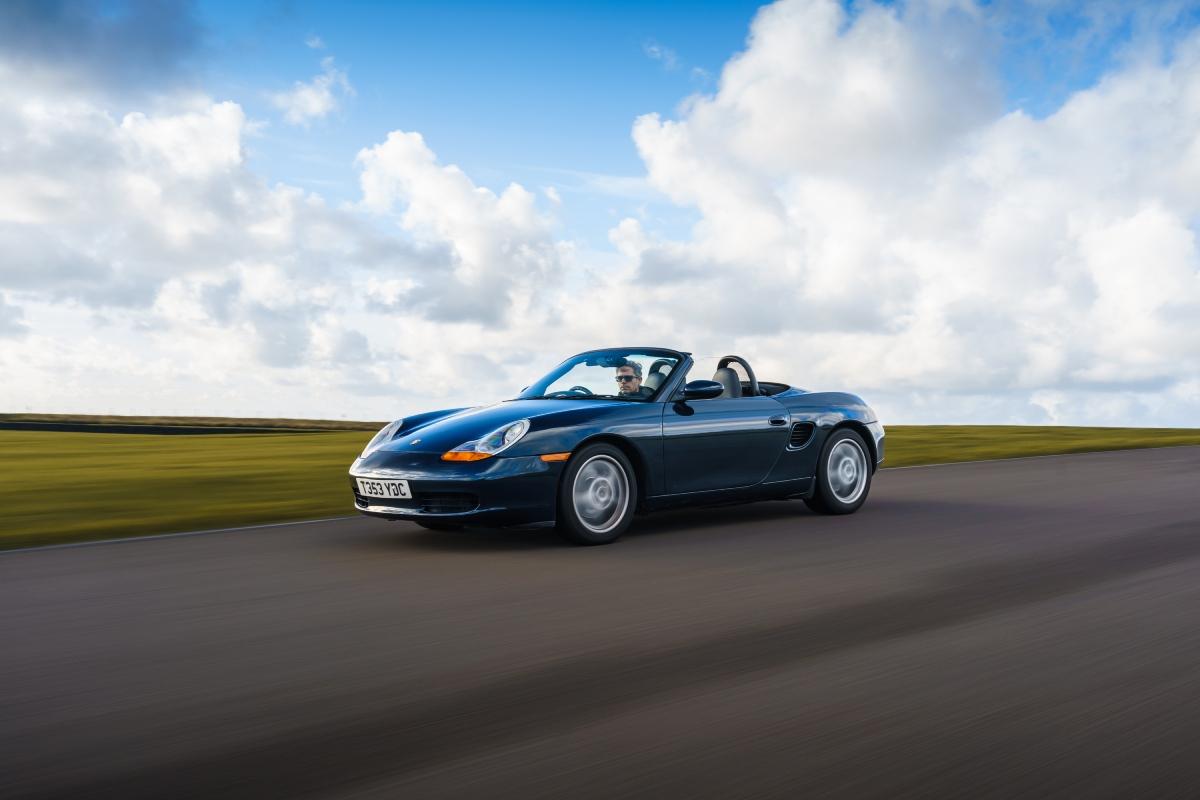
Porsche is preparing a major change of direction by adapting its next-generation 718 Boxster and Cayman to run on petrol engines, despite originally planning to make them electric-only.
Production of the current fourth-generation Boxster and Cayman ended last month. They were due to be replaced this year by all-new electric versions. However, as demand for electric cars has softened, Porsche has already confirmed it will keep selling high-performance versions of the existing models, expected to include the RS and GT4 RS.
This decision formed part of a wider “strategic realignment” at Porsche, which also involved scaling back several EV plans and taking a £6.65bn financial hit.
Now, senior sources at Porsche’s Weissach engineering centre have told Autocar that the company is going further. Engineers are working on modifying the EV-only PPE Sport platform - originally developed for the electric 718s due in 2026 - so it can also take a mid-mounted petrol engine.
The aim is to improve production efficiency and share more components across models. If approved, it would mark one of the most dramatic drivetrain reversals in Porsche’s history. Other manufacturers have taken similar steps, including Fiat with the 500 Hybrid and Mercedes-Benz with the Viano.
This shift reflects a broader rethink of Porsche’s future model plans. Cars that were previously set to go fully electric, including the Macan, are now also expected to continue with internal combustion engine options.
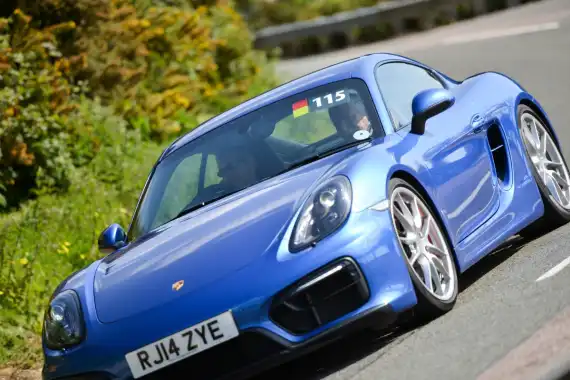
Importantly, these new petrol-powered 718s would be different from the “top” versions Porsche mentioned during its September strategy update. Those cars are expected to be continued versions of the current RS and GT4 RS models, positioned above the electric 718s launching in 2026. The newly revealed petrol models would act as a bridge until the fifth-generation 718 arrives later in the decade.
Porsche engineers say any new petrol 718 must match the driving performance of its electric counterpart. That is a tough challenge, as the electric platform delivers an ultra-low centre of gravity thanks to its battery layout.
The PPE Sport platform relies on a structural battery pack and a flat floor for rigidity. Removing the battery would weaken the car, so engineers are proposing a new structural floor section that bolts into existing mounting points to restore strength. A redesigned rear bulkhead and subframe would then support the engine and gearbox.
Packaging remains a major hurdle. The electric platform has no central tunnel and no space for a fuel tank, fuel lines or an exhaust system. Engineers say this will likely require a completely new rear structure, as the platform was never designed for a petrol engine.
Porsche had previously ruled out continuing with its naturally aspirated 4.0-litre flat-six engine under the original Euro 7 emissions rules. Those proposals would have required bulky emissions hardware. However, the final, softened Euro 7 regulations - along with the EU’s post-2035 e-fuel exemption - have reopened the business case for new petrol sports cars.
The final engine choice has not yet been confirmed. However, plans presented by outgoing Porsche CEO Oliver Blume suggest the leading option is an updated version of the 4.0-litre flat-six, first introduced in the 718 range in 2020 and capable of producing up to 493bhp in the GT4 RS.