TL;DR: British drivers are facing insurance premiums up to three times higher for new Chinese electric cars compared to European rivals, with some insurers refusing cover altogether. A lack of repair data and long waits for parts are driving costs up, with one model recently quoted at over £2,200 per year.
British motorists tempted by the attractive prices of new electric cars from emerging Chinese brands are being hit by an unexpected and costly insurance wall. The latest data reveals that premiums for some of these models are soaring to nearly triple those of established European counterparts, with some major UK insurers refusing to offer quotes at all.
As of 2026, the situation presents a significant challenge for consumers. While brands like XPeng, BYD, and Skywell are using aggressive pricing strategies to undercut the old guard, the thousands of pounds saved at the dealership are often being wiped out by crippling insurance costs. This is creating a two-tier market for electric vehicle insurance premiums.
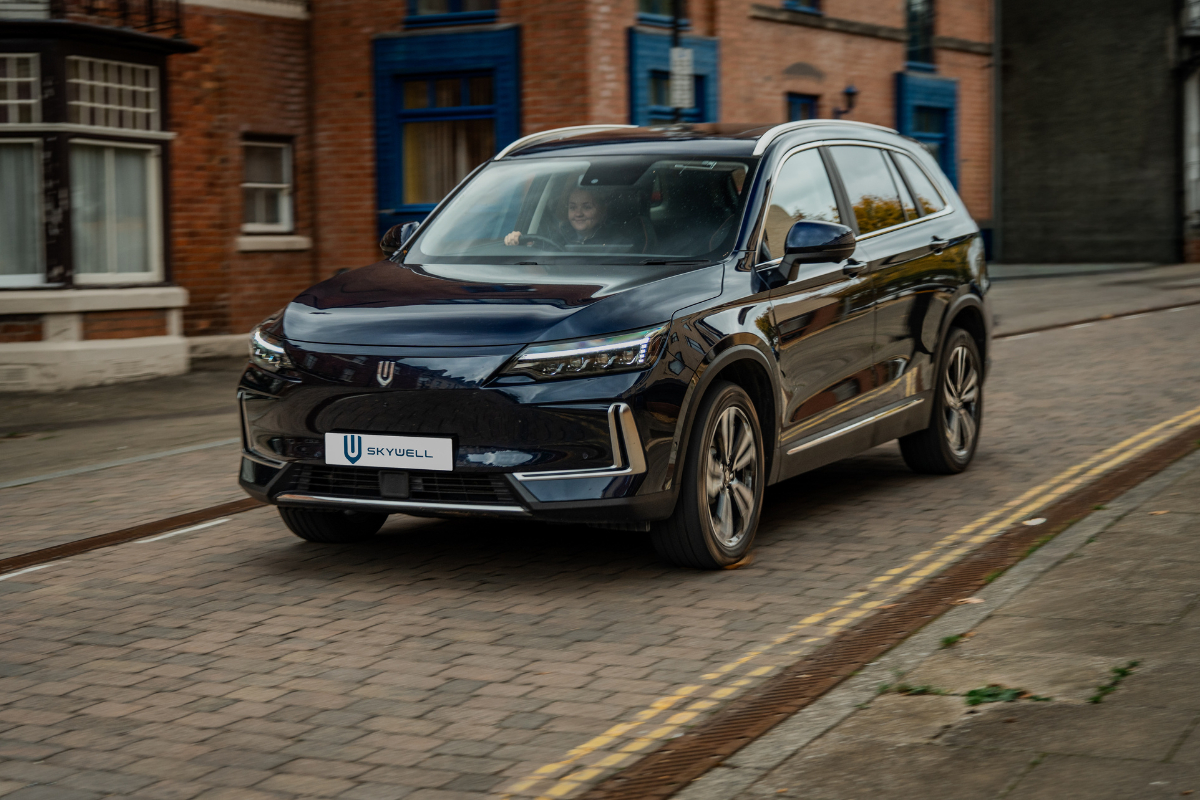
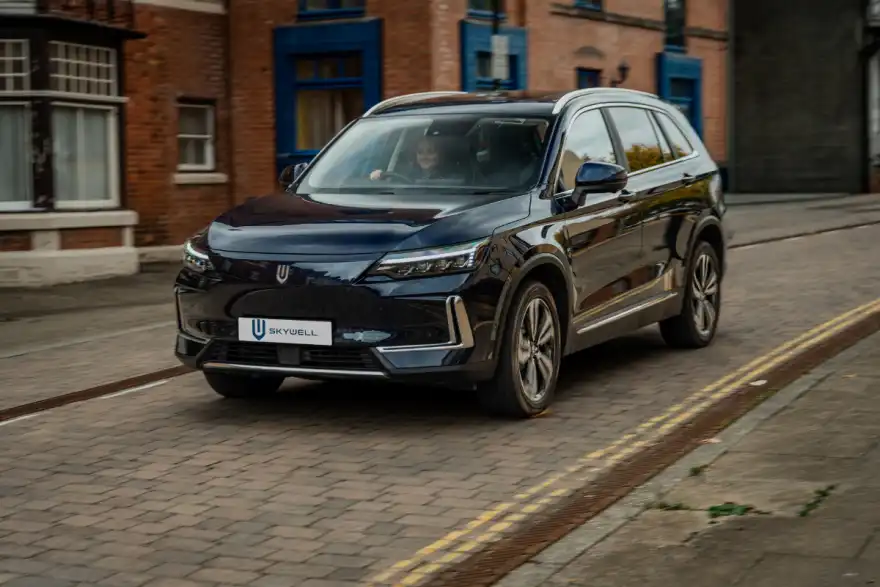
A recent market study paints a stark picture. When analysts sought quotes for the electric Skywell BE11, only a single insurer, esure, was willing to provide cover. The price was a staggering £2,203 for an annual policy. In stark contrast, the Peugeot E-3008 received competitive offers from nine out of ten major insurers, with the average premium sitting at a much more manageable £838.
It's a similar story for other models. The XPeng G6, another newcomer fighting for a foothold in the UK, costs around £1,102 per year to insure. This is significantly higher than the £827 premium for a comparable Kia EV3, a brand that is now well-established in the UK market.
But there's a twist. The problem isn't universal across all new entrants. The BYD Seal U insurance costs have proven to be an outlier. With an average quote of just £645, it demonstrates that as a brand becomes a more familiar sight on British roads, insurer confidence grows and premiums can fall dramatically. This suggests the 'newcomer tax' may eventually fade with time and exposure.
Why are insurers so cautious about Chinese car insurance?
The issue boils down to risk and a fear of the unknown. Insurers base their prices on vast amounts of historical data, something these new brands simply don't have yet. There's a lack of long-term reliability information and, crucially, uncertainty around repairs.
Industry experts point to major concerns over parts availability and the supply chain. If a simple bumper repair requires a part to be shipped from a factory in Shenzhen, it could take months to arrive. During that time, the insurer is liable for the cost of a hire car, which can quickly run into thousands of pounds, obliterating any profit from the policy.
Furthermore, there are questions about UK car repairability ratings and whether local garages have the specialised tools or technical training to work on these vehicles. This uncertainty leads to higher projected repair costs, which are passed directly onto the consumer through inflated electric vehicle insurance premiums.
We've seen this pattern before with the arrival of Japanese and Korean cars decades ago, but experts note the sheer speed and scale of this transition is unprecedented. For drivers tempted by what looks like a bargain, the advice from professionals is clear.
Before you even think about putting a deposit down, get an insurance quote. Don't rely solely on comparison websites; speak directly to brokers and investigate manufacturer-backed insurance schemes. These dedicated schemes are often significantly cheaper because the car makers provide the technical data and parts guarantees that insurers need to calculate risk accurately.
Until the supply chains mature and repair networks are fully established in the UK, doing this homework is the only way to ensure your brand-new 'bargain' doesn't become a long-term financial nightmare.