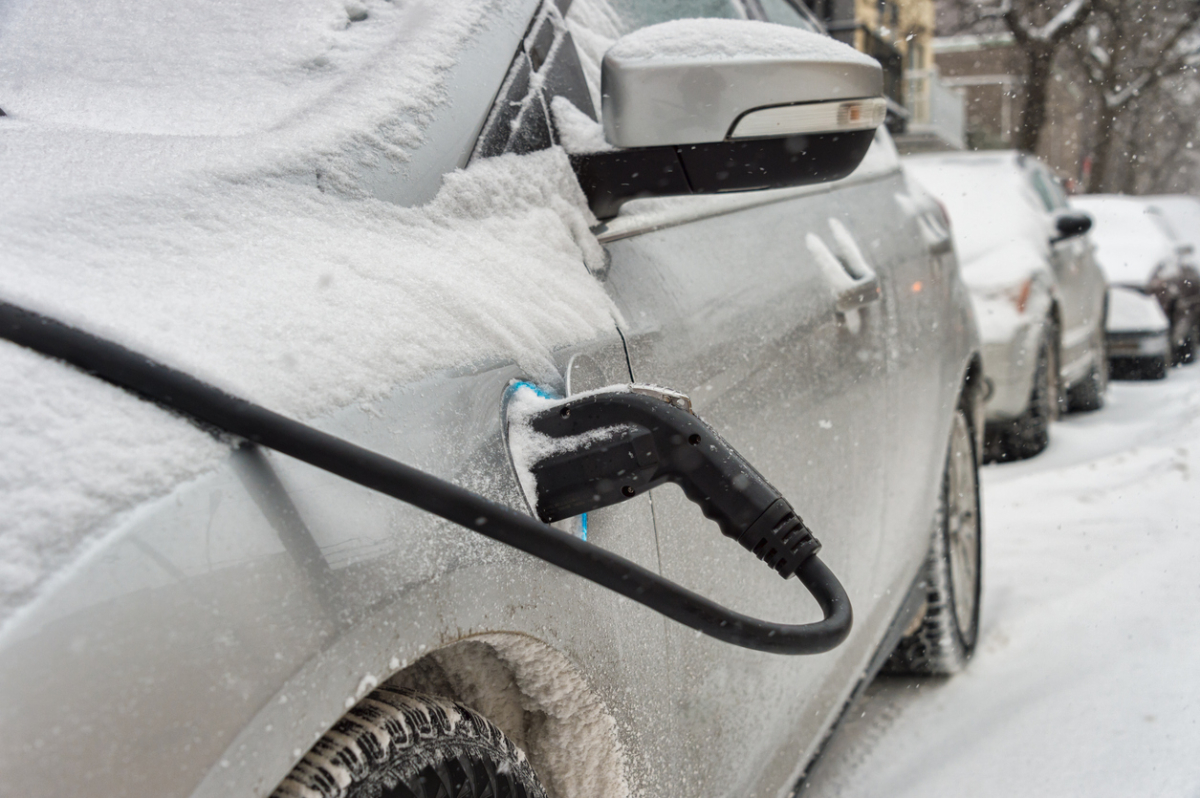
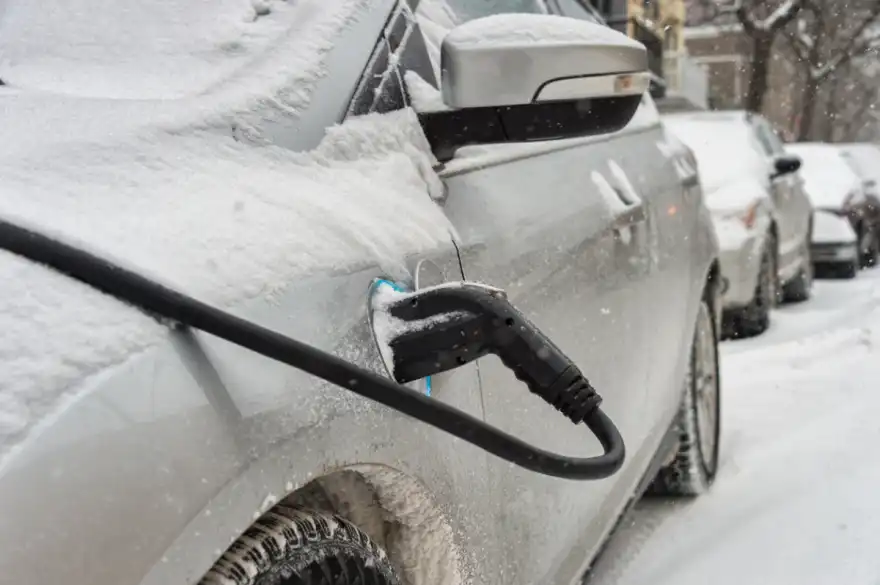
More and more UK drivers are going electric. Over 470,000 electric cars were registered in 2025, according to the Society of Motor Manufacturers and Traders (SMMT), a 23.9% jump from the year before. Fully electric (battery) cars now make up 23.4% of the market, putting the UK second only to Germany in Europe.
The government is still pushing for more people to make the switch, offering up to £3,750 off certain EV models. But concerns remain, especially about how EVs hold up in cold weather. Research from AXA shows battery health worries are still one of the biggest reasons some drivers hesitate.
So, how bad is winter really for EVs?
Cold weather and EV performance
Cold temperatures slow down the chemical reactions inside lithium-ion batteries, which makes them less efficient, according to BP Pulse. Unlike petrol or diesel cars that use waste engine heat to warm the cabin, EVs draw power from the battery for heating, which can cut into your driving range.
Modern EVs can also need to warm their battery packs before driving or charging, which uses extra energy too.
How much range do you actually lose?
Most EVs lose around 10–30% of their range when it’s colder than 5°C, reports ONEEV, while Gridserve estimates a 10–20% dip, so a car with 200 miles of range might give you closer to 160 miles on a freezing morning.
Petrol and diesel cars also become less efficient in winter (burning up to 15% more fuel), but drivers often don’t notice because of their larger tanks. EV drivers see it more clearly on the dashboard.
Charging in cold weather
You can still charge your EV in freezing temperatures, just expect it to take longer. A cold battery can’t accept a charge as fast as a warm one, so some energy initially goes into heating it up first. ONEEV recommends keeping your charge above 20%, and suggests slow charging when possible to help battery health. Aim to keep charge levels between 20% and 80%, only going to 100% for longer trips.
Tech is improving
Newer EVs are getting better at handling the cold. According to Recurrent, heat pumps, which are now being added to many models from Tesla, BMW, and Audi, can boost winter range by 8–30%. They’re much more efficient than older resistive heaters and work particularly well in the UK’s typical temperatures.
Should the cold put you off buying an EV?
Probably not. While range anxiety still affects 73% of potential EV buyers (says the AA), countries like Norway prove the technology holds up just fine in freezing weather. In 2024, nearly 89% of new cars sold in Norway were electric, and they manage much harsher winters than we do.