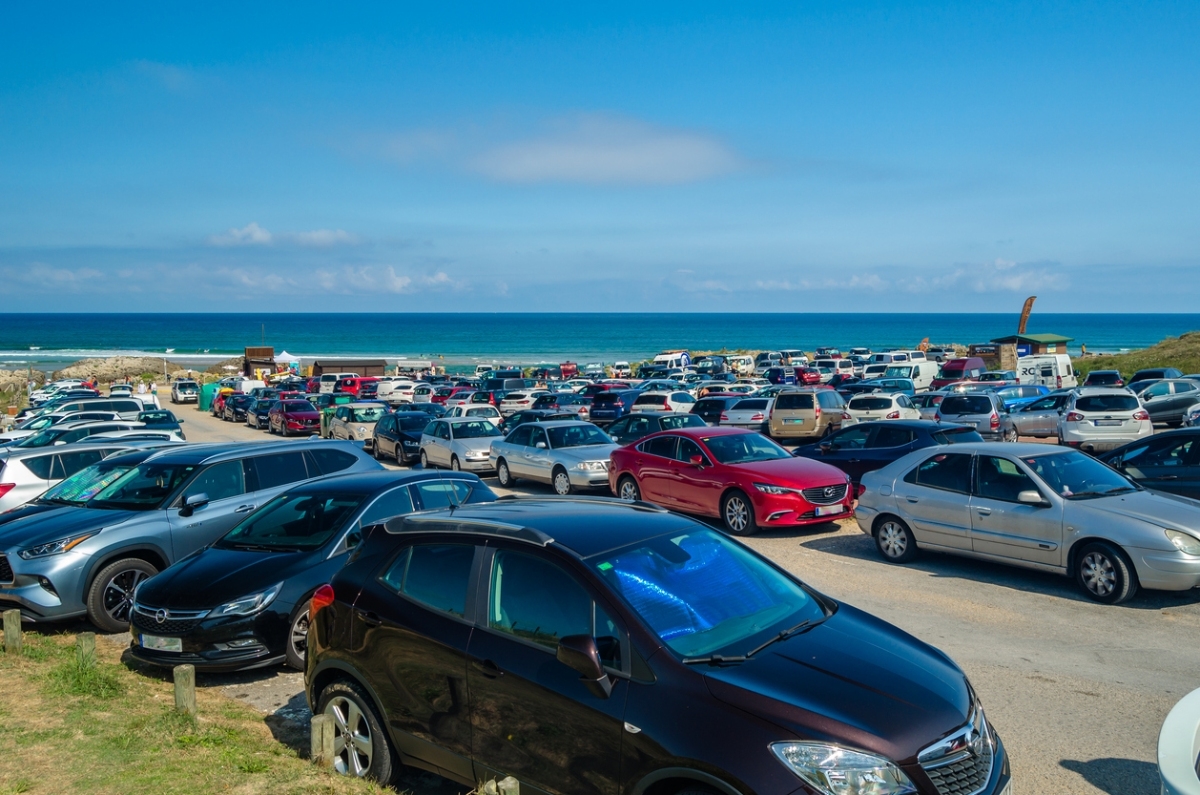
Drivers are being priced out of Britain’s seaside towns, with parking charges of up to £30 a day threatening to put families off visiting popular coastal destinations.
The AA, Britain’s biggest motoring organisation, says councils are effectively undermining efforts to make summer days out more affordable by imposing what it describes as excessive parking charges.
Its research, based on responses from 10,594 AA members, found that one in three drivers faced with a seaside parking charge of between £20 and £30 would either leave the resort immediately or decide not to return.
The warning comes as the Government prepares to introduce its Great British Summer Savings scheme, which is intended to make days out more affordable for families.
From 1 September 2026, VAT will be temporarily cut during the summer period as part of measures designed to reduce the cost of days out and increase visitor numbers. The scheme also includes cheaper children's meals in restaurants, reduced-price cinema and theatre tickets, and discounts at a range of attractions.
But the AA says high parking charges could discourage visitors from spending money in coastal towns in the first place.
Seaside parking charges reach £30
Some of Britain's most popular coastal destinations now charge £20 to £30 for several hours of parking.
Rother District Council, for example, charges £30 for more than six hours at Camber Sands from 1 April 2026.
In Kent, Herne Bay charges £2.70 an hour, up to a maximum of £20, while Whitstable charges £3.80 an hour, with an upper limit of £30.
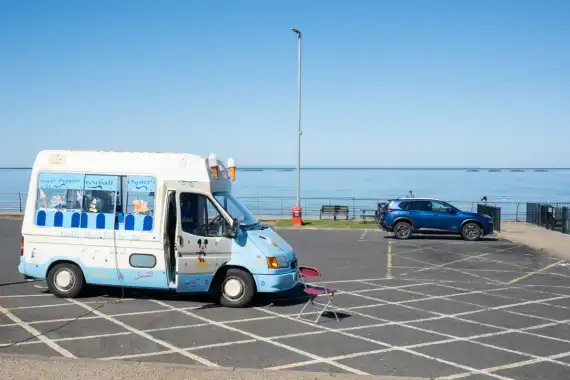
Brighton's Black Rock and King Alfred car parks charge £18, while East Devon's seaside car parks can cost £2.20 an hour.
Southend-on-Sea also charges up to £3 an hour for beachfront parking, depending on the zone.
Elsewhere, the costs are lower. Clacton charges between £5 and £8 for more than six hours, while parking at Blackpool South Beach costs £9 and at Central Pier costs £12.40 for eight hours.
Westward Ho! in North Devon charges £13 for all-day parking, while motorists visiting Whitby can pay £13.10 to park at Pavilion Top car park.
By contrast, many coastal car parks in Wales, Scotland and Northern Ireland remain free.
Aberdeenshire operates a voluntary parking charge, allowing visitors to contribute towards the facilities they use.
Higher summer fines also being introduced
Parking charges are not the only concern.
Some councils are introducing higher penalties during the busiest summer months in an attempt to tackle illegal and inconsiderate parking.
Bournemouth, for example, has introduced fines of between £110 and £160 during August, compared with its usual £50 to £70 penalties.
The higher fines are intended to deter drivers from parking on verges, double yellow lines, residential parking areas and roundabouts.
However, the AA says Bournemouth Council went too far last year by applying the higher penalties to some minor offences committed by motorists who had actually parked in official car parks.
These included parking outside a marked bay, overstaying a paid-for period or failing to display a ticket correctly.
The organisation accepts that stronger enforcement is necessary in some areas where poor parking causes congestion and inconvenience. But it argues that excessive parking charges can contribute to the problem.
Only 1 per cent of drivers surveyed said they would consider illegal parking as an alternative to paying an expensive parking charge.
Instead, many said they would simply find somewhere else to park or avoid the resort altogether.
Jack Cousens, the AA's head of roads policy, said: “Summer visitors and the money they bring to coastal resorts are often the lifeblood of tourism and commercial vibrancy in these places.
“However, some councils use parking charges to leech excessive payments from day-trippers and holidaymakers in the hope of filling the black holes in their finances.
“AA research shows they simply drive visitors away.”
He added that parking charges approaching or exceeding the reduced amount of a parking penalty could encourage drivers to look elsewhere.
Most drivers do not check parking costs before visiting
Despite the potential cost, only around a quarter of drivers check parking prices before travelling to the beach, according to the AA.
A further 12 per cent assume parking charges will be similar to those in their local area.
Seven per cent say they have previously been caught out by expensive seaside parking and now always check prices before travelling.
The AA recommends checking parking charges in advance and considering alternative beaches or resorts if prices are particularly high.
Choosing a different destination could save families money while still allowing them to enjoy a day at the coast.
For example, all-day parking at Hayling Island costs £11.50. At Portsmouth's Southsea, six to eight hours costs £9.60.
By comparison, parking at West Wittering in Sussex costs £14.60 on weekdays when booked without a pre-booking discount. The price rises to £16.25 at weekends and on bank holidays.
With parking costs varying significantly between nearby coastal destinations, checking prices before setting off could make a meaningful difference to the overall cost of a family day out.
For councils, however, the issue is more complicated. They need to tackle dangerous and inconsiderate parking without making legitimate visitors feel that they are being penalised simply for bringing their cars to the seaside.
The AA's research suggests that if parking becomes too expensive, many drivers will not risk a fine or park illegally. They will simply take their money elsewhere.