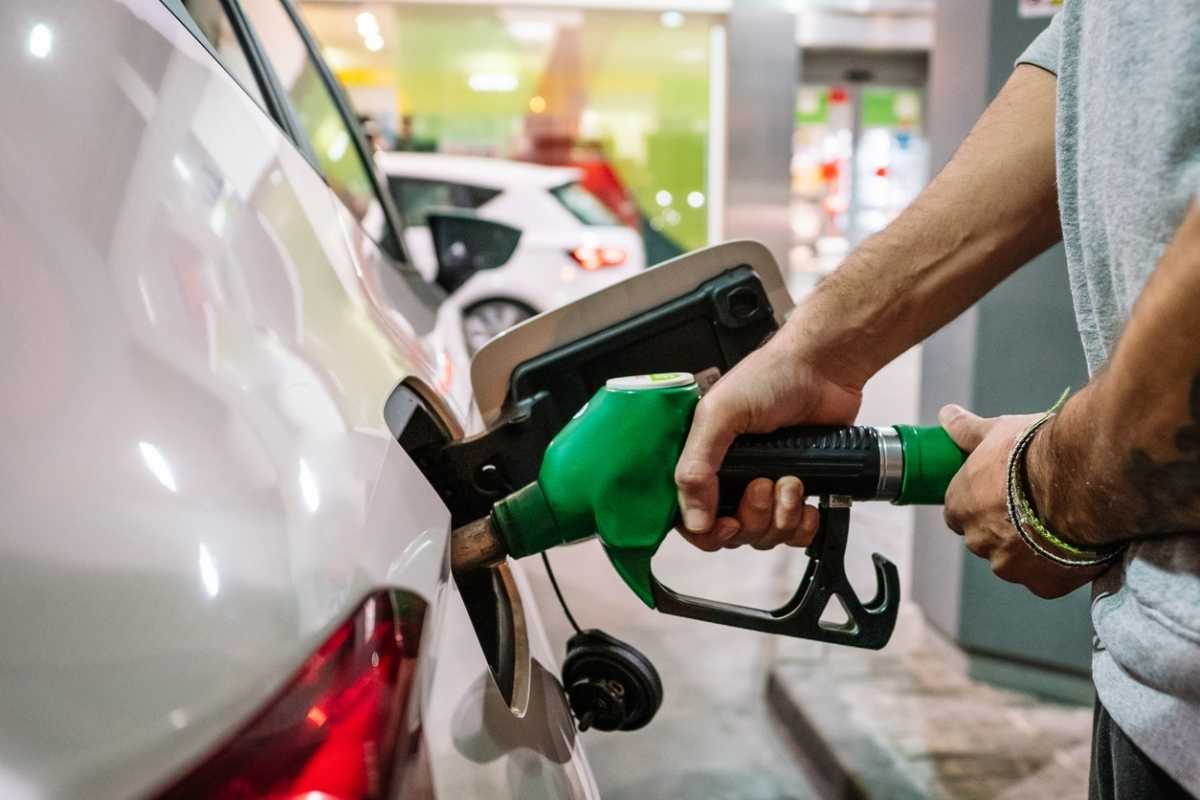
The Government has reaffirmed its commitment to ending the sale of new petrol and diesel cars by 2030, despite considering changes to the targets designed to accelerate the UK's transition to electric vehicles.
Labour has described its commitment to the 2030 phase-out as "unwavering" as it launches a consultation on the UK's Zero Emission Vehicle (ZEV) mandate.
The consultation considers whether some of the country's existing electric vehicle targets should be relaxed to protect British businesses and support the automotive industry during the transition.
One of the main proposals concerns the current target requiring 80 per cent of new car sales to be electric by 2030. The Government is considering retaining the 80 per cent target or reducing it to as little as 50 per cent.
Despite this review, the Government says it remains committed to ending the sale of new cars that rely entirely on internal combustion engines by the end of the decade.
Government insists 2030 deadline remains
The consultation document states that the Government is "unwavering" in its commitment to phasing out the sale of new petrol and diesel cars by 2030.
From 2035, all new cars and vans are expected to be zero-emission.
The Department for Transport said maintaining clarity around the 2030 deadline is "critical" to consumer confidence and long-term investment in the automotive industry.
The Government's consultation is intended to gather views on how the UK can successfully complete the transition away from new petrol and diesel vehicles.
It will also consider whether the existing annual targets imposed on vehicle manufacturers remain appropriate. A further review of the ZEV mandate is planned for 2027.
Concerns over weaker EV targets
The potential reduction in the 2030 electric vehicle sales target has prompted concern from environmental campaigners.
Anna Krajinska, T&E UK's director, warned that cutting the target could leave the UK behind other countries in the global electric vehicle market.
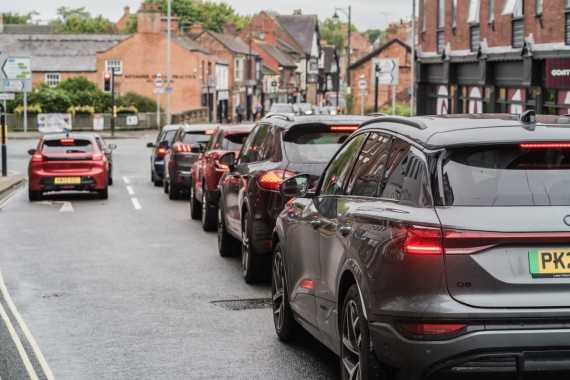
She also claimed that a weaker target could result in around three million fewer electric vehicles on UK roads, while leaving motorists dependent on petrol and diesel for longer.
This could expose drivers to continued uncertainty over fuel costs, particularly given the volatility of petrol and diesel prices.
Automotive industry calls for a practical transition
The automotive industry has welcomed the review, arguing that the ZEV mandate was introduced under very different market conditions.
Mike Hawes, chief executive of the Society of Motor Manufacturers and Traders (SMMT), said the industry remained fully committed to a zero-emission future and was investing billions in new technology, vehicles and incentives.
However, he said the review provided an opportunity to ensure the transition was commercially sustainable and supported British competitiveness, investment and jobs.
He also stressed the importance of maintaining consumer choice and affordability as the UK moves towards zero-emission vehicles.
The consultation opened on August 14, 2026, and will remain open until October 23, 2026.
For now, the key message from the Government is clear: the proposed changes to electric vehicle targets do not mean the 2030 ban on the sale of new petrol and diesel cars is being abandoned.