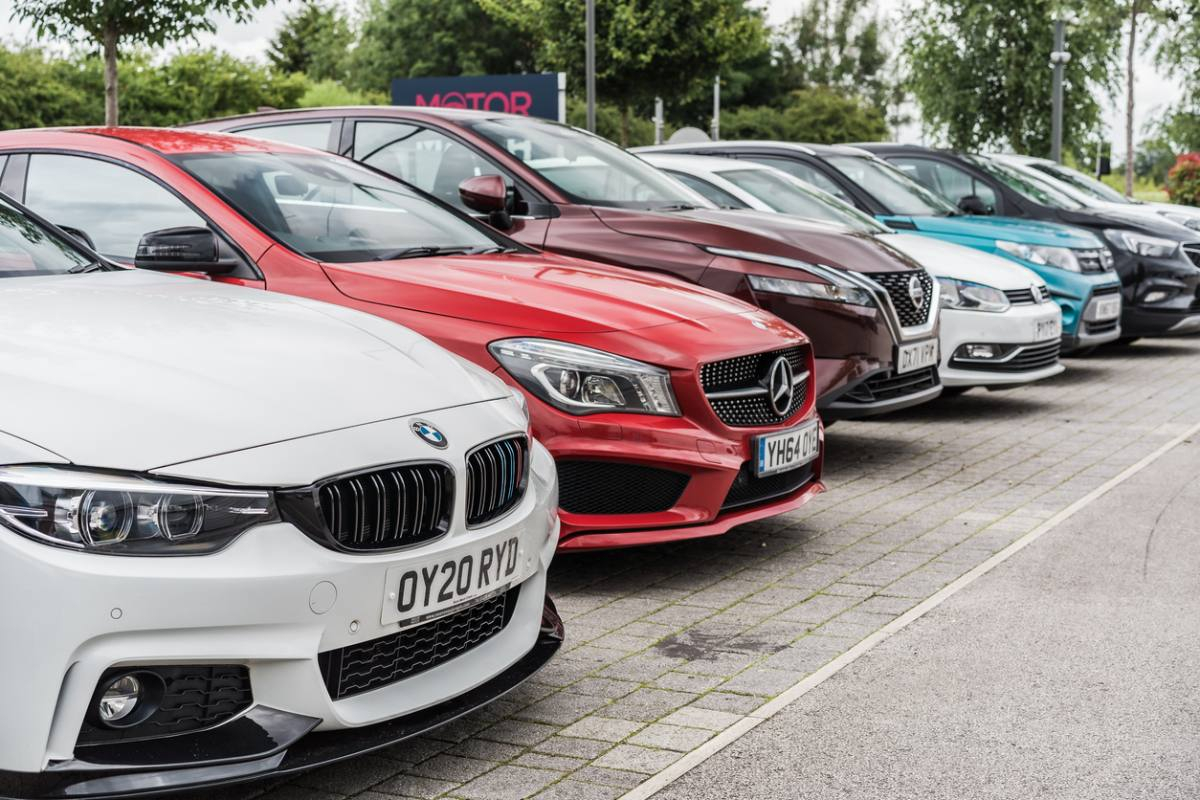
TL;DR UK buyers care more about quality than where a car is built. Just 14% of petrol/diesel buyers and 17% of EV buyers prioritise UK-made vehicles. Chinese brands are booming, making up 13.5% of all new UK cars and 28% of EVs. Affordability, tech, and reliability now drive choices more than origin.
Do you care where your car was built? For most UK buyers, the answer is no.
A recent survey by What Car? asked 1,000 people currently shopping for a new vehicle how important a “Built in Britain” label is. The results show that a car’s country of origin is low on the list of priorities.
Only 14% of buyers looking at new petrol or diesel models said it was important that the car was made in the UK. Among those considering electric vehicles (EVs) or plug-in hybrids, the figure was slightly higher at 17%.
What matters most? Quality. Four in five respondents said how well a car is built is their top concern.
Chinese brands on the rise
The findings come as more Chinese brands enter the UK market. New arrivals such as Aion and Lepas are offering lower-cost alternatives to established European manufacturers.
Sales figures reflect this shift. According to the Society of Motor Manufacturers and Traders (SMMT), almost 200,000 Chinese cars were sold in Britain last year - nearly double the previous year’s total. Forecasts suggest that by 2030, Chinese brands could account for one in five new car registrations.
Much of this growth is being driven by EVs. In 2025, nearly one in eight new electric cars sold in the UK carried a Chinese badge.
Established names are also gaining ground. MG, now owned by China’s SAIC, sold around 85,000 cars in the UK in 2025. Meanwhile, BYD - which recently overtook Tesla globally in EV sales - increased its UK registrations from fewer than 9,000 cars in 2024 to more than 51,000 in 2025.

However, insurance premiums for some Chinese models are currently higher. Insurers cite concerns about parts supply and repair networks, given how new many of these brands are to the UK market.
Government incentives favour UK and European production
While few buyers say they actively seek British-built cars, financial incentives do exist.
The UK Government’s Electric Car Grant offers discounts of between £1,500 and £3,750 on new EVs costing under £37,000, provided they meet certain sustainability criteria. These rules exclude many Chinese-made models.
Some vehicles do qualify. For example, the latest Nissan Leaf - built in Sunderland - is eligible. Renault EVs using batteries produced in France also meet the criteria.
Even so, when asked whether stronger incentives would encourage them to choose British-built vehicles, only 14% of EV buyers and 9% of petrol and diesel buyers said it would influence their decision.
UK car production under pressure
Car manufacturing remains economically significant. The automotive sector contributes around £25 billion a year to the UK economy and supports more than one million jobs.
But output has fallen sharply in recent years. In 2025, just 764,715 vehicles were built in Britain - the lowest total in over 70 years, and roughly half the volume produced in 2015.
Closures such as Honda’s Swindon plant and the Luton van factory have reduced capacity. According to the SMMT, 2025 has been one of the toughest years in a generation for UK vehicle production, due to structural industry changes, trade barriers and cyber disruption affecting major manufacturers.
There are signs of recovery. Production of the new Nissan Leaf has begun in Sunderland, and Jaguar Land Rover is preparing its Solihull factory for a new generation of electric models, including an electric Range Rover.
The Government has pledged £4 billion of capital investment into the sector by 2035. This includes £1.5 billion to support factory electrification and funding for battery and EV component manufacturing. Ministers also aim to cut industrial electricity costs to improve competitiveness.
Are British-built cars reliable?
The survey suggests buyers prioritise durability over origin. That puts pressure on UK manufacturers to maintain high-quality standards.
Today’s British-built cars are far more reliable than those produced during the troubled 1970s era. The previous-generation Nissan Leaf, built in Sunderland, achieved a 96.5% reliability rating in the latest What Car? survey, ranking among the top-performing EVs.
Mini also scores strongly for dependability. However, some electric Mini models are now produced in China through partnerships aimed at reducing manufacturing costs.
For Jaguar Land Rover, reliability remains mixed. Land Rover currently ranks toward the lower end of What Car?’s reliability tables, although some recent models have shown improvement.
China’s wider influence on the UK market
It’s not just Chinese brands expanding their presence. Many European manufacturers now build cars in China to take advantage of lower production costs and established supply chains.
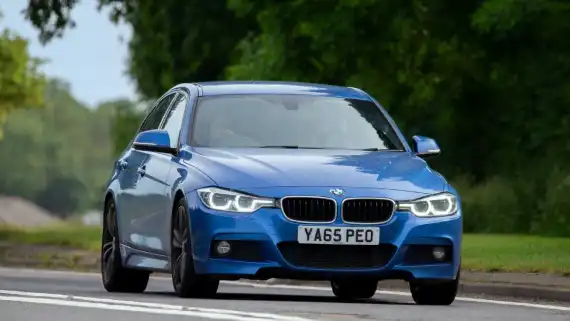
Models from brands including BMW, Volvo, Citroën, Dacia and Tesla are manufactured there. As a result, 13.5% of all new passenger cars sold in Britain last year were built in China - more than 270,000 vehicles.
The impact is even greater in the EV sector. Of the 473,348 electric cars registered in the UK in 2025, nearly 28% were produced in China.
What this means for buyers
The data is clear: British drivers care far more about quality, technology and price than about where a car is assembled.
With Chinese manufacturers offering competitive pricing, strong technology and long warranties, their market share is likely to grow further.
For UK manufacturers, the challenge is not simply to promote “Built in Britain”, but to ensure their vehicles compete on reliability, innovation and value - the factors buyers consistently say matter most.