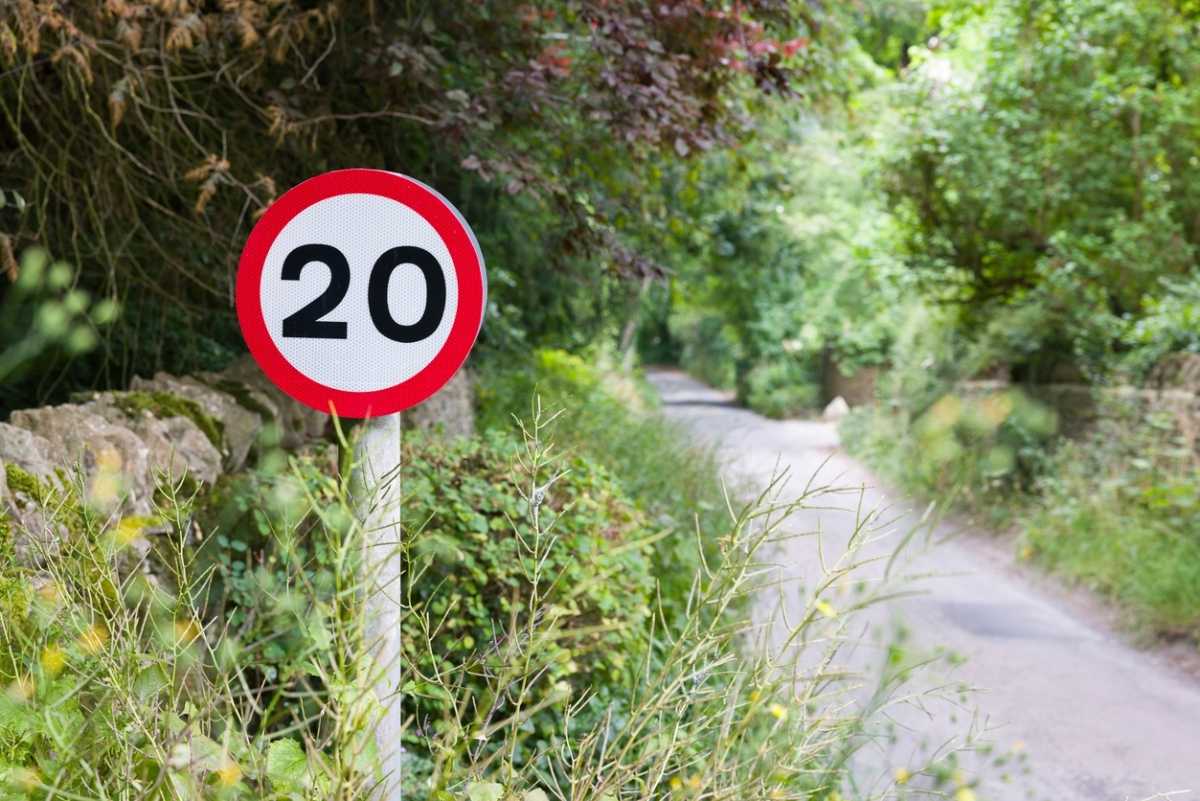
Scotland’s 20mph speed-limit rollout has come under fresh fire after figures revealed more injury-causing crashes happened on 20mph roads last year than on roads with 40mph, 50mph or 70mph limits.
The Scottish Government is spending more than £10 million introducing 20mph limits across thousands of roads, arguing that lower speeds will make urban areas safer.
However, figures obtained by the Scottish Conservatives show 570 collisions resulting in injuries on 20mph roads last year – the highest figure recorded in five years.
That compares with:
- 254 injury collisions on 40mph roads
- 165 on 50mph roads
- 268 on 70mph dual carriageways
The figures have been seized on by the Scottish Conservatives, who argue that councils should have greater freedom to decide where lower speed limits are appropriate.
Scottish Conservative transport spokesman Tim Eagle described the figures as “damning” and accused SNP ministers of taking a one-size-fits-all approach to speed restrictions.
He argued that councils should be able to introduce targeted limits in areas where they are most needed, such as outside schools, rather than applying 20mph restrictions across large parts of Scotland.
Eagle also criticised the Scottish Government’s wider approach to motorists, claiming that investment should instead focus on improving major roads, including plans to dual the A96.
Government defends 20mph limits
The Scottish Government has rejected the criticism, pointing to research showing that lower speeds can significantly reduce the risk of serious injury to pedestrians.
Transport Scotland said someone hit by a car travelling at 20mph is around seven times more likely to survive than someone hit at 30mph.
A spokesman said the Scottish Government is investing £41 million in road safety during the current financial year, adding that reducing speeds on busy streets is an important part of efforts to reduce serious incidents.
The Government also says lower speed limits can make local areas more pleasant places to live and work.
What do the figures actually tell us?
While the headline figures show more injury collisions on 20mph roads, they do not by themselves prove that 20mph limits cause more crashes.
There are thousands of miles of roads operating at 20mph, many of them in busy urban areas where there are more pedestrians, cyclists, junctions and vehicles.
That means the number of collisions needs to be considered alongside factors such as the number of roads, traffic levels and how far vehicles travel on each type of road.
The figures nevertheless add fuel to the debate over whether blanket 20mph restrictions are the best approach to road safety.
The Scottish Government previously considered reducing the national speed limit on single-carriageway roads from 60mph to 50mph, but dropped the proposal last year.