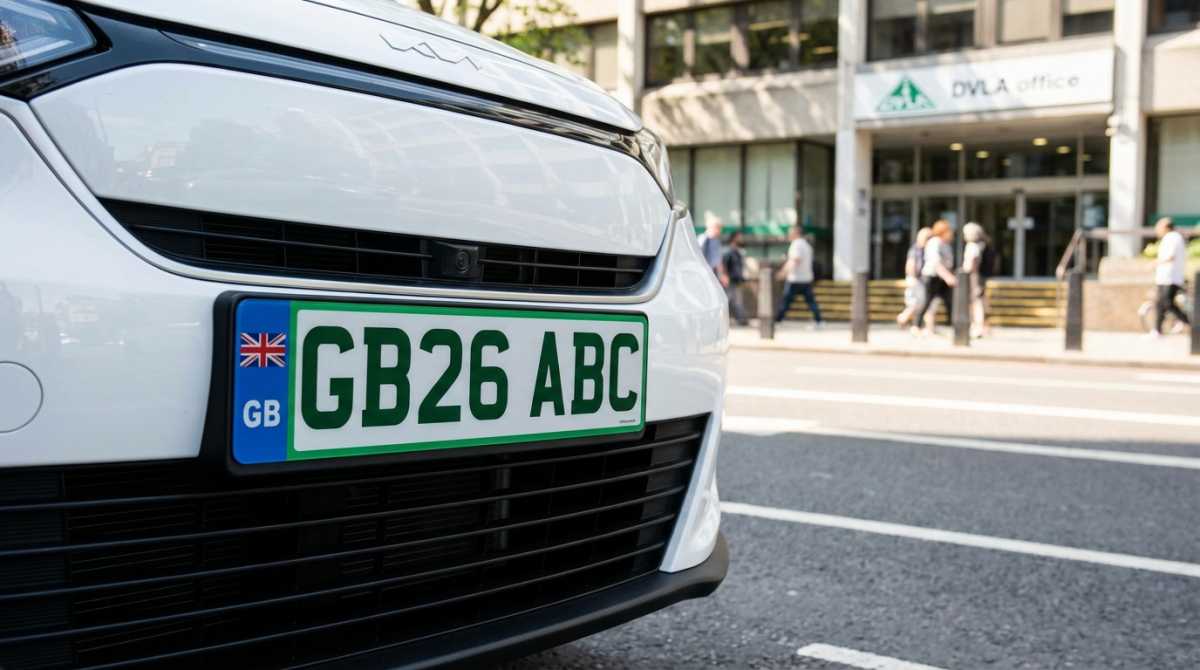
TL;DR: The UK will introduce the 26 registration plate on 1 March 2026, marking the first of two annual plate changes. This identifier applies to new vehicles registered until 31 August 2026, followed by the 76 plate in September. The current system uses the year for March releases and adds 50 for September releases. Fully electric vehicles may also feature a green flash on the plate, though this remains an optional aesthetic choice rather than a legal requirement.
The 26 registration plate is set to land on 1 March 2026, marking the first big shake-up for new UK vehicles of the year. It acts as a clear age tag for any car registered through the end of August, right before the 76 plate takes the reins. Keeping an eye on this cycle isn't just for geeks, it helps you track what a car is actually worth and keeps you on the right side of DVLA rules.
The Basics at a Glance
- The 26 registration plate is for new cars hitting the road between 1 March 2026 and 31 August 2026.
- March releases use the year itself (26), while September arrivals add 50 to the total (76).
- Driving an EV? You can sport a green flash on the left, though it’s totally optional.
- Don't try to be clever - using a plate that makes a car look newer than it really is will get you in hot water with the DVLA.
- Dodgy spacing or the wrong font can lead to a £1,000 fine and an instant MOT fail.
Why the 26 Registration Plate Matters This Spring
The British automotive calendar is about to hit one of its biggest milestones. Every six months, our roads get a fresh batch of identifiers. Honestly, it’s a predictable rhythm we’ve lived with since 1999. Right now, cars registered from September 2025 carry the 75 plate, but once the clock strikes midnight on 1 March, that flips to the 26 designation.
This cycle is a massive driver for the industry. It often happens right alongside other shifts, such as the UK road tax increases in April 2026. Dealerships absolutely love this time of year. They usually roll out their best finance deals and incentives to celebrate the 26 registration plate launch. But here is the thing - is it actually worth the hype? For many, that feeling of having the latest reg on the driveway is worth every penny.
Cracking the Code
We've used the current format for over two decades now. It’s a lot simpler than the old letter system, isn't it? The logic is straightforward: March cars use the year (26), and September cars add 50 (76). This pattern is set in stone until 2029. When we hit 2030, the whole thing resets.
A standard plate has three distinct parts. You’ve got the local memory tag, the age identifier, and three random letters at the end. All of this must be in the official Charles Wright font. No italics, no weird spacing - just clean, legal lines.
Green Flashes and Personalised Picks
What’s with those green strips on the side? If you’ve bought a fully electric vehicle lately, you’ve likely seen them. They're a visual badge of honour for zero-emission driving. While they don't grant you a 'get out of jail free' card for the London ULEZ just yet, some councils use them to offer cheaper parking. Just don't stick one on a diesel - that’s a one-way ticket to a fine.
Then there’s the world of private plates. It’s big business in the UK, but there's a golden rule: you can't make a car look younger. You can put an old plate on a brand-new 26 registration plate car, but never the other way around. Every year, the DVLA censors scrub the list for anything offensive. They've already binned the 'rude' 26 combinations to save us all from embarrassment.
Whether you're waiting for a shiny new Toyota or hunting for a used bargain, this plate change is a pivot point for the whole market. It keeps things moving and ensures we always know exactly what we’re looking at on the motorway.