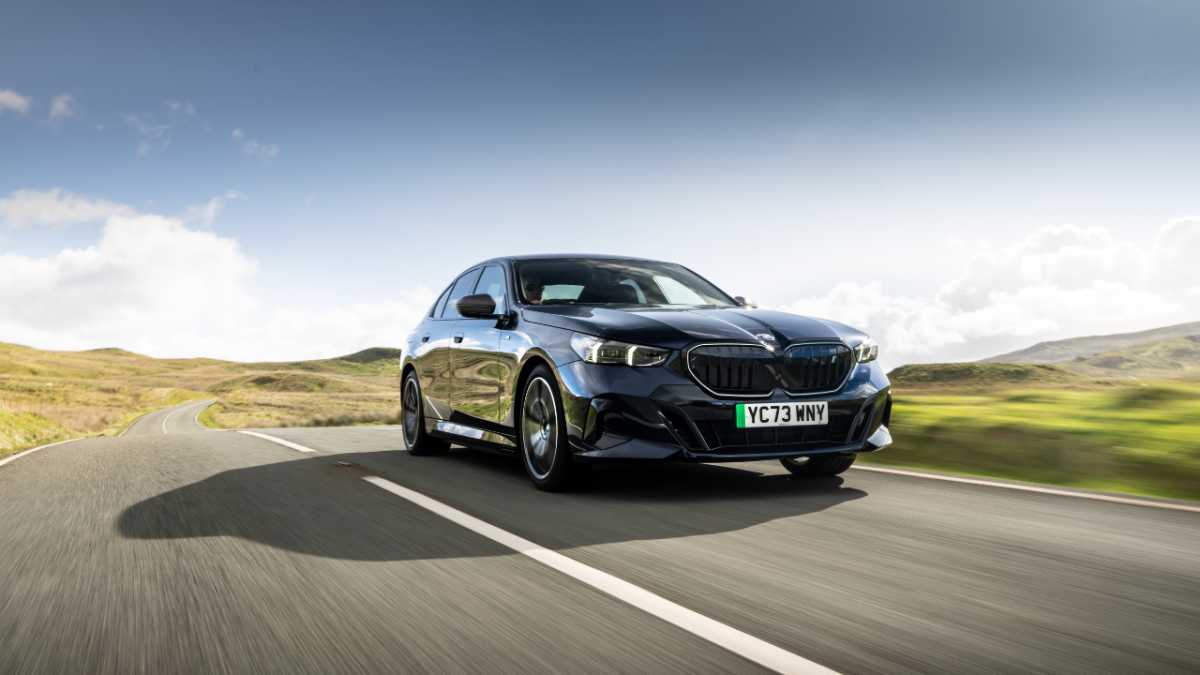
From 1 April 2026, the UK government will introduce new car tax (VED) rates including a massive £5,690 showroom tax on new petrol and diesel cars emitting over 255g/km of CO₂. This sharp increase aims to accelerate the switch to electric vehicles (EVs), which will only face a token £10 first-year charge.
Key Facts
- £5,690: New first-year car tax for vehicles emitting more than 255g/km of CO₂, registered after 1 April 2026.
- 1 April 2026: The official date the new Vehicle Excise Duty (VED) rates begin across the UK.
- 45 models: Estimated number of new cars on sale that fall into the highest-emission tax bracket.
- £10: First-year VED for zero-emission electric cars, compared with thousands for petrol and diesel models.
The 2026 UK car tax shake-up
If you’re planning to buy a new petrol or diesel car, brace yourself – your first-year car tax could more than double in 2026. The latest update from the Treasury confirms that from 1 April 2026, the highest-polluting models will face a staggering £5,690 first-year “showroom tax”.
This is a huge step up from the current £2,605 top rate, representing one of the government’s boldest moves yet to push drivers toward cleaner, electric alternatives. For many buyers, especially those considering large SUVs or performance cars, this will dramatically change the cost of ownership.
How the new CO₂-based VED works
The revised car tax system introduces steep CO₂-based bands, with the top tier hitting any new car that emits over 255g/km of CO₂. If your new car falls into that bracket and is registered after 1 April 2026, expect to pay £5,690 in VED for the first year.
For comparison, the current top band is £2,605, meaning buyers of high-emission cars will see their tax bill more than double. Meanwhile, electric vehicles will pay just £10 in the same period, a clear message from the government about where the UK’s road policy is heading.
Which cars fall into the high-emission trap?
It’s not just supercars getting stung by this new rate. Around 45 mainstream models currently on sale in the UK will be affected, or roughly 5% of the new car market.
All 45 new cars that will cost £5,690 to tax this year
- Alfa Romeo Stelvio (1)
- Aston Martin DB12 (2)
- Aston Martin DBX (1)
- Aston Martin Vanquish (2)
- Aston Martin Vantage (4)
- Audi RS6 Avant (5)
- Audi RS Q8 (6)
- Audi SQ8 (3)
- Bentley Bentayga (30)
- BMW 5 Series (2)
- BMW X5 (2)
- BMW X6 (3)
- BMW X7 (4)
- Chevrolet Corvette (8)
- Ferrari Purosangue (1**)
- Ford Mustang (6)
- Ineos Grenadier (8)
- Jeep Wrangler (1)
- Lamborghini Huracan Evo (6)
- Lamborghini Revuelto (1)
- Lamborghini Temerario (2)
- Land Rover Defender (40)
- Land Rover Range Rover (9)
- Land Rover Range Rover Sport (6)
- Lotus Emira (7)
- Maserati MC20/MCPura (6)
- McLaren 750S (2)
- McLaren GT (1)
- Mercedes AMG GT (11)
- Mercedes AMG PureSpeed (1)
- Mercedes G-Class (5)
- Mercedes GLE (3)
- Mercedes GLS (5)
- Mercedes S-Class (4)
- Mercedes SL (3)
- Porsche 718 Cayman (1)
- Porsche 718 Spyder (1)
- Porsche 911 (8)
- Porsche Cayenne (12*)
- Porsche Macan (2*)
- Porsche Panamera (2)
- Rolls-Royce Cullinan (4)
- Rolls-Royce Ghost (12)
- Rolls-Royce Phantom (8)
- Toyota Land Cruiser (3)
Source: Solera Cap Hpi
Brackets show number of derivatives per model that are in the highest first-year VED tax band
*Derivatives exceed 255g/km C02 when bigger wheels are added as an optional extra
**Examples effectively sold out for 2026-27 fiscal year
That list includes the Ford Mustang (V8, 275g/km CO₂), Ineos Grenadier, certain Land Rover Defender trims, and even Toyota Land Cruiser models. Shockingly, this means some seemingly “normal” large petrol 4x4s will now carry taxes worth over 10% of their purchase price.
What it means for your next purchase
For anyone buying a petrol or diesel car after April 2026, it’s crucial to check the vehicle’s CO₂ output before buying. Even seemingly small upgrades, like larger alloy wheels or optional extras, can bump emissions just enough to push a model into a higher tax band.
For example, buying a Jeep Wrangler could mean paying thousands in tax, while a new Tesla comes in at just £10 for the first year. Financially, that makes the EV option hard to ignore.
The new UK car tax rates for 2026 mark the end of cheap road tax for powerful petrol and diesel cars. If you’re in the market for a new vehicle, pay close attention to those CO₂ figures – they'll soon have a direct and substantial impact on your wallet.
With the government’s clear push toward zero-emission vehicles, going electric is not just about the environment anymore; it’s quickly becoming the most cost-effective choice on British roads.