TL;DR: Sussex Police’s new AI cameras caught over 700 offences in just one week, including mobile phone use and seatbelt violations. The data highlights ongoing dangerous driving habits, with authorities focusing on changing behaviour, not just issuing fines.
Key Facts
- 620 drivers not wearing seatbelts in one week
- 110 drivers caught using phones
- AI cameras use infrared tech for 24/7 detection
- Images without offences are deleted instantly
- Offences linked to hundreds of injury collisions in recent years
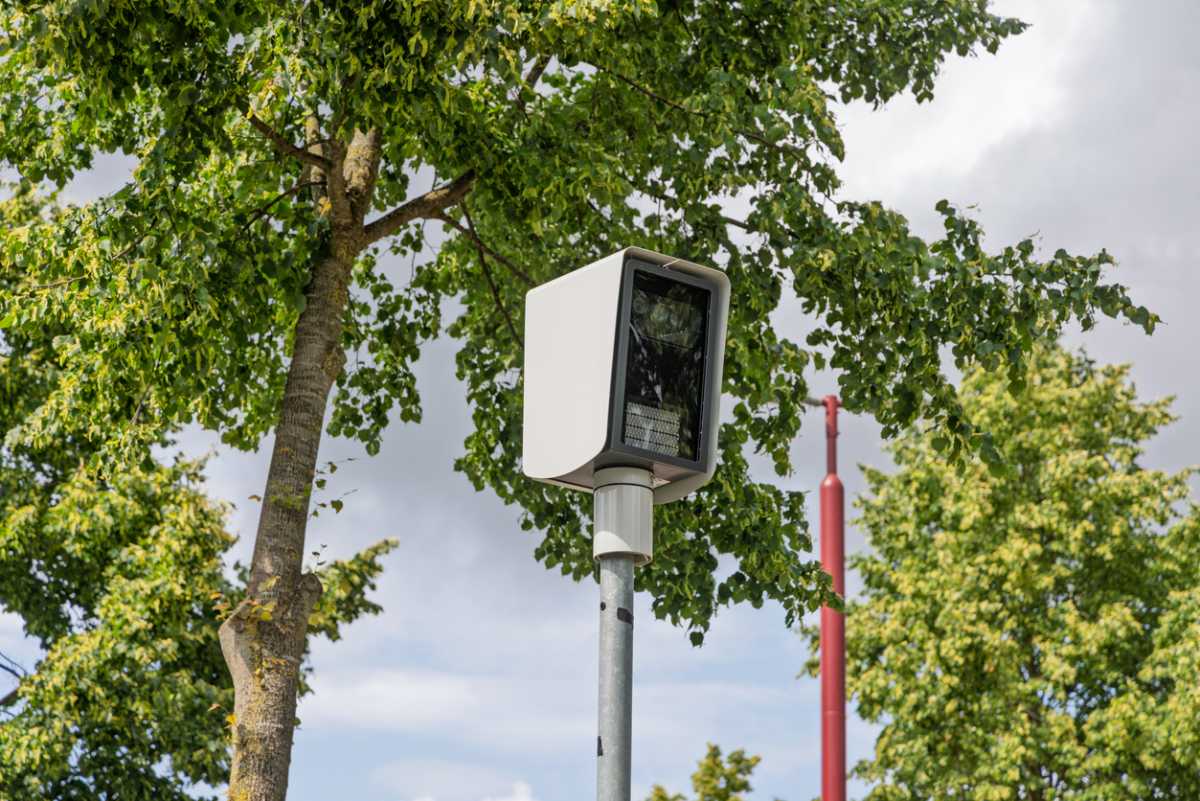
Sussex Police has introduced new AI-powered cameras to crack down on dangerous driving and the first week alone has revealed some worrying habits behind the wheel.
A week that raised eyebrows
In just seven days, the system picked up a surprisingly high number of offences, showing that risky driving is still far too common on Sussex roads.
- 620 drivers caught not wearing a seatbelt
- 110 drivers using a mobile phone
- 17 drivers doing both at the same time
- 1 driver not properly controlling the steering wheel
These figures aren’t just numbers; they reflect behaviours that continue to put lives at risk every day.
The bigger picture
This isn’t a one-off issue. Over the past three years:
- Mobile phone use has contributed to 82 injury collisions
- Not wearing a seatbelt has been linked to 214 injury incidents
Both fall under the “fatal five”, the most dangerous driving behaviours responsible for serious injuries and deaths across UK roads.
Chief Constable Jo Shiner didn’t hold back on the findings:
“We have embraced the use of modern technology not only to show that we listen to concerns raised by communities across Sussex, but also to help reduce the number of people killed and seriously injured on our roads through irresponsible driver behaviour.
"We know from a previous trial in 2024 that seatbelt and mobile phone offences are rife on our roads, and I’m hugely disappointed by these latest statistics.
"While the vast majority of people are safe and competent road users, there is still a large number of motorists who continue to take risks, and that is not acceptable."
How the AI cameras work
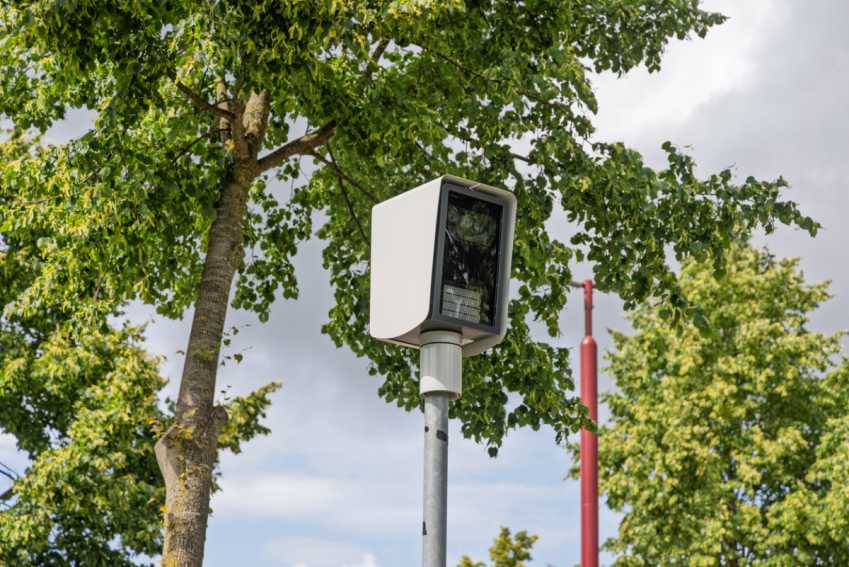
These aren’t your average speed cameras. The new system uses high-definition imaging and infrared technology, meaning it can clearly detect offences through windscreens, day or night, rain or shine.
Privacy is still a priority:
- Images without offences are deleted instantly
- Flagged images are anonymised and cropped
- Human officers review all potential violations
So while the tech is advanced, real people still make the final call.
A surprising seatbelt trend
One of the most concerning discoveries? Drivers wearing seatbelts incorrectly.
Many are placing the belt under their arm instead of across their body, something that offers virtually no protection in a crash.
Road Safety Manager Mark Baker explained that enforcement is only part of the goal:
“The data we have captured so far is just a tiny sample of driver behaviour across Sussex.
"This suggests there is likely to be a number of habitual no seatbelt wearers who may never have been involved in a serious collision and may not think the law applies to them. But why take the risk?
“Our aim is not only to target offenders but also to change driver behaviour in the first place. In an ideal world, we don’t want to record any offences; we want everyone to play their part in keeping all road users safe.”
What happens if you’re caught?
The penalties are serious and can escalate quickly.
- Mobile phone use: £200 fine + 6 points (which could lead to a ban)
- Seatbelt offences: Possible fine or educational course
The message is clear: these aren’t minor mistakes; they carry real consequences.