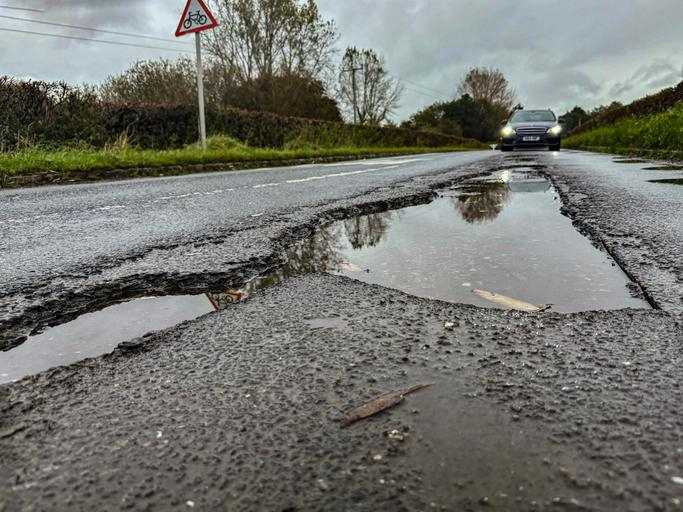
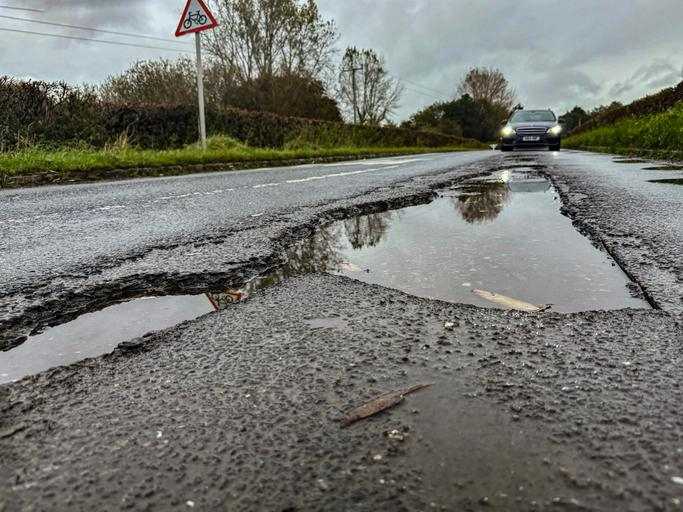
A growing backlog that funding isn’t fixing
The UK’s pothole problem has reached a point where increased funding is no longer translating into better roads. For 2025/26, councils have been allocated an additional £1.6 billion for highway maintenance, with a further £7.3 billion committed over the next four years. Despite this, national road conditions continue to decline in many areas.
The issue sits in how money is being used. A large proportion of budgets is being consumed by repeat repairs rather than preventative resurfacing. Only a small number of councils consistently invest in long-term maintenance strategies. The majority still operate reactively, fixing damage after it appears instead of preventing it in the first place.
That approach is expensive. It locks councils into a cycle of repeated interventions on the same roads, driving up long-term costs while delivering limited improvement to road quality.
Why repairs keep failing
Potholes form when water enters cracks in the road surface and weakens the layers beneath. With traffic pressure and continued weather exposure, the surface breaks apart. The UK’s wet climate accelerates this process, particularly where drainage is poor or ageing roads have not been resurfaced in time.
Repair methods are a key part of the problem. Across much of the UK, contractors continue to use rapid patching techniques that prioritise speed over durability. In many cases, crews finishing larger resurfacing jobs use leftover hot tarmac to fill potholes quickly before it cools. These repairs are often carried out under time pressure, without waiting for fully dry or properly prepared surfaces.
That detail matters. When material is laid in damp conditions or without correct compaction, it fails early. The result is predictable: potholes reopen, sometimes within weeks, and the same locations require repeated attention.
More durable methods - full-depth repairs and planned resurfacing, are widely recognised as more effective. They require more time, road closures, and higher upfront cost, but significantly reduce repeat failures. Despite this, they remain underused.
Poor value for money and rising costs for drivers
The financial impact is mounting. Billions are spent each year on local road maintenance, yet a significant portion of that spend goes toward fixing the same defects multiple times. This is not efficient maintenance, it is repeated spending on failure.
Contracting structures contribute to the issue. Many councils outsource maintenance work, but contracts are often based on volume of repairs rather than long-term road condition. This encourages fast completion over lasting quality. Oversight varies widely between authorities, and performance standards are not consistently enforced.
For drivers, the outcome is increasingly visible. Breakdown services have reported rising numbers of pothole-related callouts, particularly involving tyre, wheel, and suspension damage. Insurance claims linked to road defects have also increased sharply, especially during periods of heavy rainfall when potholes are harder to see and more likely to worsen.
The government has increased funding and is pushing councils to adopt longer-term maintenance strategies, but enforcement remains limited. There is no consistent requirement to prioritise preventative resurfacing, and no universal standard for repair durability.
Critics argue that without tighter controls on how funding is spent, and stronger accountability for contractors, the system will continue to recycle the same failures. Calls have been made for repair warranties that force contractors to fix failed potholes at their own cost, alongside stricter national standards for road maintenance quality.
Until those changes are made, the pattern remains unchanged: roads deteriorate, temporary repairs are applied, those repairs fail, and the cycle repeats, at growing cost to both councils and drivers.