Drivers of petrol and hybrid cars can finally relax as new data shows the wave of catalytic converter thefts that peaked just a few years ago has almost disappeared.
In 2021, more than 7,000 vehicles had their catalytic converters stolen by criminals looking to cash in on the precious metals inside them. Thieves often struck in broad daylight, targeting cars on driveways, roadsides and in public car parks, leaving owners with thousands of pounds in repair costs and in many cases written-off vehicles.
However, reported cases have dramatically declined. Auto Express says catalytic converter theft “may soon be a thing of the past,” after the number of incidents fell to around 150 last year. This represents a 98 per cent reduction compared with the peak in 2021.
Following a Freedom of Information request to 48 UK police forces, Auto Express found that among the 30 forces that responded, thefts had dropped from 6,909 cases in 2021 to just 150 in 2024. In South Yorkshire, for example, there were 850 thefts in 2021, compared with only five last year.
Criminals originally targeted catalytic converters because they contain valuable metals such as palladium, rhodium and platinum. Palladium prices more than doubled between 2019 and 2021 and briefly became more expensive than gold in early 2022. Rhodium followed a similar price spike, and platinum is currently at a 10-year high.

Hybrid cars were especially vulnerable due to their higher precious metal content. According to insurer Admiral, models such as the Honda Jazz, Toyota Prius, Toyota Auris and Lexus RX were among the most frequently targeted.
Assistant Chief Constable Sarah Grahame of the National Police Chiefs’ Council said the drop in thefts was the result of coordinated efforts with partner agencies, including the introduction of a database to track stolen converters. Manufacturers, including Toyota, also began forensically marking parts to identify and dismantle organised criminal groups.
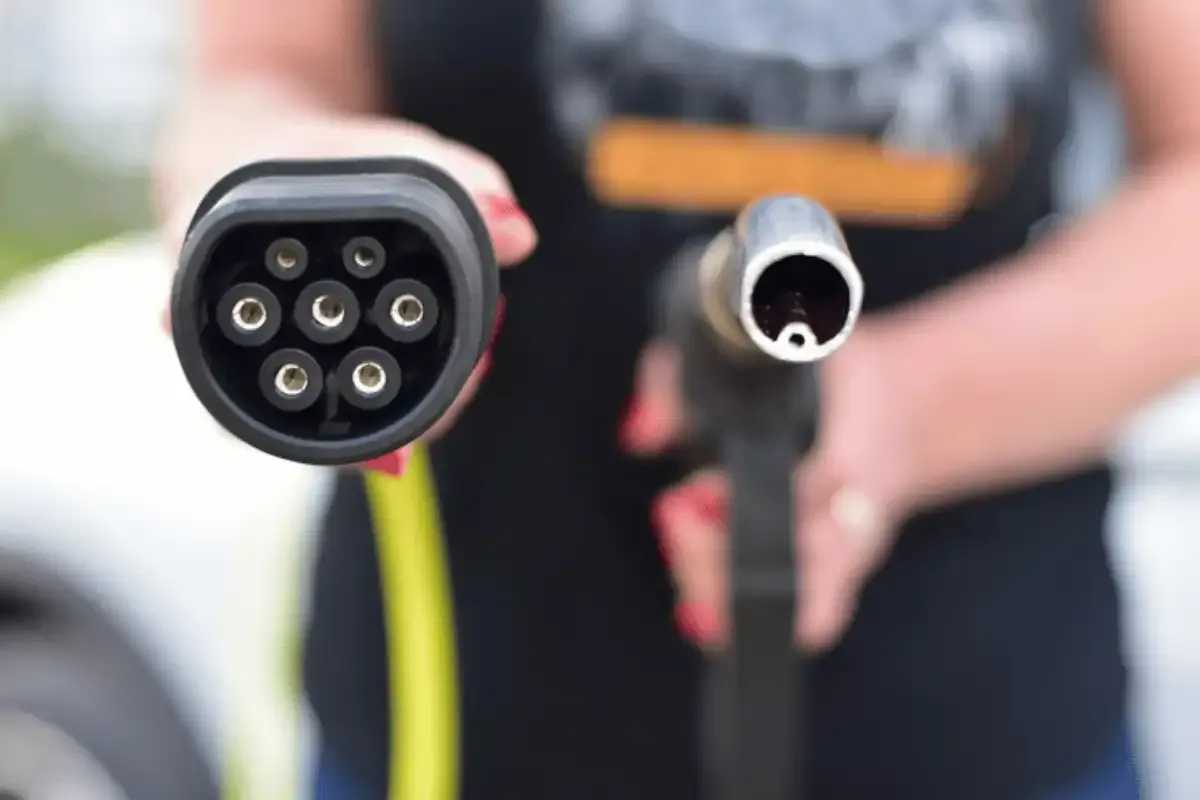
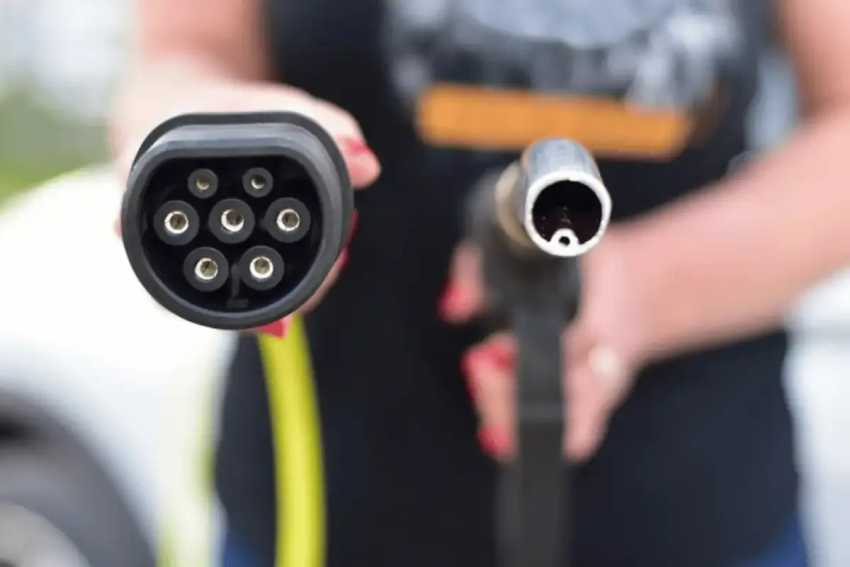
Thieves now targeting EV charging cables
Part of the decline may also be explained by thieves switching to a new target. Electric vehicle charging cables have become increasingly attractive due to the value of copper, which has risen by 3.7 per cent between September and October amid global supply constraints, including production losses at Indonesia’s Grasberg mine.
More than 200 attacks on EV chargers have been reported across the UK, although charging operator Allego UK warns this is likely to be only a portion of the true number, as many incidents go unreported and some police forces do not log specific cable theft records.
InstaVolt, one of the UK’s leading public charging providers, says it has responded by introducing additional protection. CEO Delvin Lane said the company now uses CableGuard, a forensically traceable sheath around charging cables, as well as upgraded 24-hour CCTV and real-time GPS tracking to deter organised crime and safeguard infrastructure.