TL;DR: UK drivers face surprisingly high insurance premiums for new Chinese electric cars, with recent data showing average costs are £255 more than petrol equivalents. Insurers are rejecting as many as 50% of quote requests, citing a lack of repair data and concerns over spare parts availability for brands like BYD and Jaecoo.
Key Facts
- £901 is the current average cost for insuring Chinese electric cars UK wide, significantly higher than the £646 average for a comparable petrol car.
- 50% of all recent insurance quote requests for new Chinese EV models have been rejected by UK providers.
- £1,100+ is the potential annual insurance premium for models like the Jaecoo 7, nearly double the £577 cost for a petrol Skoda Karoq.
- Aviva has confirmed it is offering cover across all new Chinese EV brands, while other major insurers like Axa remain hesitant.
British drivers tempted by the attractive prices of new Chinese electric cars are being met with an unexpected financial hurdle: sky-high insurance costs and outright rejections for cover. The latest data reveals a stark reality where insuring Chinese electric cars in the UK is proving to be a significant challenge for many.
The numbers paint a clear picture. Recent research into UK car insurance price comparison shows that the average premium for a Chinese-made EV now stands at a hefty £901 per year. This is a staggering £255 more than the £646 average for an equivalent petrol-powered vehicle, a premium some are calling a 'newcomer tax'.
Why are Chinese EV insurance costs so high?
The core issue for insurers boils down to one thing: data, or rather, a lack of it. Insurance companies rely heavily on decades of historical information to calculate risk. For them, new market entrants like BYD, XPeng, or Jaecoo are an unknown quantity. Without extensive electric vehicle repair data to analyse, insurers become cautious. This uncertainty is then passed directly onto the driver in the form of higher premiums.
Jaecoo 7 vs Skoda Karoq: A £500+ insurance price gap
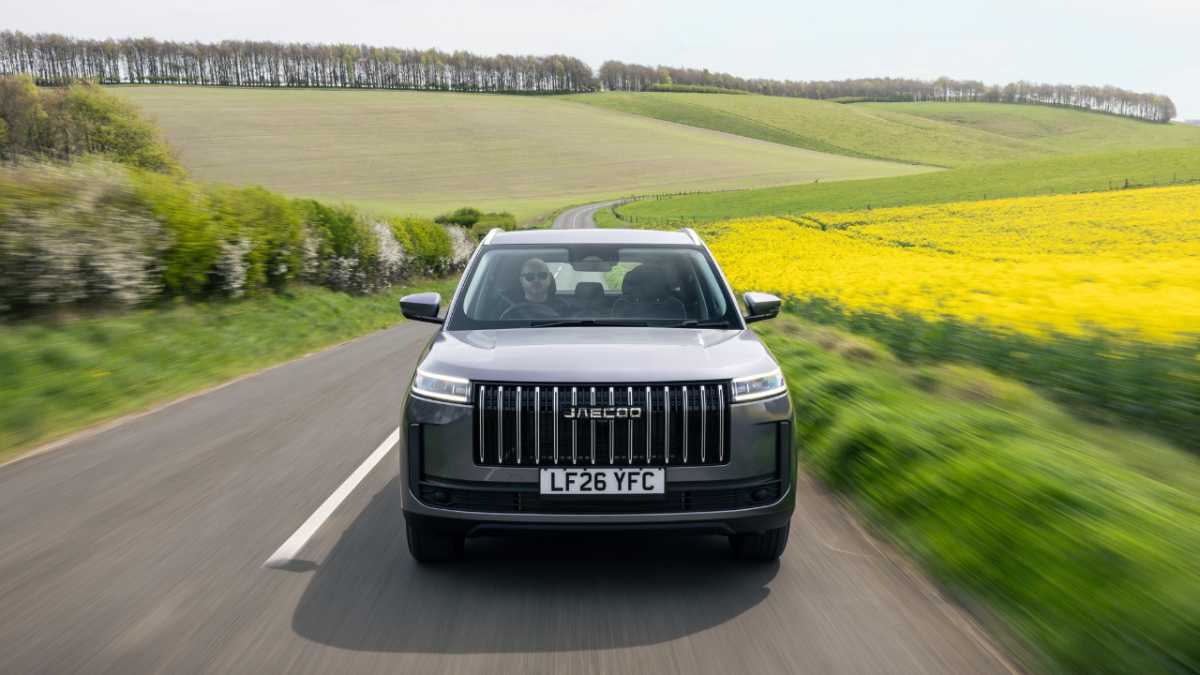
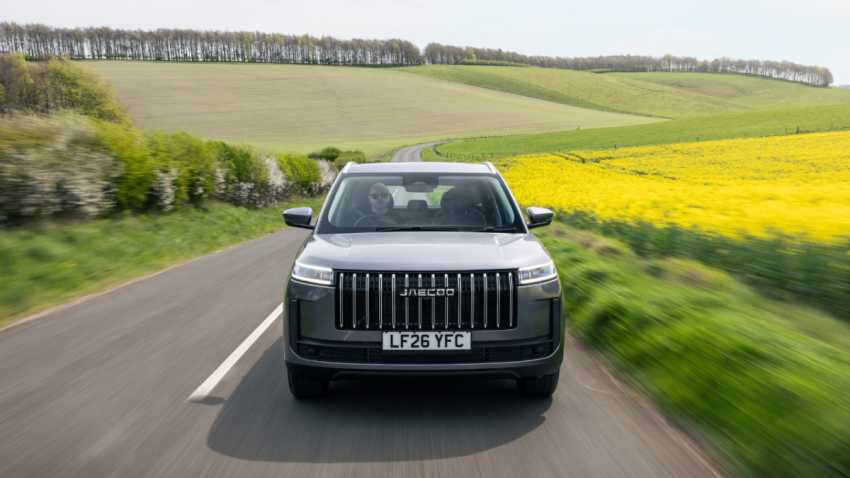
The price difference can be even more dramatic for specific models. Take the new Jaecoo 7, a vehicle some have nicknamed the 'Temu Range Rover' for its high-spec, low-cost appeal. Reports show that securing insurance for this model can cost upwards of £1,100 annually.
When compared to a well-established petrol rival like the Skoda Karoq, which can be insured for a much more manageable £577, the difference is stark. This highlights the financial penalty drivers currently face for choosing a new, unproven brand over a familiar one. It's a frustrating situation for drivers, but one that reflects the current risk assessment within the insurance industry.
What this means for UK drivers seeking cover
Unfortunately, it isn't just about the high price. A recent industry survey has revealed that finding cover at all is a major struggle, with a shocking 50% of all quote requests for these new models being flat-out rejected by insurers. What this means for drivers is that Jaecoo 7 insurance availability, for instance, is far from guaranteed.
While some providers are stepping up – Aviva has been noted for offering cover across the board for new Chinese EV brands – other big names in the industry, such as Axa, have reportedly been hesitant to cover the newest market entrants for now.
The primary concerns holding them back are the logistics of spare parts and the lack of established repair networks. If you damage a Ford, a replacement part is likely stocked in a UK-based warehouse. For a newer brand like Skywell, that part might need to be shipped from the other side of the world, leading to delays that insurers are unwilling to underwrite.
Will Chinese car insurance prices come down?
The good news for drivers is that this situation is unlikely to last forever. This pattern has been seen before in the UK market. When brands like Kia and Hyundai first arrived on British shores, they were met with similar scepticism from both drivers and the insurance industry.
As these Chinese brands establish dedicated UK parts distribution centres, build out their approved repairer networks, and as more of their vehicles appear on UK roads, the necessary data will accumulate. This will give insurers the confidence they need to lower premiums. BYD insurance premiums UK-wide, for example, are expected to stabilise as their presence grows.
For now, the best advice for any driver considering a new Chinese EV is simple: do your homework before you commit. Always get an insurance quote and check the designated insurance group before falling in love with the car. It's far better to understand the full cost of ownership upfront than to receive a nasty shock after you've already signed on the dotted line.