TL;DR:
Uber is launching a pilot programme for driverless minicabs in London, partnering with UK-based AI firm Wayve, with rides priced identically to standard UberX services. A human safety driver will be present during this initial phase, overseen by the Department for Transport under the new Autonomous Vehicles Act 2024.
Key Facts:
1. Uber is partnering with UK AI firm Wayve for its London driverless minicab pilot.
2. Rides will be priced the same as a standard UberX, with no additional cost for autonomous service.
3. Wayve's technology uses six cameras and radar, avoiding expensive Lidar sensors.
4. A human safety driver will remain in the vehicle during the initial pilot phase for safety oversight.
5. The pilot operates under the new Autonomous Vehicles Act 2024, with potential for global expansion to cities like Tokyo.
Uber's Driverless Taxis Are Coming to London
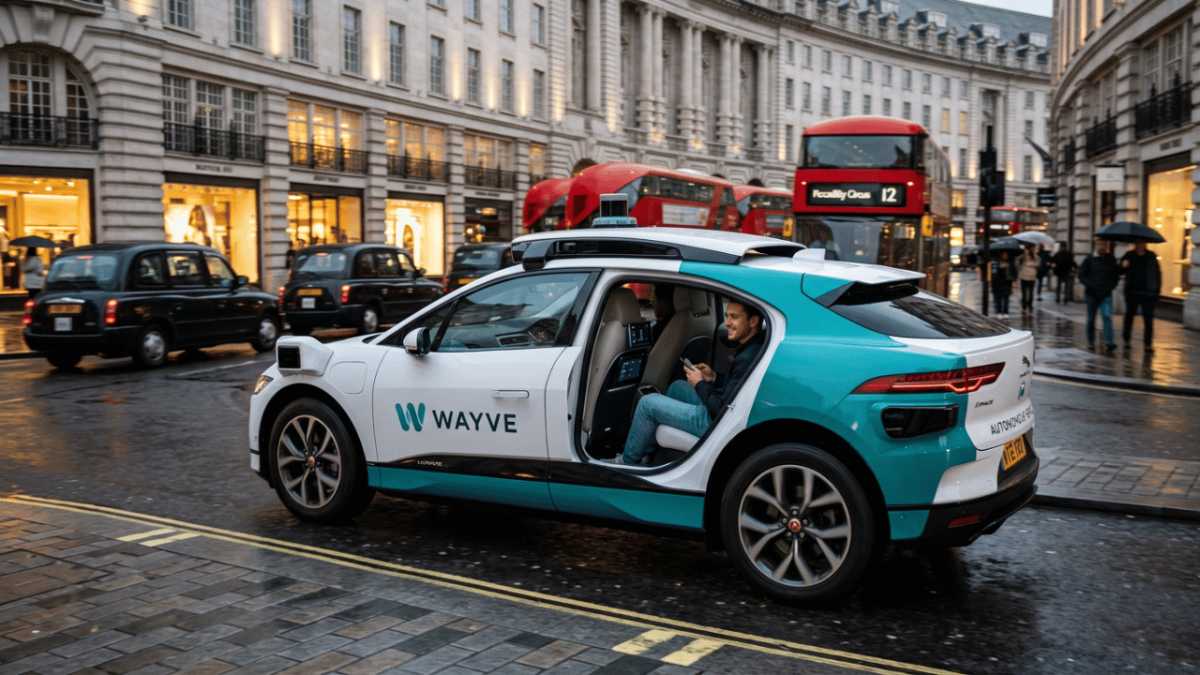
Driverless minicabs are set to hit London streets as Uber rolls out a new autonomous vehicle pilot programme. The ride-hailing giant has teamed up with British artificial intelligence specialist Wayve to introduce self-driving cars, marking a significant step for autonomous transport in the UK capital. This initiative aims to integrate driverless technology into everyday urban travel.
For London drivers, this means a new option for getting around town. What’s more, Uber has confirmed that these autonomous rides will be priced identically to a standard UberX journey, offering no extra charge for the advanced technology. Interested customers can join a 'list of interest' within the Uber app, potentially getting a self-driving car if one is available nearby when they request a ride. This approach could make autonomous ride-hailing accessible without a premium.
But can driverless minicabs in London truly navigate its complex streets?
London's urban environment is notoriously challenging, with narrow lanes, constant roadworks, and unpredictable pedestrian behaviour. Experts suggest that navigating London is approximately 20 times more complex than cities like San Francisco, which often feature more predictable grid systems. Wayve's innovative technology tackles this by relying on six cameras and radar, rather than the bulky and costly Lidar sensors often seen on US-based autonomous vehicles. This system is designed to perceive the environment much like a human driver.
Safety remains a top priority, especially with new technology. For this initial pilot phase, a human safety driver will always be present in the front seat of the autonomous vehicles. This ensures immediate intervention capability if required, providing an extra layer of assurance for passengers and the public. This cautious approach is crucial as the technology develops.
Are Londoners Ready for Self-Driving Cars?
The entire pilot scheme is under the close scrutiny of the Department for Transport, operating within the framework of the recently enacted Autonomous Vehicles Act 2024. This legislation provides the legal and regulatory basis for self-driving cars on UK roads, setting standards for safety and operation. The success of driverless minicabs in London could pave the way for this British-developed technology to expand globally, with cities like Tokyo already identified as potential future markets. This represents a substantial opportunity for the UK's automotive and tech sectors.
The introduction of Uber self-driving taxis UK marks a pivotal moment for urban mobility. While the technology promises efficiency and potentially safer roads in the long term, the question remains: are Londoners ready to trust an algorithm to take the wheel in the unpredictable hustle and bustle of city life? This pilot will offer valuable insights into public acceptance and the real-world performance of autonomous vehicle technology in one of the world's most demanding driving environments.