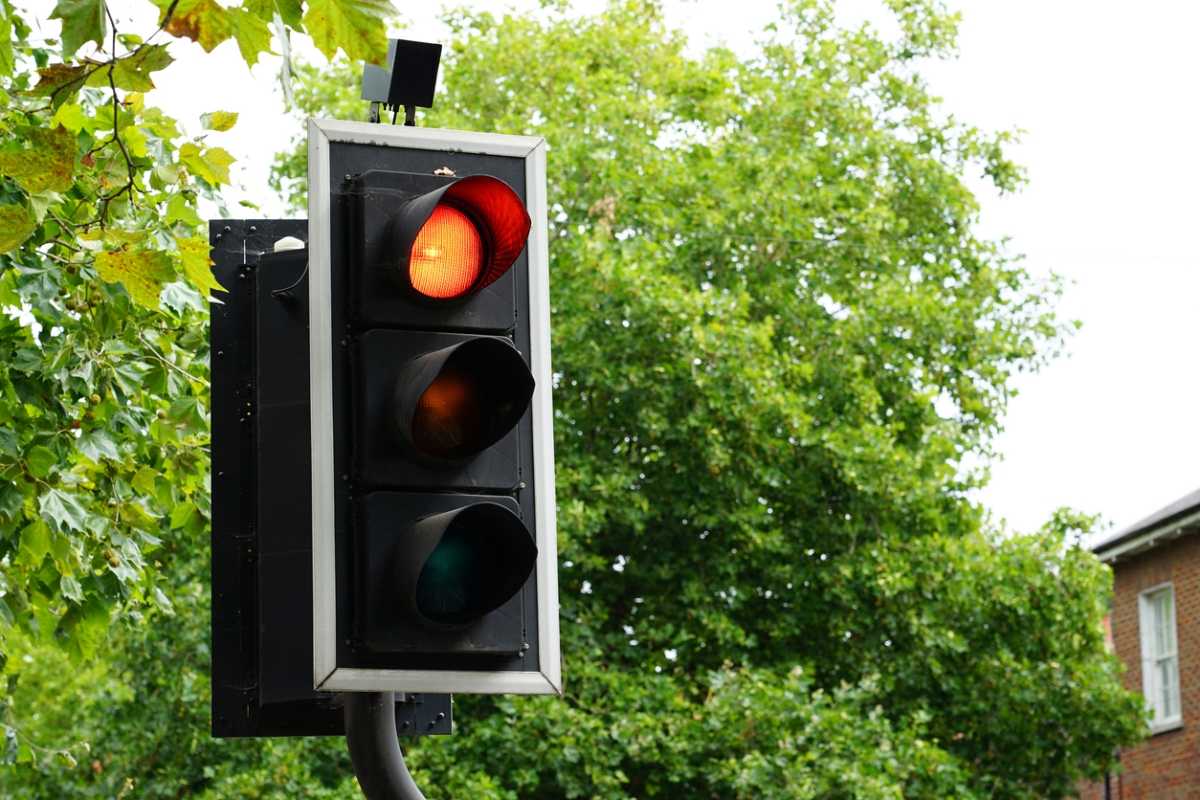
A driver was caught running a red light every four-and-a-half minutes across Britain between 2023 and 2025, according to new data obtained through a Freedom of Information request.
The figures, compiled by Cinch, reveal that motorists ignored red traffic signals every 270 seconds during the three-year period, with 26 police forces recording a combined 351,244 offences.
The trend has continued into 2026. During the first three months of the year alone, police recorded a further 33,951 offences - equivalent to more than 377 drivers being caught every day.
Running a red light is an offence under Section 36 of the Road Traffic Act 1988. Drivers who fail to comply with a traffic signal can receive three penalty points and a financial penalty if prosecuted.
Red-light offences continue to rise
The data shows a sharp increase in offences over the three-year period. Police recorded 101,184 red-light offences in 2023, rising to 139,139 in 2025, an increase of 37.5%.
The Metropolitan Police Service accounted for more than half of all offences recorded, with 187,261 incidents across the three years.
Where time-stamped data was available, afternoons were identified as the most common time for motorists to be caught running red lights, accounting for more than one-third of recorded offences.
Police forces recording the most red-light offences
The Metropolitan Police Service recorded by far the highest number of offences between 2023 and 2025. Outside London, Nottinghamshire Police reported the highest total, followed by Leicestershire Constabulary and Surrey Police.
The 10 police forces recording the highest number of red-light offences were:
- Metropolitan Police Service – 187,261
- Nottinghamshire Police – 30,532
- Leicestershire Constabulary – 23,296
- Surrey Police – 17,779
- Police Scotland – 17,232
- Essex Police – 9,613
- South Wales Police – 8,532
- Cheshire Constabulary – 8,158
- Hertfordshire Constabulary – 7,748
- West Yorkshire Police – 6,894
Some police forces recorded significant increases
Several forces experienced dramatic rises in recorded offences, although variations in camera coverage and enforcement activity are likely to have contributed to the increases.
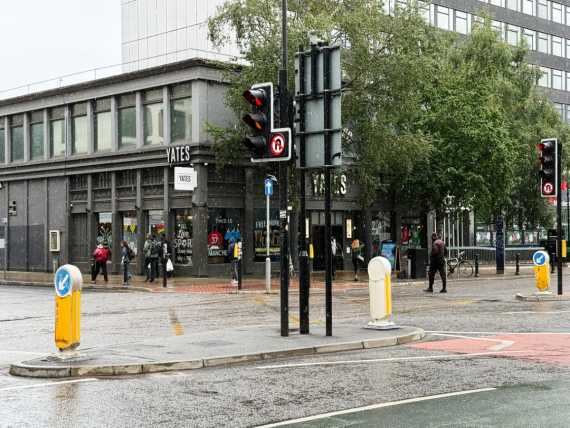
Humberside Police recorded the largest percentage rise, with offences increasing from 299 in 2023 to 2,004 in 2025, a rise of 570.2%.
West Mercia Police recorded the second-largest increase, with offences climbing from 426 to 2,697 over the same period, representing a 533.1% increase.
Nottinghamshire Police also saw a substantial rise, with offences increasing from 4,635 in 2023 to 16,017 in 2025, up 245.6%.
How red-light cameras detect offending drivers
The UK's network of red-light cameras uses high-resolution imaging technology capable of capturing offences in both daylight and low-light conditions. Depending on the system, cameras may use a traditional visible flash or infrared technology that operates without a noticeable flash.
The longest-serving cameras on British roads are the rear-facing Gatso RLC 36 systems, which use radar technology and can enforce both red-light and speed offences.
Newer enforcement technology includes digital Truvelo D-Cam systems, Monitron RedGuard cameras, which rely on piezoelectric sensors embedded in the road surface, and the latest Vector and Vector-SR cameras, capable of monitoring traffic in both directions across two lanes.
What happens if you're caught running a red light?
Motorists detected committing a red-light offence will usually receive a Notice of Intended Prosecution (NIP) within 14 days.
The registered keeper must identify the driver within 28 days. Once confirmed, the driver will typically receive a Fixed Penalty Notice carrying a £100 fine and three penalty points on their licence.
Drivers who believe a notice has been issued incorrectly have the right to challenge it through the appropriate legal process.