TL;DR Several important driving rule changes came into force during June 2026. Company car drivers face higher HMRC advisory fuel rates for petrol, diesel and LPG vehicles, while electric vehicle rates remain unchanged. Businesses using larger electric vans will benefit from simpler MOT rules and lower testing costs, and learner drivers will now have fewer options when changing their practical driving test appointments.
Driving law changes introduced in June 2026
June brought several important updates for UK motorists, affecting everyone from company car drivers to businesses operating electric vans and learner drivers preparing for their practical test.
The changes could affect how much you pay to drive, when your vehicle needs an MOT and how easily you can rearrange a driving test.
Here's a closer look at the biggest driving law changes introduced this month.
Electric van MOT rules have changed
The Government has simplified MOT requirements for electric vans weighing between 3.5 and 4.25 tonnes, reducing red tape for businesses making the switch to zero-emission vehicles.
Previously, these heavier electric vans faced stricter testing requirements than equivalent petrol or diesel models. Under the new rules, they will now follow the same Class 7 MOT requirements as conventional vans.
The changes also extend the first MOT exemption period. Newly registered electric vans in this weight category will now need their first MOT three years after registration, instead of after just one year.
The Government says the changes will:
- Reduce bureaucracy for businesses
- Cut MOT testing costs by up to 60%
- Make operating electric vans simpler and more cost-effective
The measures are designed to encourage more businesses to adopt electric commercial vehicles as part of the UK's transition to lower-emission transport.
HMRC increases advisory fuel rates for company cars
Company car drivers using petrol, diesel and LPG vehicles will receive higher reimbursement rates after HM Revenue & Customs (HMRC) updated its advisory fuel rates from 1 June 2026.
The rates are used when employers reimburse staff for business mileage or when employees repay fuel costs for private journeys in a company car.
While petrol, diesel and LPG rates have all increased, the reimbursement rates for electric vehicles remain unchanged.
HMRC advisory fuel rates from 1 June 2026
Petrol
| Engine Size | New rate |
| Up to 1,400cc | 14p per mile (up from 12p) |
| 1,401cc to 2,000cc | 17p per mile (up from 14p) |
| Over 2,000cc | 26p per mile (up from 22p) |
Diesel
| Engine size | New rate |
| Up to 1,600cc | 15p per mile (up from 12p) |
| 1,600cc to 2,000cc | 17p per mile (up from 13p) |
| over 2,000cc | 23p per mile (up from 18p) |
Electric vehicles
- Home charging: 7p per mile (no change)
- Public charging: 15p per mile (no change)
LPG
| Engine size | New rate |
| Up to 1,400cc | 11p per mile (up from 10p) |
| 1,401cc to 2,000cc | 13p per mile (up from 12p) |
| Over 2,000cc | 21p per mile (up from 19p) |
The increases reflect rising fuel costs, while electric vehicle reimbursement rates remain unchanged.
DVSA limits driving test changes
Learner drivers will now face tighter restrictions when changing their practical driving test appointments.
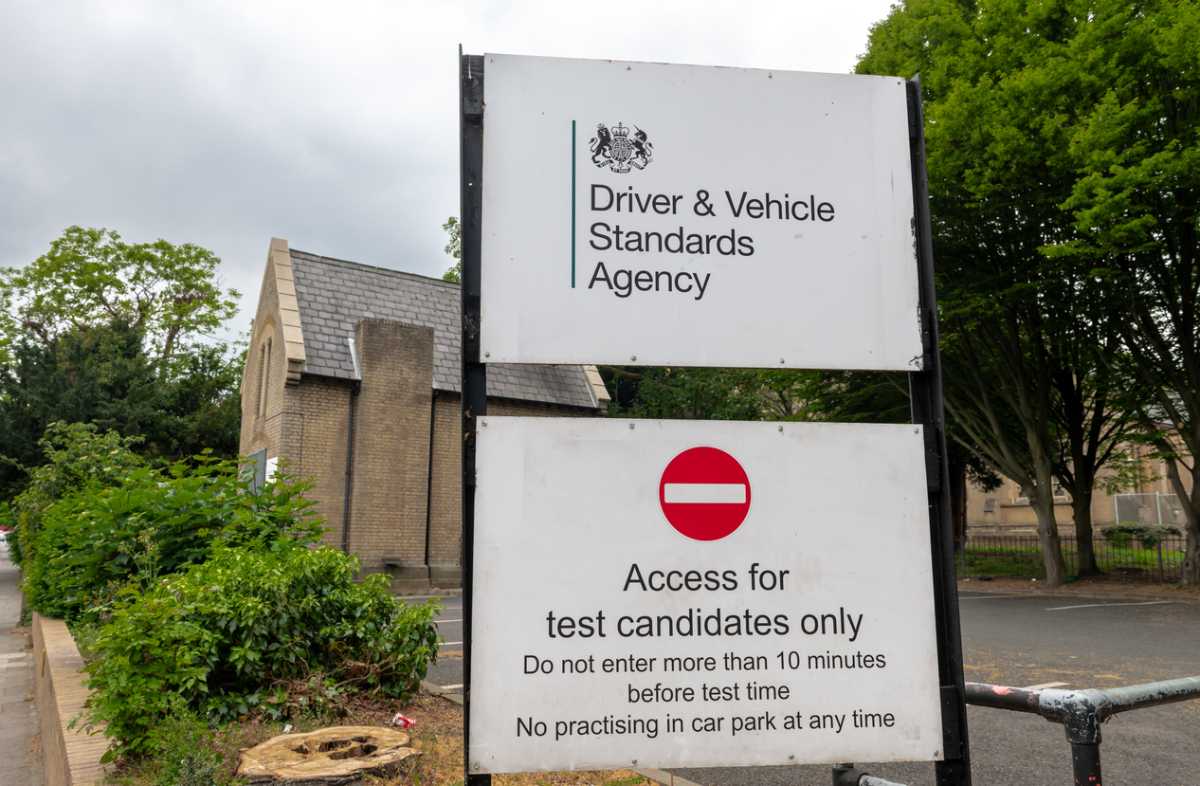
From 9 June 2026, the Driver and Vehicle Standards Agency (DVSA) only allows candidates to move their booking to one of the three nearest test centres.
Previously, learners could move a booking to almost any driving test centre in Great Britain, a loophole often exploited by bots and third-party booking services.
For example, someone with a test booked in Watford can now only transfer it to the three closest centres:
- Borehamwood
- Pinner
- Mill Hill
The DVSA says the change is designed to reduce abuse of the booking system and make driving tests fairer for everyone waiting for an appointment.
What these changes mean for drivers
The latest driving law updates affect different groups in different ways:
Company car drivers should check the new HMRC mileage rates to ensure they receive the correct fuel reimbursement.
Businesses operating electric vans could save money thanks to simpler MOT rules and longer periods before a vehicle's first test.
Learner drivers should think carefully before booking a practical test, as moving it to another area is now much more restricted.
Although none of these changes affect every driver, they could have a noticeable impact on your driving costs, vehicle maintenance and access to driving tests during 2026.