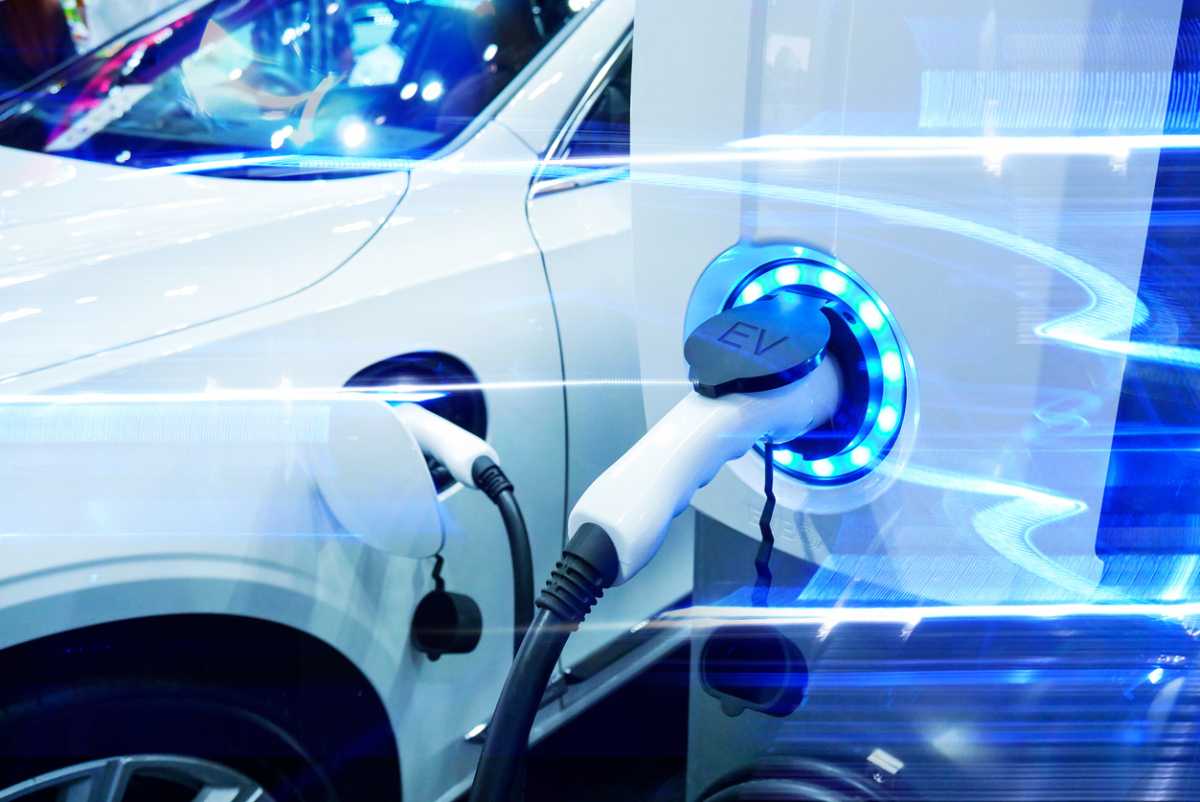
New, petrol and diesel, powered vehicle sales have ‘peaked’ and electric variants look set to take 32% market share worldwide by 2030, Deloitte’s industry report says. The company therefore expects electric sales – that include full electrics and plug-in hybrids – to be 2.5 million in 2020, 11.2 million in 2025, and 31.1 million in 2030. But why are these cars expected to become popular?
Jamie Hamilton, Head of Electric Vehicles at Deloitte, suggests there are several reasons demand is likely to increase. Lower purchase costs than in the past, for example. ‘The price premium attached to many electric cars restricted some early adopters’, he explained. ‘However, as the costs have converged with petrol and diesel equivalents the pool of prospective buyers is set to rise.’
Mr Hamilton further suggests that the wider choice of electric vehicles is likely to increase consumer demand. More choice is expected from the bottom of the market to the top. ‘A wider range of new electric vehicles – combined with a growing second-hand market – means EVs are becoming a viable option for many’, he says.
The favourable regulatory environment is likely to facilitate further in the United Kingdom. For example, financial incentives that make it cheaper to own electric cars than traditional equivalents. Likely incentives include cheaper road tax, cheaper company car tax, and exemption from pollution charges within cities. As such, ‘half’ of motorists in the United Kingdom ‘would consider’ an electric vehicle as a next purchase, Deloitte reveals.
However, Mr Hamilton suggests that certain issues have to be overcome before drivers fully embrace electric cars. ‘Overcoming consumer concerns around driving range and perceived lack of charging infrastructure will be important factors as more drivers consider the practicalities of switching to electric’, he explains.
In other words, motorists need reassurance that their cars can travel far enough per-charge and they can easily find fast, reliable, and cost effective public chargers throughout the country.
Petrol and diesel sales have peaked, report concludes
Deloitte’s report further claims that petrol and diesel vehicle sales have peaked. Let us consider why. Covid-19 recently forced the industry to close its showrooms. ‘Whilst overall car sales plummeted during this time, electric vehicles have shown resilience in some regions compared to the rest of the market’, Hamilton says.
‘Consequently, the outbreak of COVID-19 means we have likely seen petrol and diesel vehicles reach their sales peak. With total annual car sales unlikely to return to pre-pandemic levels until 2024, even if sales growth in the petrol and diesel market returns it is likely to experience a decline in market share thereafter.’