TL;DR The Government has increased the EV home charger grant to £500, but strict rules mean most drivers won’t benefit. With the scheme ending in 2027 and new EV charges coming in 2028, the savings may not last.
A bigger discount, but the same restrictions
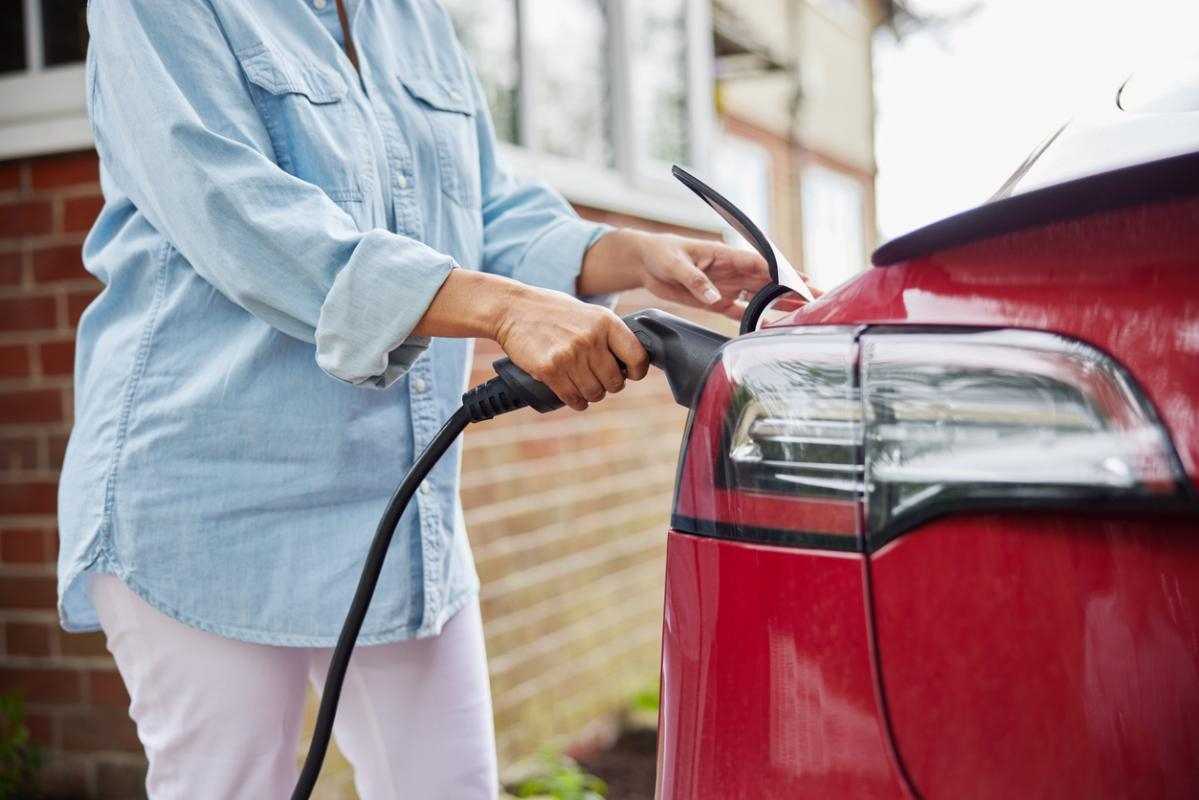
The Government has increased its EV Chargepoint Grant to £500 from 1 April, raising the discount by £150. It’s part of a wider push to make switching to electric cars more affordable, with the grant now typically covering close to half the cost of installing a home charger.
But the eligibility rules haven’t changed. The scheme is still limited to renters, flat owners, businesses and homes without driveways. That leaves the majority of UK households out - including around 18 million homes with off-street parking.
Given that most current EV owners charge at home, it’s a gap that’s hard to ignore.
A limited window to benefit
There’s also a deadline. The Government will scrap all funding for home charger installations in March 2027, meaning this is effectively the last chance to get support.
Take-up so far has been modest, especially among flat owners. Since 2022, just over 21,000 claims have been made in this group, pointing to ongoing challenges around installation and access.
For those who can install a charger, the running costs can be much lower than petrol. Charging at home can cost as little as 2p per mile, with potential savings of up to £1,400 a year.
Costs could rise again later in the decade
Further ahead, new charges are set to come in. From April 2028, EV drivers will pay around 3p per mile, with plug-in hybrids also facing additional costs.
On a trip like London to Birmingham, that would add roughly £3.60 - wiping out the savings from charging at home.
So while the higher grant helps in the short term, the longer-term picture is less clear.