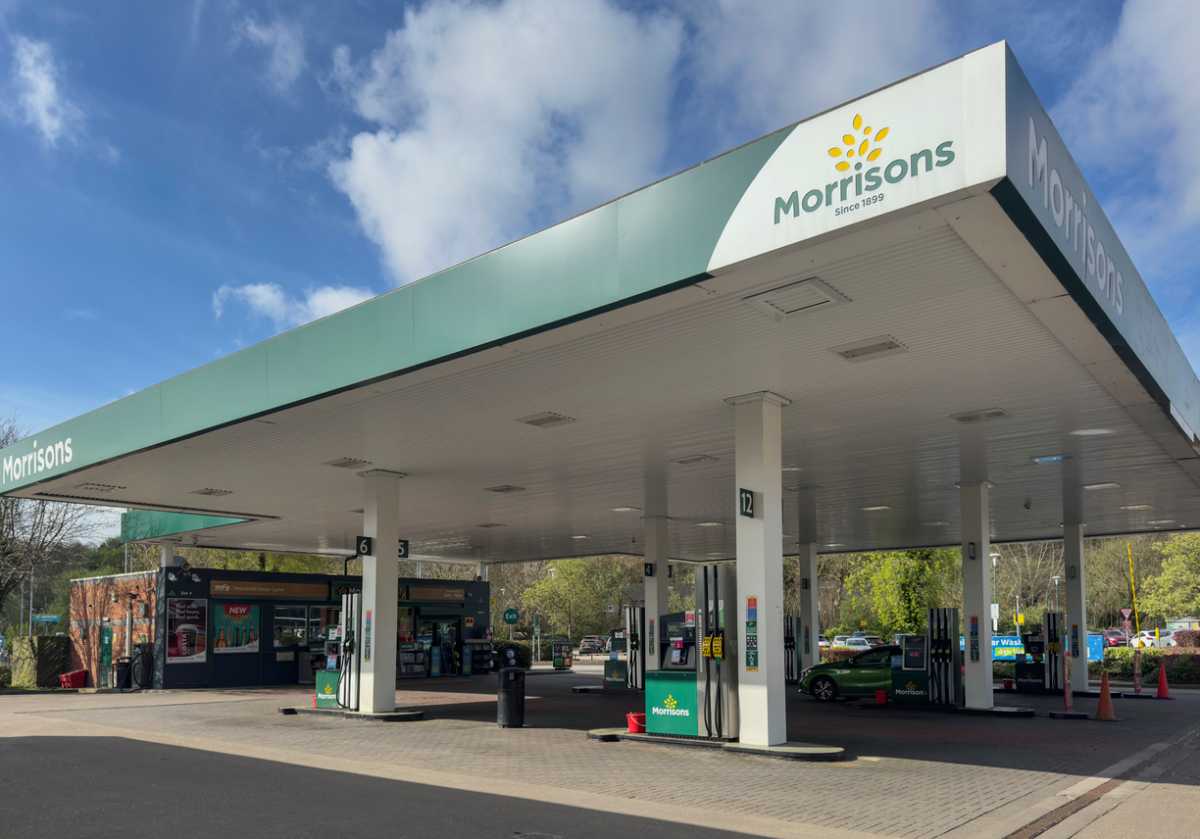
Motorists are being warned that petrol and diesel prices are likely to rise in the coming days after a period of significant savings at the pumps.
Fuel prices had dropped sharply throughout June as oil prices fell following ceasefire discussions in the Middle East. Diesel saw the biggest monthly reduction on record, with the average price per litre falling by 17p.
However, a fresh escalation in tensions between the United States and Iran has put pressure back on global oil markets, forcing forecourt prices to start climbing again.
Drivers were paying an average of 151.0p per litre for petrol over the weekend, slightly higher than the six-week low of 150.7p recorded the previous Monday.
Diesel prices have risen more gradually, increasing from 164.8p to 164.9p per litre and remaining just below the 165p mark.
At present, only Northern Ireland, the North East, and Yorkshire and the Humber have average petrol prices below 150p per litre.
Why fuel prices are rising again
The latest increases are linked to rising wholesale fuel costs. Petrol prices increased by around 3p to 4p per litre from the final week of June, while diesel wholesale costs rose by more than 6p per litre over the same period.
The renewed conflict involving the US and Iran has pushed oil prices higher, while diesel has also been affected by Russia’s restrictions on fuel exports.
Fuel prices have been highly unpredictable since the start of the conflict. In April, petrol reached a high of 159.0p per litre, while diesel climbed to 192.4p per litre.
Prices then began falling as ceasefire discussions progressed, before rising again to 159.7p per litre for petrol in May when negotiations failed.
By early July, petrol had fallen to 150.7p per litre, while diesel dropped from 184.4p in late May to 164.9p.
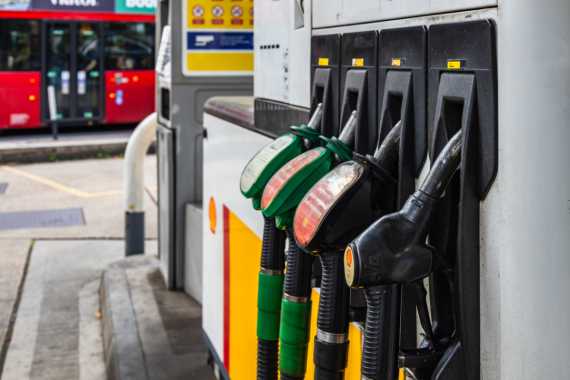
Experts warn summer drivers could see higher costs
Luke Bosdet, the AA’s fuel price spokesperson, said drivers could face further increases despite recent falls.
He said motorists heading into the summer holiday period should prepare for higher prices, adding that fuel costs would currently be around 6p per litre higher without the government’s fuel duty reduction.
Bosdet also highlighted how unpredictable petrol and diesel prices are encouraging more drivers to consider electric vehicles, which generally offer more stable running costs.
“Large numbers of car owners that can are now ditching petrol and diesel for electricity and its more predictable costs,” he said.
The RAC has issued a similar warning, saying recent savings could quickly disappear.
Simon Williams, the RAC’s fuel expert, said drivers travelling for summer holidays could see petrol and diesel prices rise by a few pence per litre in the coming weeks.
He added that future pump prices will depend heavily on whether tensions between the US and Iran continue to escalate.
Rising fuel costs drive interest in electric vehicles
The uncertainty around petrol and diesel prices appears to be accelerating demand for electric cars.
New government figures from the Department for Energy Security and Net Zero show electricity consumption from road vehicles increased by 30.7% between 2024 and 2025.
Electric vehicle electricity use also rose by a further 28.1% during the first quarter of this year.
Car sales figures support the growing shift towards electric vehicles. According to the Society of Motor Manufacturers and Traders (SMMT), 213,166 new cars were registered last month - an 11.4% increase compared with the same month last year and the strongest June performance since 2019.
Battery electric vehicles accounted for 30% of all new car sales in June, up from 24.8% a year earlier.
The SMMT described the growth in electric car sales as “significant”, with changing fuel prices appearing to influence more drivers’ decisions about their next vehicle.