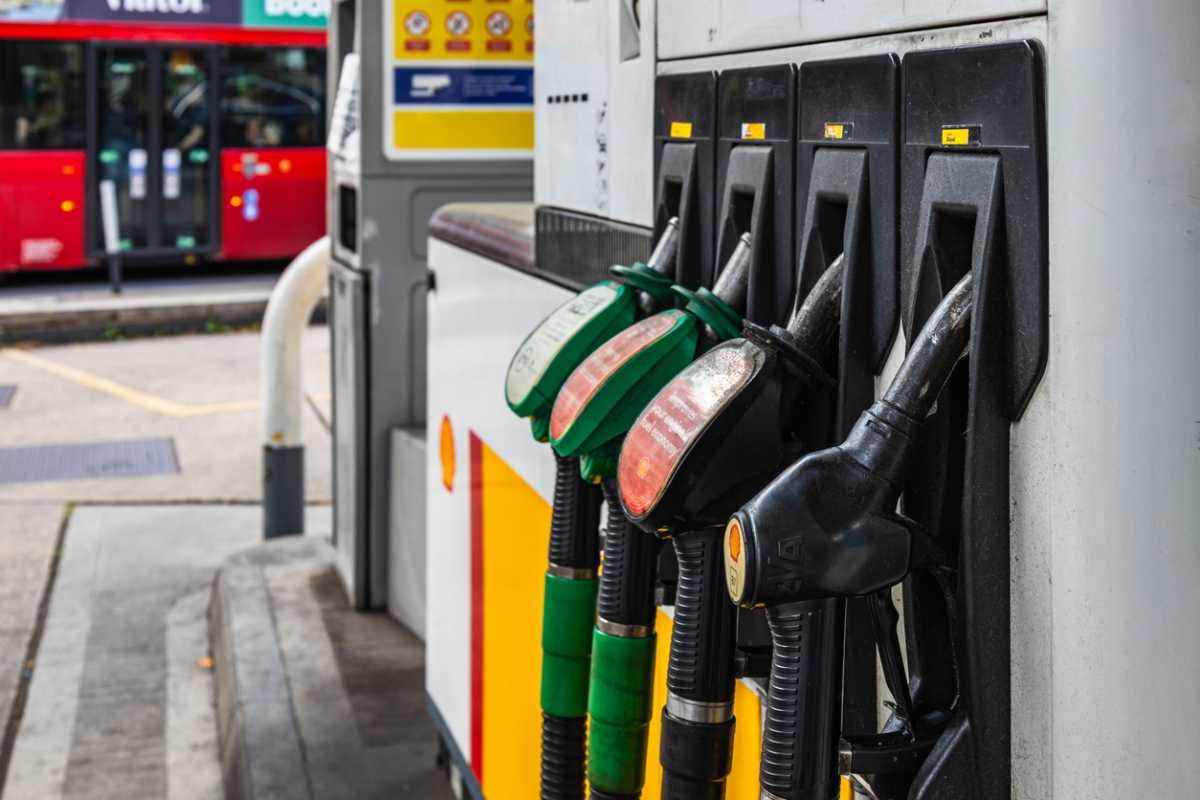
Fuel prices are rising sharply once again, wiping out much of the relief drivers have enjoyed over recent months.
The average litre of unleaded has increased by around 5p in just over two weeks, while diesel has climbed almost 8p, following a renewed surge in global oil prices. Brent crude has now returned above $100 a barrel as escalating conflict in the Middle East raises concerns over global oil supplies.
For UK motorists, the immediate consequence is simple: filling up is becoming significantly more expensive. Unless tensions ease quickly, further increases at the pumps are likely over the coming weeks.
Why are fuel prices increasing so quickly?
The latest spike has been driven by geopolitical instability rather than changes in UK fuel taxation or demand.
Brent crude, the international benchmark used to price much of the world's oil, has climbed above $100 per barrel after renewed hostilities involving Iran and the United States. Markets are increasingly concerned that vital shipping routes used to transport crude oil could face prolonged disruption.
Adding to those concerns, attacks on oil tankers near the Bab el-Mandeb Strait have created fears of another bottleneck for global energy supplies, alongside existing disruption around the Strait of Hormuz.
When wholesale oil prices rise rapidly, retailers inevitably pay more for fuel deliveries. Those higher costs are then passed on to drivers through increased forecourt prices.
What does this mean for UK drivers?
The latest increases have added almost £3 to the cost of filling a typical 55-litre petrol car, while diesel drivers are paying more than £4 extra compared with prices seen just a fortnight ago.
Current average UK prices now stand at approximately:
- Petrol: 155.57p per litre
- Diesel: 172.14p per litre
If wholesale costs continue rising, analysts believe petrol could soon reach around 160p per litre, while diesel may approach 180p.
Although these figures remain below the record prices experienced following Russia's invasion of Ukraine in 2022, they represent a significant reversal after months of gradual reductions.
For households already dealing with higher mortgage payments, insurance premiums and vehicle running costs, another jump in fuel prices places additional pressure on everyday budgets.
Could prices rise even further?
Unfortunately, yes.
Investment analysts are warning that oil prices could continue climbing if disruption to shipping routes persists. Some forecasts suggest Brent crude could reach $120 per barrel later this year if supply remains constrained.
Fuel prices do not move in perfect step with oil prices, however. Other factors also influence what motorists pay, including:
- Wholesale fuel markets
- Sterling's exchange rate against the US dollar
- Refining and distribution costs
- Retailer pricing strategies
- Fuel duty and VAT
This means prices at UK forecourts may continue rising even if oil prices stabilise in the short term.
Why motorists are right to question pump prices
While global oil markets clearly influence UK forecourt prices, motorists are often left asking why increases appear to arrive almost immediately while reductions can take much longer.
Motoring organisations have repeatedly criticised the speed at which retailers pass on rising wholesale costs compared with falling ones. The Competition and Markets Authority has previously highlighted concerns about transparency in fuel retailing, leading to greater scrutiny of supermarket and independent forecourt pricing.
Drivers have every reason to expect retailers to reflect wholesale cost reductions just as quickly as increases. Greater transparency throughout the supply chain remains essential if motorists are to have confidence they are paying a fair price.
The latest increases also underline how exposed UK drivers remain to events taking place thousands of miles away. Despite continued growth in electric vehicle ownership, millions of households still rely on petrol and diesel vehicles for work, school runs and essential travel.
How can drivers reduce the impact?
Motorists cannot control global oil prices, but there are practical ways to soften the financial blow.
Simple measures include:
- Comparing local forecourt prices before filling up.
- Avoiding motorway service stations where possible, as prices are often significantly higher.
- Keeping tyres correctly inflated to improve fuel efficiency.
- Removing unnecessary weight from the vehicle.
- Driving more smoothly by avoiding harsh acceleration and heavy braking.
- Combining shorter journeys where practical.
For drivers considering changing vehicles in the coming years, rising fuel prices may also strengthen the case for choosing a more efficient petrol model, a hybrid or an electric vehicle, depending on driving habits and access to charging.
The return of oil above $100 a barrel has brought an unwelcome reminder of how quickly fuel prices can rise when global events disrupt energy markets.
For UK motorists, the immediate impact is already being felt through higher forecourt prices, with petrol and diesel both climbing sharply in recent weeks. If tensions in the Middle East continue or supply routes remain under threat, drivers should be prepared for further increases over the summer.
While geopolitical events are beyond motorists' control, they are entitled to expect fair pricing and greater transparency from the UK's fuel retail sector. As households continue to face rising motoring costs across insurance, maintenance and taxation, every penny at the pump matters.