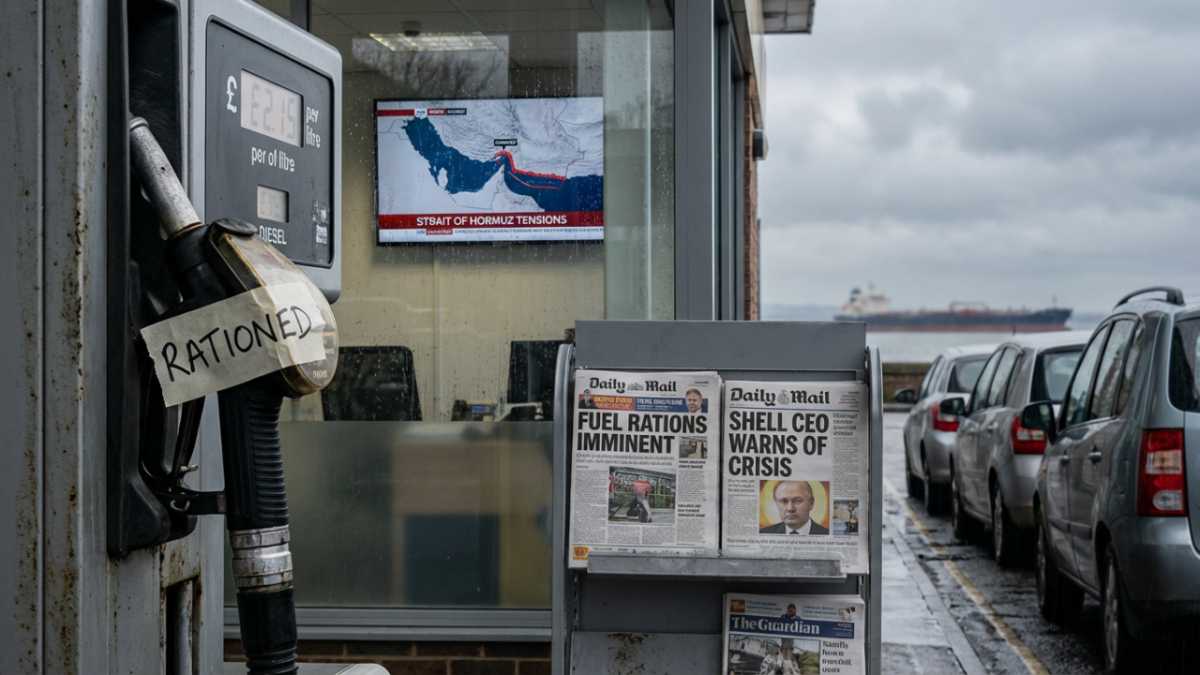
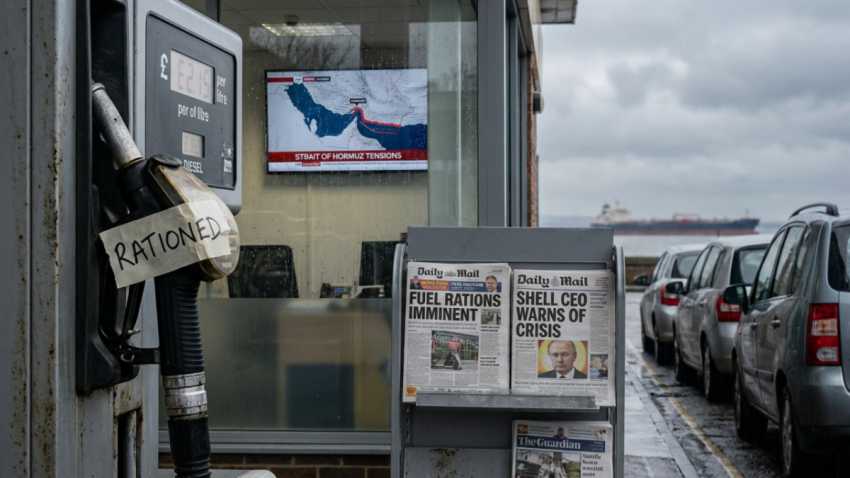
TL;DR: Shell’s CEO has warned that fuel rationing could hit the UK as early as this spring. If vital oil routes like the Strait of Hormuz face long-term disruption, the government may have to step in to control fuel distribution, potentially coinciding with crude oil prices soaring to $150 a barrel.
Key Facts
- Shell CEO Wael Sawan has warned fuel rationing in the UK may become a reality if tankers are unable to pass through the Strait of Hormuz.
- Crude oil could reach $150 a barrel in a worst-case scenario, a level experts say could trigger a severe global economic downturn.
- April is when Europe, including the UK, may feel the full impact of supply shortages after disruptions already seen in Asia.
- Diesel costs are expected to spike next, following a sharp rise in jet fuel prices caused by the ongoing supply chain crisis.
- Germany has admitted its nuclear phase-out was a mistake, leaving it dependent on expensive liquefied natural gas (LNG) imports.
UK drivers could face fuel rationing by spring
Drivers across the UK have been warned to brace for potential fuel rationing in the coming months, following stark comments from Shell’s CEO, Wael Sawan.
He said, “South Asia was first to get that brunt. That’s moved to south-east Asia, north-east Asia and then more so into Europe as we get into April.”
He cautioned that if the critical oil transit route through the Strait of Hormuz remains blocked, the UK government might have no choice but to impose fuel limits.
The Strait of Hormuz is one of the world’s most important shipping routes, and any disruption there has serious global consequences. Analysts warn crude oil could surge to $150 a barrel, a price point that would send shockwaves through economies worldwide and add even more strain to household budgets here in the UK.
Pain at the pump may just be the start
Beyond rising prices, the bigger fear is availability. The global fuel network is already stretched thin, and small disruptions are causing huge ripple effects. Jet fuel prices have already doubled, and now all eyes are on diesel – the lifeblood of delivery vans, lorries, and public transport.
BlackRock’s chairman, Larry Fink, recently told the BBC that persistently high energy prices could have “stark and steep” consequences for the economy. For millions of British motorists who rely on their vehicles daily, the concern is no longer just how much filling up will cost, but whether fuel will be available at all.
Fragile peace talks bring temporary relief
Although a brief dip in prices followed early peace discussions in the Middle East, experts warn that any renewed disruption in the Strait of Hormuz would quickly destabilise global supply again. One prolonged blockage could see pumps run dry within weeks, shifting the conversation from affordability to scarcity.
Lessons from Europe’s energy missteps
Germany’s experience offers a warning. The country’s economy minister recently admitted that shutting down its nuclear power plants left it more vulnerable during the current crisis. To keep its economy running, Germany has been forced to rely heavily on expensive LNG imports, a scenario the UK will want to avoid.
Is the UK ready for rationing?
Contingency plans for fuel rationing in Britain have existed for decades, usually locked away as a “last resort.” But with current geopolitical tensions showing no signs of easing, those plans are suddenly back on the radar.
Shell’s internal forecasts suggest the worst of the crisis could hit Europe this April, following the shockwaves already seen in Asian markets. If crude oil prices edge closer to $150 per barrel, the likelihood of the government stepping in with rationing measures could shift from unlikely to unavoidable.
For now, staying informed is key. Keep an eye on oil price trends, plan ahead for potential shortages, and be prepared for sudden changes at the pump, because this spring, every litre might start to count.