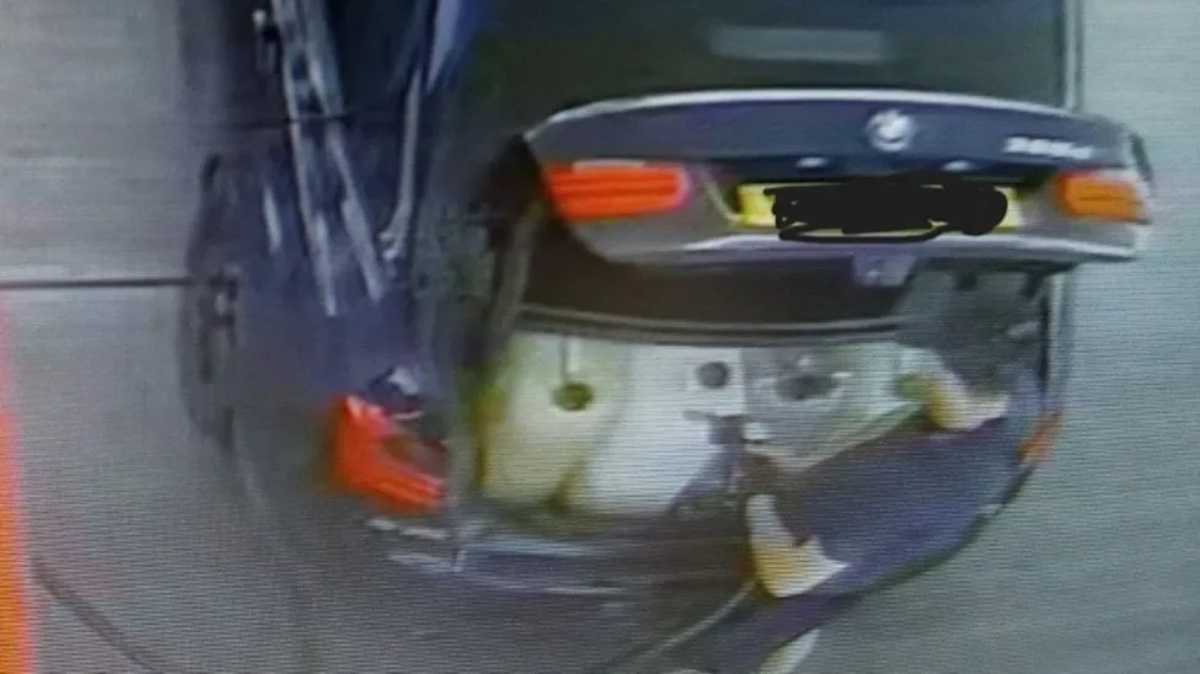
Fuel theft from UK petrol stations has climbed sharply as motorists continue to grapple with rising pump prices, with new industry figures suggesting almost £200,000 worth of fuel is now being stolen every day.
According to an analysis by fuel theft prevention company Fourcourt Eye, the value of fuel stolen from UK forecourts has increased by 48% since the conflict involving Iran began earlier this year, while the number of thefts has risen by around a fifth.
Although higher fuel prices appear to be one factor behind the increase, forecourt operators say they are also dealing with more organised criminal activity, growing levels of abuse towards staff and a policing system that often struggles to investigate lower-value offences.
Rising fuel prices appear to be driving more thefts
Forecourt Eye analysed reports from a representative sample of 550 UK petrol stations and estimated that around £194,000 worth of fuel is now being stolen every day across Britain's 8,359 forecourts.
The data covers two main types of incidents:
- Drive-offs, where a driver fills up and deliberately leaves without paying.
- No means of payment incidents, where a customer claims they cannot pay after refuelling.
The company says the number of first-time offenders has increased faster than repeat offenders, suggesting some motorists who have never previously committed fuel theft may now be taking the risk.
This comes against the backdrop of significantly higher fuel prices.
Average petrol prices have climbed to around 160p per litre, roughly 27p higher than before the conflict, while diesel has reached around 179p per litre, around 37p higher. Those increases add around £15 to £20 to the cost of filling a typical family car compared with earlier in the year.
While there is no evidence that rising prices alone are responsible for the increase in thefts, forecourt operators say the cost of living continues to put financial pressure on some households.
Independent petrol station often bear the cost
One misconception highlighted by retailers is that many drivers assume every BP, Shell or Esso forecourt is owned by a multinational oil company.
In reality, many branded filling stations are independently owned businesses operating under franchise or supply agreements. When someone drives away without paying for £80 or £90 of fuel, it is usually the local business owner who absorbs the loss rather than the fuel supplier.
Operators also report a growing number of organised thefts involving vans fitted with large internal storage tanks, allowing criminals to steal substantial quantities of fuel before selling it on illegally.
At the same time, staff are reporting more aggressive behaviour from customers frustrated by prices that forecourt employees have no control over.
Fuel theft is a criminal offence
Some motorists may wrongly assume that driving off without paying is treated as a minor offence because the value involved is relatively low.
In fact, deliberately leaving a petrol station without paying is a criminal offence under the Theft Act 1978.
Depending on the circumstances, drivers could face:
- Criminal prosecution.
- A substantial fine.
- A criminal record.
- Up to two years' imprisonment in the most serious cases.
However, retailers argue enforcement remains inconsistent. Individual incidents often involve relatively small sums, meaning police resources are frequently prioritised elsewhere. Industry studies have suggested that many reported drive-offs never result in an identified suspect.
That leaves forecourt operators increasingly reliant on CCTV, automatic number plate recognition (ANPR) systems and specialist theft prevention technology to recover losses.
What does this mean for ordinary drivers?
The overwhelming majority of motorists pay honestly every time they fill up. However, increasing levels of fuel theft can still have wider consequences.
Potential impacts include:
- More investment in security systems, which ultimately adds to operating costs.
- Longer delays at some petrol stations if additional payment checks are introduced.
- Greater use of pay-at-pump or pre-authorisation systems.
- Continued pressure on independent forecourts operating on relatively tight profit margins.
Drivers who genuinely forget to pay should also remember there is an important legal distinction between an honest mistake and deliberately driving away without payment.
If you accidentally leave without paying, contact the filling station as soon as possible to explain what happened and arrange payment. Promptly resolving the issue is very different from intentionally avoiding payment.
High energy prices could keep pressure on fuel costs
Fuel theft has risen alongside wider concerns about global energy supplies.
Industry analysts warn that lower European gas storage levels and disruption to global energy markets could keep wholesale energy prices elevated into 2027. While wholesale oil prices do not always translate directly into pump prices, prolonged instability can make fuel more expensive for UK motorists.
That means pressure on household budgets may continue even if short-term fluctuations in petrol and diesel prices occur.
For drivers, the key takeaway is that fuel prices remain heavily influenced by international events well beyond the UK's control, while retailers continue to face the challenge of balancing higher costs with increasing levels of crime.
Conclusion
The sharp rise in fuel theft is another reminder of the pressures facing both motorists and independent petrol retailers.
Higher pump prices may explain some of the increase, but forecourt operators say organised criminal activity and weak enforcement are making the problem significantly worse. While most drivers continue to pay honestly, those who deliberately drive off risk serious criminal consequences, and the financial impact is often felt most by local businesses rather than global oil companies.
As fuel prices remain volatile, policymakers will face increasing pressure to tackle both the cost of motoring and the growing burden of crime affecting Britain's forecourts.