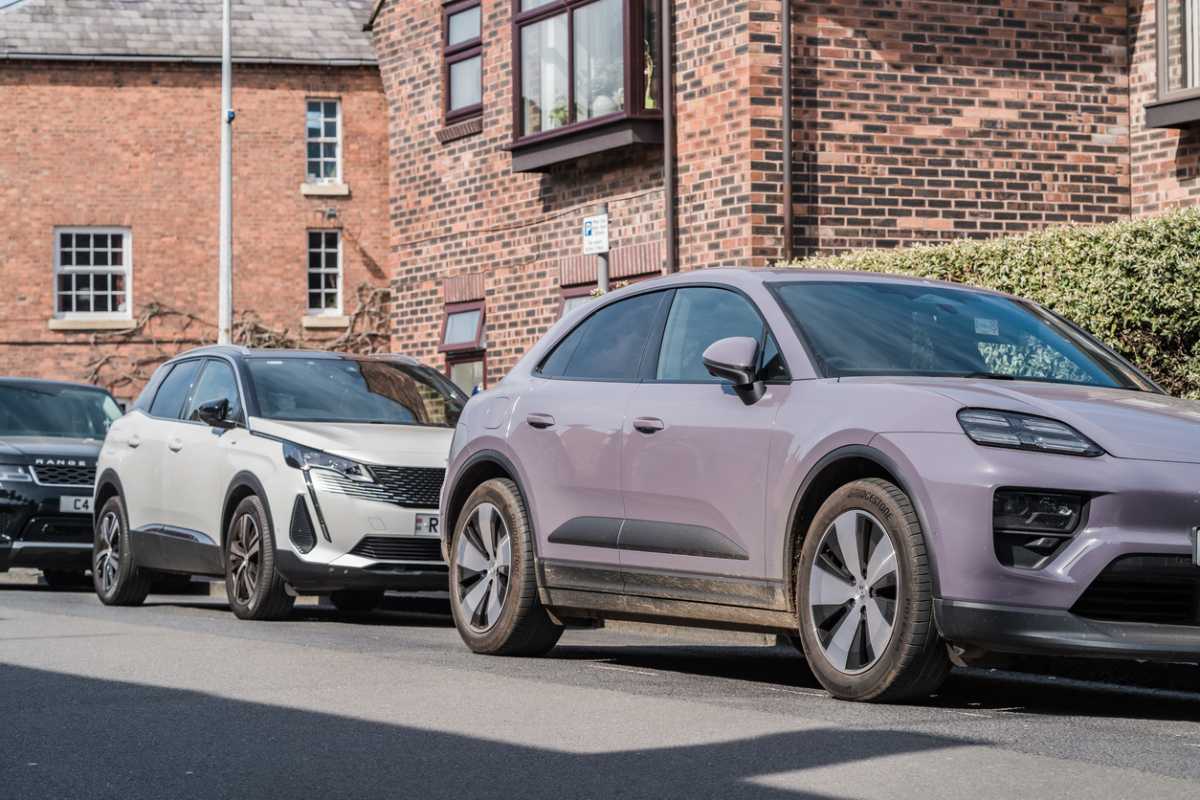
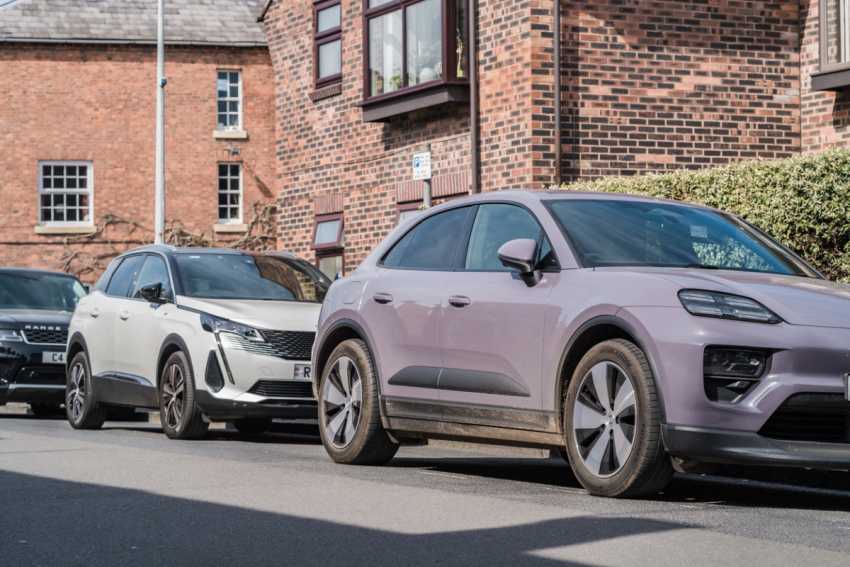
TL;DR New cars in the UK are becoming longer, wider and taller every year, with SUVs leading the trend. Campaign group Transport & Environment says this could reduce on-street parking by up to 10% by 2040 and make roads less safe for pedestrians. Car manufacturers argue that growing vehicle sizes are largely driven by tougher safety regulations and improved crash protection.
The increasing size of new cars, particularly SUVs, could lead to the loss of thousands of roadside parking spaces across the UK over the next 15 years, according to new research from transport campaign group Transport & Environment (T&E).
The organisation says that if cars continue to grow at their current rate, towns and cities will need to redesign roads and parking bays to accommodate larger vehicles. It estimates that between 8.5% and 14% of on-street parking spaces could disappear by 2040, with London alone potentially losing around 100,000 spaces.
Cars are getting bigger every year
According to T&E's analysis, new cars sold in Britain have steadily increased in size since 2000.
On average:
- New cars are becoming 1.2cm longer every year
- Vehicle width, height and bonnet height are each increasing by around 0.5cm annually
- Family sizes and average car occupancy have fallen during the same period, meaning larger vehicles are often carrying fewer people.
The organisation describes this trend as "carspreading" and says manufacturers have increasingly focused on larger, more profitable SUVs instead of smaller family cars.
Why are cars getting larger?
Car manufacturers do not dispute that modern vehicles are bigger, but they say the increase is largely driven by stricter safety requirements.
Modern cars must include:
- Larger crumple zones
- Stronger body structures
- More airbags
- Advanced driver assistance systems
- Additional pedestrian protection features
These safety improvements require more space, increasing the overall dimensions of many vehicles.
The changes have also coincided with significant improvements in road safety. Department for Transport figures show the number of car occupant casualties fell from 183,858 in 2004 to 70,089 in 2024, despite continued growth in vehicle ownership.
SUVs have become Britain's favourite type of car
Consumer demand has also played a major role.
A decade ago, SUVs accounted for around one in every ten new cars sold in the UK. By 2024, they had become the country's most popular body style, taking around one-third of the new car market.
Research by CarGurus also found that more than half of all new cars available in UK showrooms are now SUVs.
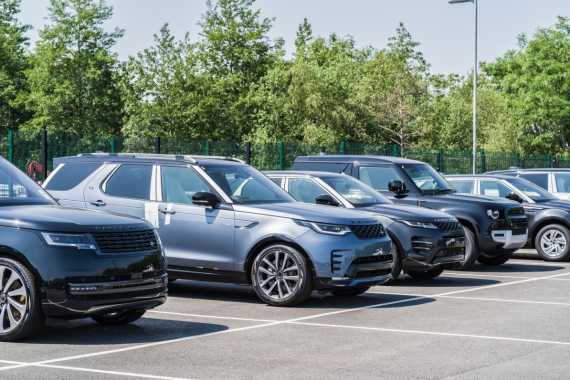
Popular models such as the Land Rover Defender and BMW X5 have also become noticeably larger with each new generation.
Campaigners warn of safety concerns
Transport & Environment and Clean Cities argue that larger vehicles can create additional risks for pedestrians and cyclists.
Their report suggests that if vehicle sizes continue to increase:
- Vulnerable road users could face greater injury risks.
- Higher bonnets may make it harder for drivers to see young children directly in front of the vehicle.
- Larger vehicles could contribute to hundreds of additional road deaths across the UK and Europe each year by 2040 compared with a scenario where smaller vehicles become more common.
The organisations believe rising bonnet heights are a particular concern because children are more likely to suffer head or chest injuries in collisions.
Calls for new rules on vehicle size
To slow the growth in vehicle dimensions, the campaign groups are calling for a range of new policies, including:
- A levy on the sale of larger SUVs and heavy vehicles.
- Maximum limits on vehicle width and bonnet height for future models.
- Higher parking charges for larger vehicles.
- New visibility tests within Euro NCAP safety assessments to measure how easily drivers can see children in front of their vehicles.
They propose introducing new size limits for newly approved models from 2033, with all new cars meeting the standards by 2036.
The debate is likely to continue
While campaigners argue that larger vehicles are placing increasing pressure on urban streets, the automotive industry maintains that many size increases are necessary to meet modern safety standards and consumer demand.
With SUVs continuing to dominate new car sales, policymakers face the challenge of balancing safety, practicality, urban space and environmental concerns as the UK's vehicle fleet continues to evolve.