TL;DR: In 2026, a modern UK car should reliably last at least 15 years or 150,000 miles, with many reaching 200,000 to 250,000 miles thanks to improved engineering and diligent maintenance, offering significant savings over frequent vehicle replacement.
How long should a car last in the UK? The 2026 longevity standard revealed
As we navigate 2026, the question of "how long should a car last" has shifted dramatically for UK drivers. It's no longer just about mechanical survival; it's a complex calculation involving technology, meticulous maintenance, and the very fuel type powering your vehicle.
Here at Regit, we've got good news for petrol and diesel car owners: vehicles are now sturdier and more reliable than ever before. Data from Auto Recycling World confirms the national average lifespan of a car has climbed to approximately 16.58 years, with some regions seeing cars remain on the road for over 18 years.
But what does this mean for your driveway? Whether you're eyeing a used bargain or wondering how long to hold onto your current pride and joy, the 2026 automotive landscape offers more clarity than ever. Modern engineering means that hitting the 200,000-mile mark, once a rare feat, is now a realistic goal for the average UK driver who prioritises preventative care. Your options just got better.
Key facts: How long should a car last
- 16.58 years: The national average lifespan of a vehicle in the UK, according to Auto Recycling World data.
- 15 years or 150,000 miles: The minimum expected lifespan for a modern car in 2026 with proper maintenance.
- 200,000 to 250,000 miles: An increasingly common mileage milestone for reliable brands like Toyota, Honda, and Volvo.
- £15,000+: Potential savings for UK households by running a car for 12 years compared to the average 4-6 year cycle.
- 12 months or 12,000 miles: The standard UK service interval recommendation for optimal car longevity.
How many miles should a car last? The new 2026 standard
If you're looking for the short answer, a modern car in 2026 should last at least 15 years or 150,000 miles. However, hitting the 200,000 to 250,000-mile milestone is increasingly common for brands renowned for their high-reliability ratings, such as Toyota, Honda, and certain Volvo models. This represents a significant shift in what we consider a "high mileage car".
Research from Consumer Reports suggests that if you diligently follow the manufacturer's specific service intervals, a modern car from a reputable brand is fully capable of exceeding 200,000 miles. For UK drivers, this equates to roughly 20 years of driving at the average annual mileage of 10,000 miles. Think about the potential savings on financing and depreciation!
High-mileage car reliability: The 100,000-mile u-turn
In previous decades, reaching 100,000 miles was often seen as the 'beginning of the end' for a car. In 2026, that perception has undergone a massive U-turn. Analysis by CoverageX indicates that keeping a car past 100,000 miles is now viewed as a significant financial win for UK drivers, compared to the constant cost of financing a new vehicle. This is, of course, provided the car's sub-systems (suspension, cooling, and electronics) are properly maintained.
When buying or selling a used car, Autotrader notes that the 'ideal' time to sell for maximum return is typically between 40,000 and 70,000 miles. Beyond this point, depreciation slows considerably, but the risk of needing significant component replacements (like timing belts or clutches) naturally increases. However, for astute buyers, a 100,000-mile car with a full, verifiable service history represents far better value in 2026 than a 50,000-mile car with puzzling gaps in its logbook. This shift in perception is great news for used car mileage guides and buyers alike.
Car service intervals: The secret to a 20-year car
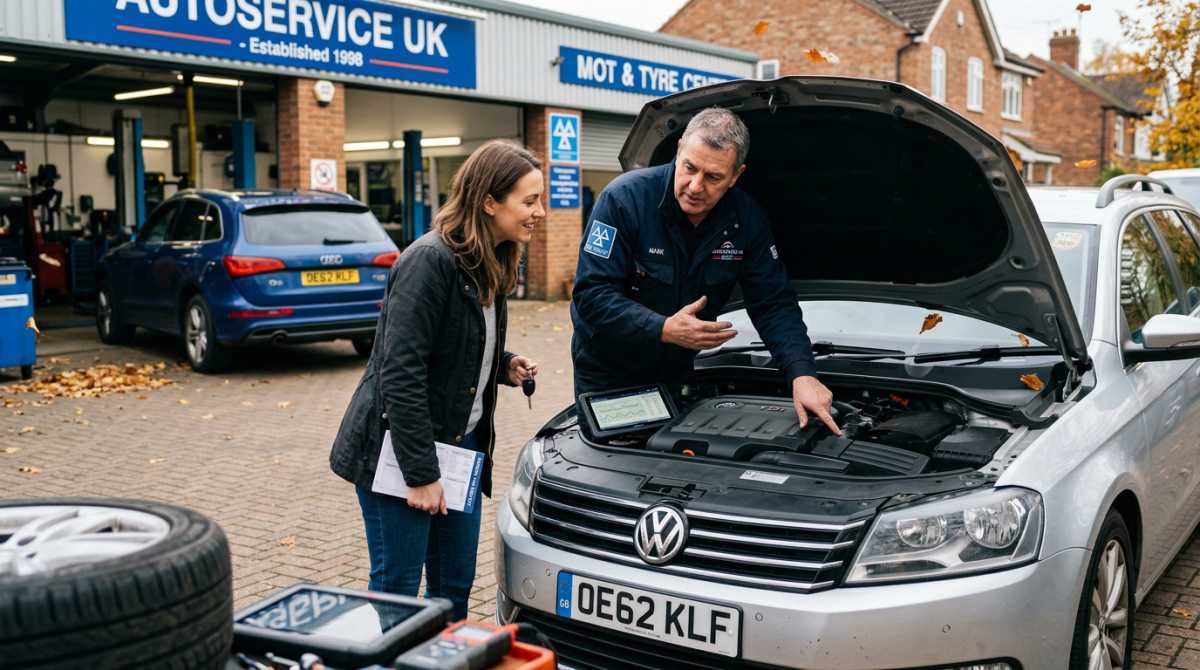
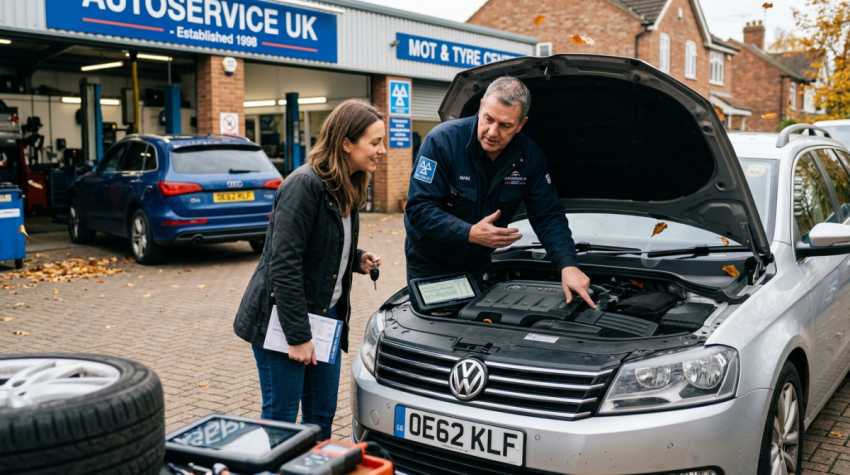
Having tested hundreds of vehicles over the last decade, we can confirm that fluids are the lifeblood of longevity for any vehicle. The standard UK requirement remains a service every 12 months or 12,000 miles, whichever comes first. This consistent attention is absolutely crucial for keeping your car on the road for longer.
Your essential maintenance checklist for 2026:
- Oil changes: Do not, under any circumstances, skip these. Even 'long-life' oils benefit immensely from regular changes to remove metallic particulates and maintain engine health.
- Tyre management: According to Carsa, a UK driver covering 10,000 miles a year should budget £120–£200 annually for tyres, replacing the full set approximately every two to three years. Proper alignment is also key, as it prevents uneven wear on both your tyres and crucial suspension components.
- Belt replacements: For cars equipped with timing belts, failure is often a 'death sentence' for the engine. Always check your car's manual; most manufacturers recommend replacement between 60,000 and 100,000 miles. Don't gamble with this critical component.
Petrol vs. Diesel vs. EV: Which fuel type lasts longest?
The debate on vehicle longevity based on fuel type has certainly evolved. On online forums like Reddit's r/AskUK, expert contributors frequently highlight that, depending on the specific engine and fuel type, cars can last well over 200,000 miles if they are meticulously looked after.
- Diesels: Historically, diesel engines were the longevity kings, especially for motorway miles. A well-maintained diesel engine can easily reach 300,000 miles. However, UK drivers should be aware that Diesel Particulate Filters (DPFs) can become a costly replacement around the 120,000-mile mark, impacting the overall cost of ownership.
- Petrols: Modern turbocharged petrol engines are undeniably more complex than their ancestors. However, with the consistent use of high-quality synthetic oils and adherence to service schedules, they remain highly competitive for 150,000+ miles. This is a testament to significant engineering advancements.
- EVs (Electric Vehicles): By 2026, we have a much more robust data set regarding EV battery life. Manufacturers like Audi, through their Signature Care program, are backing the long-term viability of electric vehicles. Most EV batteries are designed to retain 70-80% capacity after 8-10 years. What this means for drivers is that the total vehicle life of an EV could potentially surpass that of internal combustion engine (ICE) cars, largely due to having significantly fewer moving parts requiring maintenance and replacement.
How technology impacts car lifespan in 2026
One of the biggest, often overlooked, threats to a car's lifespan in 2026 isn't mechanical failure; it's digital obsolescence. "Software-defined vehicles" depend heavily on continuous updates. While a 2010 Ford Focus might meet its end due to a rusted subframe, a 2026 model could face 'obsolescence' if its central computer can no longer support essential safety or operational updates.
However, forward-thinking brands like Audi and Honda (with models like the 2026 Prologue) are designing for modularity, allowing some hardware and software components to be serviced or updated independently of the main battery or chassis, ensuring a longer functional life.
How much could you save by keeping your car longer?
Choosing to run a car for 12 years instead of the UK average of 4-6 years can save a household upwards of £15,000 in depreciation and financing costs. This is a substantial sum! Even with potentially increased repair costs in the later years (which average around £500–£800 per year for high-mileage cars), the 'Total Cost of Ownership' (TCO) is significantly lower than being caught in a constant cycle of new Personal Contract Purchase (PCP) or Hire Purchase (HP) agreements. It's a clear financial win for drivers.
Expert analysis: The Regit perspective on car longevity
From our extensive experience, the cars that truly last the longest in 2026 share three crucial traits: they were built by manufacturers with a strong focus on mechanical simplicity (think of the robust Toyota Corolla Hybrid, for example), they were consistently garaged or meticulously kept clean to prevent the insidious creep of corrosion, and critically, they never missed an annual inspection or service.
As users on the Honest John forum have often noted, some iconic vehicles like the Golf GTi have been known to reach 27 years of age with proper SORN (Statutory Off Road Notification) management and dedicated enthusiast care. While not every car will reach its third decade, the standard for "high mileage" has definitely moved north, offering greater long-term value to drivers.
Timeline for change: What to expect from your car's lifespan
- Years 1-3: Generally, only routine maintenance is required. This period also sees the highest depreciation.
- Years 5-7: This is often considered the 'sweet spot' for second-hand buyers. Components like brakes and tyres will likely need their first or second replacements.
- Years 10-12: Most cars will reach the 100,000-mile mark during this period. Suspension components and various rubber seals may begin to require attention.
- Years 15+: These are the 'Bonus Years.' With diligent rust prevention and careful driving, many 2026-era cars will still be reliable daily drivers well into 2041 and beyond.
Conclusion: Your options just got better for car lifespan
The old narrative that "they don't build them like they used to" is largely a myth in 2026. While modern cars are undeniably more complex, they are also built with greater precision and utilise advanced materials. If you buy a car today, commit to treating it to an annual service, and keep a keen eye on the mileage milestones, there is simply no reason why it shouldn't be your reliable companion for the next 150,000 miles or more.
Your options for long-term car ownership have never been better. Whether you ultimately choose a rugged hybrid or a long-range electric vehicle, the road ahead for your car is much, much longer than it's ever been. Embrace the longevity; it's a win for your wallet and the environment.