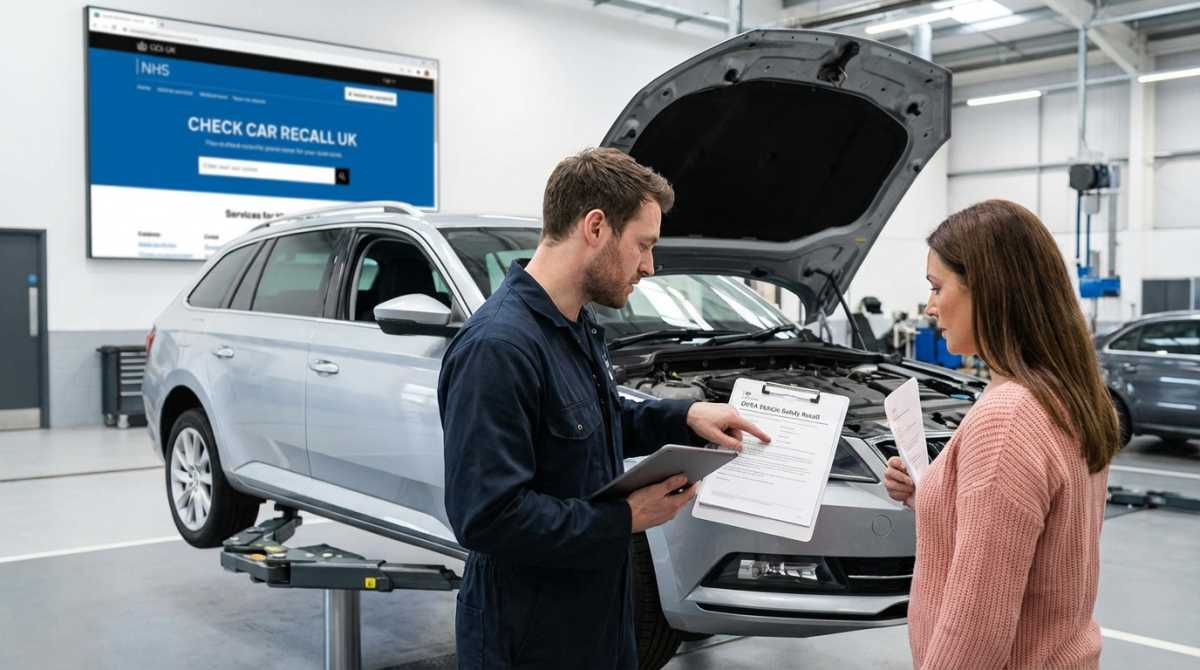
A car recall is a free safety fix issued by a manufacturer for a widespread vehicle defect, overseen in the UK by the DVSA. With millions of cars recalled by mid-2026, it's a positive sign that potential faults are being fixed at no cost to you, protecting both your safety and your car's value.
Check for free if your vehicle has an active recall using Regit's free recall checker.
Got a car recall notice? Here’s why it's actually good news
Wondering what a recall on a car means after a letter landed on your doormat? Regit reveals why it's a free safety fix, how to check if your vehicle is affected, and how it protects your car's long-term value.
At Regit, we believe in putting drivers first, and a recall notice, while sounding serious, is ultimately a win for vehicle owners. It's proof that a manufacturer is proactively ensuring your car is as safe as possible, all on their dime.
Key Facts
- Stellantis recalled 44,000 UK vehicles in April 2026, affecting Peugeot, Citroën, Vauxhall, Fiat, and Alfa Romeo models due to a potential fire risk in their 1.2-litre mild-hybrid engines.
- Millions of cars in the UK were subject to a safety recall by mid-2026, according to DVSA data, marking a significant rise in manufacturer-led safety campaigns.
- 100 separate vehicle recalls were issued in the UK within the first six weeks of 2026, a trend driven by the increasing complexity of modern powertrains and vehicle software.
- £0 is the cost you should ever pay for a safety recall repair. All parts, labour, and associated costs are legally covered by the vehicle manufacturer.
What exactly is a car recall? A simple definition
A car recall is a formal process initiated by a vehicle manufacturer when they identify a common defect across a specific model, production run, or component that could compromise safety. The safety recall meaning is simple: a fault has been found, and the manufacturer is taking responsibility to fix it for free.
These aren't for minor cosmetic issues or standard wear and tear. Recalls are reserved for significant problems that could pose a risk to the driver, passengers, or even the public. This could range from faulty airbags and potential brake failures to steering component weaknesses or fire risks from engine parts. In the United Kingdom, the entire process is monitored by the Driver and Vehicle Standards Agency (DVSA), which acts as the official watchdog to ensure manufacturers comply with their obligations to keep drivers safe.
Why are car recalls on the rise in the UK?
If it feels like you're hearing about recalls more often, you're not wrong. As of February 2026, the UK had already seen a staggering 100 vehicle recalls in just the first six weeks of the year. This isn't necessarily a sign that cars are becoming less reliable; rather, it reflects their incredible increase in complexity.
Modern cars are essentially computers on wheels, packed with sophisticated software, mild-hybrid systems, and advanced driver-assistance systems (ADAS). While this technology brings huge benefits in efficiency and safety, it also introduces more potential points of failure. The margin for error is smaller than ever.
A prime example is the major Stellantis recall news in 2026. The group, which owns a huge portfolio of popular brands, issued a car manufacturer safety notice for 44,000 UK vehicles in April 2026. This affected a wide range of cars from Peugeot, Citroën, Vauxhall, Fiat, and Alfa Romeo fitted with the 1.2-litre mild-hybrid engine. The culprit? A fault that could, in a worst-case scenario, lead to an engine fire. This mirrors a global trend, with brands like electric SUV maker Lucid recalling over 4,000 vehicles for seat belt defects, and Ford continuing to manage large-scale campaigns for various component issues.
Your step-by-step guide to the UK car recall process
From our experience tracking dozens of these campaigns, the recall process follows a clear and predictable path. Understanding it removes any uncertainty about what happens next.
1. The fault is identified
The process begins when either the manufacturer, through its own rigorous internal testing, or the DVSA identifies a recurring safety defect. This can also be triggered by a pattern of similar reports from vehicle owners or dealership service centres.
2. The owner is notified
Once a recall is confirmed, the manufacturer is legally required to contact the registered keepers of all affected vehicles. They get this ownership data directly from the DVLA (Driver and Vehicle Licensing Agency). This is why it’s so important to ensure your V5C logbook details are always up to date. They will send you an official letter - the car manufacturer safety notice - explaining the issue, the potential risk, and what you need to do next.
3. The free fix is booked
The letter will instruct you to contact your local authorised dealership to book your car in for the remedial work. This is not something your local independent garage can do; it must be a main dealer for your car’s brand.
4. The repair is completed and logged
The dealership will carry out the necessary repairs or replacements. Once completed, they update the manufacturer's central system, and the vehicle's record is marked as 'remedied'. This creates a permanent digital footprint confirming the safety work has been done.
How much does a car recall cost?
This is the most important question for many drivers, and the answer is the best news of all: a safety recall repair is always completely free of charge. You should never, under any circumstances, be asked to pay for the parts or the labour involved in fixing a recall issue. The cost is entirely on the manufacturer.
In fact, ignoring a recall notice could be the most expensive decision you make. If the identified fault were to cause an accident or a major breakdown, your insurance provider would likely investigate. Discovering that you failed to have mandatory safety work carried out could seriously complicate, or even invalidate, your claim. The free fix protects your wallet in more ways than one.
The biggest UK car recalls: Stellantis, Ford & more
Recent data paint a clear picture of rising recall activity. By the middle of 2026, the DVSA had already overseen recalls covering millions of cars, a huge jump compared to previous years. The issues are varied, but a few key themes emerge:
- Stellantis (Peugeot, Vauxhall, Citroën): The most prominent recent recall involves a fire risk linked to engine clearance issues in their mild-hybrid models. Auto Express noted a specific fault concerning the particulate filter pipe having 'insufficient clearance', a technical way of saying parts were too close together, creating a heat and fire hazard.
- Lucid (Gravity SUV): An example from the premium EV space, this recall was for a straightforward but critical mechanical issue: a seat belt defect that could compromise passenger safety in a crash.
- Ford (Various Models): Ford has managed several large recalls for issues ranging from potential fuel tank problems to brake component faults, showing that even the most established manufacturers face these challenges.
In our analysis, the most common reasons for recalls in today’s market are:
- Software Glitches: Increasingly common as cars rely on software for everything from engine management to crucial ADAS safety features like automatic emergency braking.
- Fire Hazards: Often linked to new powertrain technologies like hybrid and EV systems, or complex exhaust and filter components not having enough space.
- Structural Safety: This covers everything from the 29 million vehicles recalled in the U.S. in 2025 for serious issues like wheels detaching to fuel tanks being at risk of melting.
How can I check for a car recall in the UK?
Don't want to wait for a letter that might never arrive, especially if you've recently bought a used car? The good news is you can be proactive. Here are the best ways to check car recall UK status.
1. Use Regit's Vehicle Recall Checker
This is the fastest and most reliable method. Regit provides a free online tool. All you need is your vehicle's registration number. The DVSA vehicle recall search will instantly tell you if there are any outstanding safety recalls for your specific car. It's a definitive check against the national database.
Check your vehicle's recall status.
2. Contact a main dealer
If you prefer to speak to someone, simply call any franchised dealer for your car's brand. Give them your VIN (Vehicle Identification Number), which you can find on your windscreen or V5C document. The service advisor can check their internal system in minutes to see if any safety campaigns are open for your vehicle. It’s a standard query they handle every day.
3. Follow automotive news
Keeping an eye on trusted automotive news sources (like us here at Regit) is a great way to hear about major recalls early. Large-scale recalls, such as the global Stellantis campaign affecting 700,000 vehicles, often make headlines before all the notification letters have been sent out.
Will a recall hurt my car's resale value?
This is a common worry, but our expert analysis shows the opposite is often true. A car with a fully documented service history that shows all recall work has been completed is a huge plus for a potential buyer. It demonstrates that the car has been maintained to the latest safety standards by a diligent owner.
However, an outstanding recall that hasn't been fixed is a major red flag. It will almost certainly slow down a private sale and will be flagged by any professional vehicle appraisal, likely leading to a lower offer. Getting the work done is a simple way to protect your car's value.
My car's been recalled: What should I do now?
If you receive a letter or discover your car is on a recall list, just follow these simple steps:
- 1. Don’t Panic: Remember, most recalls are preventative measures. However, if the notice mentions a high-risk fault like 'fire risk' or 'brake failure', it's wise to treat it with urgency and minimise driving until it's fixed.
- 2. Call the Dealer Immediately: Contact your local main dealer to book the earliest available appointment. Be sure to mention it's for a specific recall so they can pre-order any necessary parts and allocate the right amount of time.
- 3. Keep All Your Paperwork: Once the work is done, you'll get an invoice (showing a £0 cost). Keep this document with your car's service history. It’s your proof that the recall was completed, which is invaluable when you come to sell the car.
Why recalls are a win for drivers
While the word 'recall' can sound alarming, it’s actually a sign of a healthy and responsible automotive industry. It's a vital safety net for every UK driver. With millions of vehicles recalled in the UK and abroad, being informed is your most powerful tool.
Your options just got better because you now know that a recall isn't a problem; it's a free solution. By staying on top of your vehicle's safety status, you ensure your car remains dependable, your family stays safe, and your bank account is protected from what could have been a costly repair.
Take two minutes to check your registration today; it’s the easiest and most important piece of car maintenance you’ll do all year.
Check your car's recall status for free using Regit's free recall checker.