

TL;DR Britain is facing an extreme heatwave, with temperatures expected to reach 40°C in some areas. Hot weather can put extra strain on vehicles, especially older cars or those that haven't been serviced recently. Check your tyres, coolant and oil levels, carry emergency supplies, use your air conditioning correctly and never leave children or pets in a parked car. Here's everything drivers need to know to stay safe during the heatwave.
Britain is set to experience some of its hottest weather on record this week, with temperatures expected to reach up to 40°C in parts of the country.
The UK Health Security Agency has issued a red weather warning for several regions, including the East Midlands, West Midlands, East of England, London, the South East and the South West. The warning highlights a potential danger to life, particularly for vulnerable people.
While many people will be looking forward to the sunshine, extreme temperatures can also create significant problems for drivers. Motoring organisations are already warning of increased breakdowns, travel disruption and challenging road conditions.

If you're planning to travel, taking a few simple precautions could help you avoid getting stranded in the heat.
Breakdown call-outs are already rising
Breakdown providers are preparing for one of their busiest weeks of the year.
The RAC says call-outs have already increased by around 20% compared to a typical late June day, while the AA expects a surge in breakdowns as temperatures continue to rise.
Hot weather places extra pressure on your vehicle, especially if it's older or hasn't been serviced recently.
Pay particular attention to:
- Coolant levels
- Engine oil levels
- Tyre pressures
- Windscreen washer fluid
You should also look out for warning signs, including:
- Engine temperature gauges rising
- Steam coming from under the bonnet
- Unusual smells
- Dashboard warning lights
It's also worth topping up your screenwash more frequently, as insects can quickly build up and bake onto your windscreen during hot weather.
If you do break down, expect longer waiting times as providers prioritise the most urgent cases.
Why are gritters out in summer?
It may seem unusual, but you could spot gritters on the roads this week.
When air temperatures rise into the 30s, road surfaces can become much hotter. Dark tarmac absorbs heat and, in some cases, can soften when temperatures approach 50°C.
To help protect road surfaces, local authorities may spread crushed stone and granite dust across vulnerable areas.
This helps improve grip and prevents roads from becoming sticky or uneven.
If you encounter damaged or softened roads:
- Slow down
- Avoid harsh braking or sudden steering movements
- Leave a larger gap to the vehicle in front
- Be cautious of loose stones that could damage your windscreen or paintwork
Motorcyclists and cyclists should take extra care, as these conditions can significantly affect grip.
Keep your car as cool as possible
A parked car can quickly become unbearably hot during a heatwave.
Whenever possible:
- Park in shaded areas
- Use a windscreen sunshade
- Cover leather seats with a towel, blanket or jacket
- Open doors briefly before driving to release trapped heat
You should also carry essentials in case you get stuck in traffic or break down.
Pack:
- Plenty of drinking water
- Snacks
- A cool bag or cool box
- Sun cream
- Hats and umbrellas
- A fully charged mobile phone
- A spare pair of sunglasses
It's also worth downloading your breakdown provider's app, which can help patrol teams locate you more quickly if you need assistance.
Never leave children or pets in the car
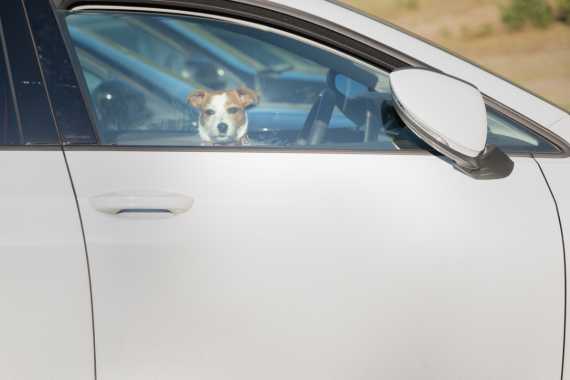
Even on a relatively mild day, temperatures inside a parked vehicle can rise rapidly.
During a heatwave, the interior can become dangerously hot within minutes.
Children, elderly passengers and pets should never be left unattended in a vehicle, even for a short stop at the supermarket, school or petrol station.
What feels like "just a few minutes" can quickly become a serious health risk.
Use your air conditioning properly
Many drivers immediately turn the air conditioning to maximum when they get into a hot car, but there is a more effective way to cool the cabin.
Follow these steps instead:
1. Let the hot air escape
Open all the doors for a minute or two before setting off to release trapped heat.
2. Use recirculation mode first
Once you're driving, activate the air recirculation setting. This cools the air already inside the car rather than forcing the system to cool hotter outside air.
3. Switch to fresh air later
After a few minutes, switch back to fresh air mode so cooler filtered air can enter the cabin.
Using your air conditioning efficiently can:
- Reduce strain on your vehicle's electrical system
- Improve fuel efficiency
- Lower the risk of breakdowns
- Help extend the life of your air conditioning system
Re-gassing an air conditioning system can cost between £50 and £200, so using it correctly could also save you money.
Electric vehicle drivers can pre-cool the cabin
If you drive an electric car, check whether your vehicle has a pre-conditioning feature.
Many EVs allow you to cool the cabin remotely using a smartphone app before you begin your journey.
If your car is plugged in, this energy comes directly from the charger rather than the battery. Even when unplugged, using the feature for a few minutes should have minimal impact on driving range.
Final thoughts
Extreme heat can be just as challenging for drivers as snow and ice.
By carrying emergency supplies, checking your vehicle before every journey and using your air conditioning efficiently, you can reduce the risk of a breakdown and stay safe during the UK's heatwave.
If you're planning a long journey this week, give yourself extra time, stay hydrated and avoid travelling during the hottest part of the day wherever possible.