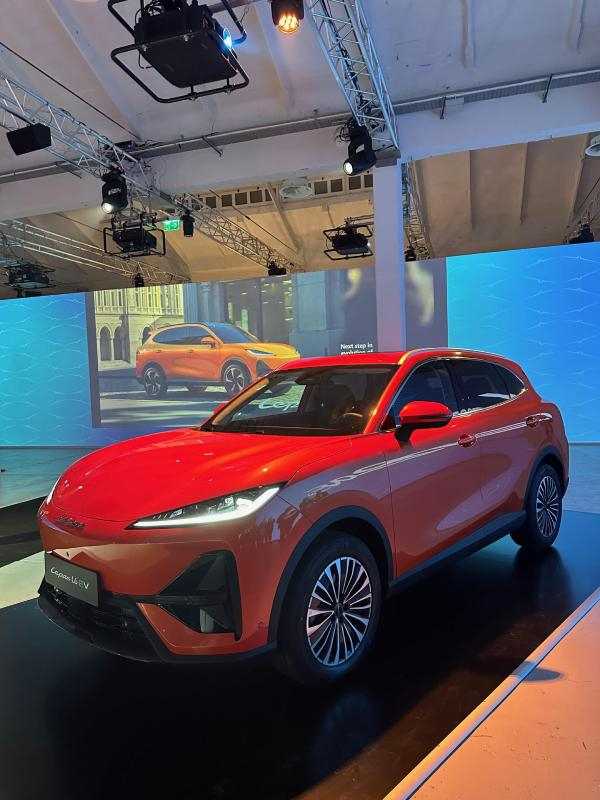
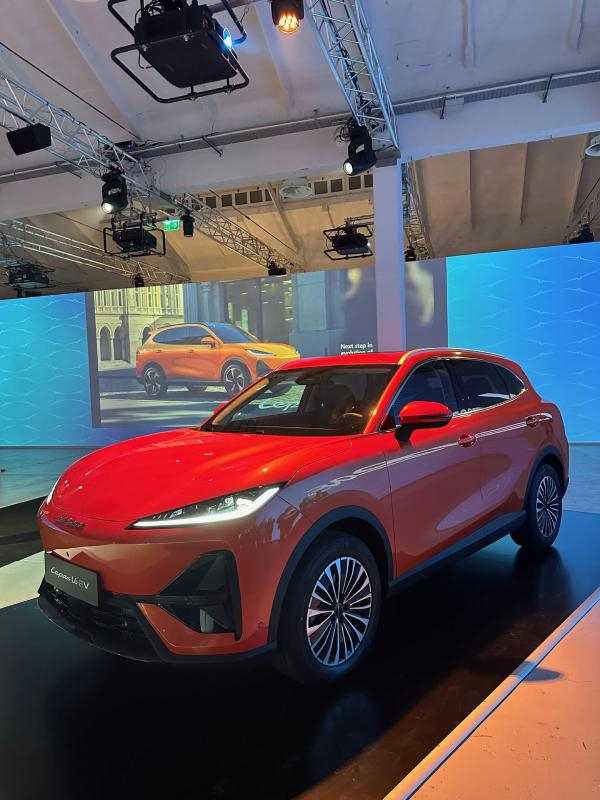
Lepas has made its European debut at Milan Design Week, with the L6 SUV revealed in both Super Hybrid and fully electric (BEV) forms, alongside the larger L8 Super Hybrid SUV.
The launch marked a key step for Lepas UK, following its market entry confirmation earlier in the year. Due in the UK later this year, the L6 pairs efficiency with real-world usability: the Super Hybrid combines a 1.5 litre petrol engine with electric power for a claimed range of over 700 miles. In comparison, the BEV delivers up to 270 miles from a 67kWh battery, with 30–80% rapid charging in around 20 minutes.
Both versions sit on Chery International's new NEV platform, engineered for European roads, while the L6 itself - a five-seat C-segment SUV -showcases the brand's design-led approach and tech-focused cabin.
It's a significant moment for Lepas - a name derived from "Leopard" and "Passion" - aimed at design-conscious buyers seeking a more elevated, technology-led ownership experience.
Against that backdrop, Tim Barnes-Clay spoke to Peter Matkin, Head of Engineering at Chery Group and Lepas lead, to find out whether a new Chinese marque can truly challenge Europe's premium establishment - and what the L6 and L8 need to get right to succeed.

Q: Can a Chinese brand really crack the premium European market, especially in the UK?
A: It's not something that happens quickly. European markets - particularly the UK and Germany - are built on decades of brand loyalty, and customers tend to trust what they already know, often through long-standing dealer relationships.
What we're doing differently is setting our targets higher from the outset. We don't benchmark against entry-level competitors and then work upwards over time - we go straight to premium brands like Audi, BMW, Mercedes-Benz, Tesla and BYD. That creates a different mindset within the engineering teams.
We know we won't win overnight, but by consistently pushing towards those higher standards - in refinement, technology and perceived quality - we can close that gap over time.
Q: Where does Lepas sit within the wider strategy?
A: Lepas is positioned as a more refined, design-led brand within the Chery portfolio. It's aimed at people who want something expressive and premium, but accessible in terms of pricing. We take a more horizontal approach, with different brands appealing to different customer types and lifestyles. Lepas is very much about elegance, design and a more elevated everyday experience.
Q: Doesn't that risk overlap between models and brands?
A: It can look that way from the outside, but internally there's a clear distinction in how each brand is defined - from design language to customer focus. More importantly, customers don't necessarily think in terms of brand hierarchy anymore. They look at the product - the design, the technology, the price - and decide whether it meets their expectations. If it does, they'll consider it, regardless of badge familiarity.
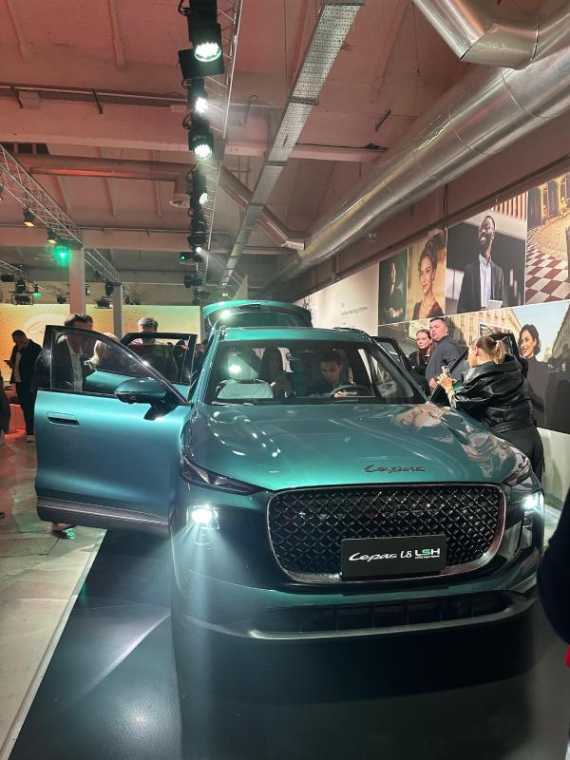
Q: What was the brief for the Lepas L6?
A: The L6 is about delivering something that feels genuinely premium in all the areas customers immediately notice - design, materials and technology - while being firmly rooted in strong engineering fundamentals.
That meant taking a very holistic approach. It's not just about how the car looks in a showroom, but how it performs and feels every day. We focused heavily on refinement - noise, vibration and harshness - as well as ride quality, seating comfort and the overall sense of effortlessness behind the wheel. Those are the things that define whether a car feels truly premium over time.
Q: And the L8?
A: The L8 moves further into the premium space. It offers more interior space, higher levels of comfort and more advanced features, particularly in terms of materials and overall ambience. It's designed to appeal to customers who want a larger, more luxurious SUV, but still with the same focus on usability and efficiency that defines the Lepas approach.
Q: What's different about European tuning?
A: Europe presents a much broader range of driving conditions. Roads are more varied, speeds can be higher, and drivers tend to be more sensitive to things like steering feel, body control and refinement. So we carry out a significant amount of testing and development in Europe - including the UK - to ensure the cars respond in a way that feels natural and confidence-inspiring.
Q: What do the L6 and L8 need to get right in Europe?
A: Ultimately, it comes down to credibility. European customers are very experienced - they know what a good car feels like, and they won't be convinced by marketing alone. So the product has to deliver in every area - ride, refinement, quality, technology and usability. If we can consistently meet those expectations, then over time we can build trust and establish ourselves in the market.