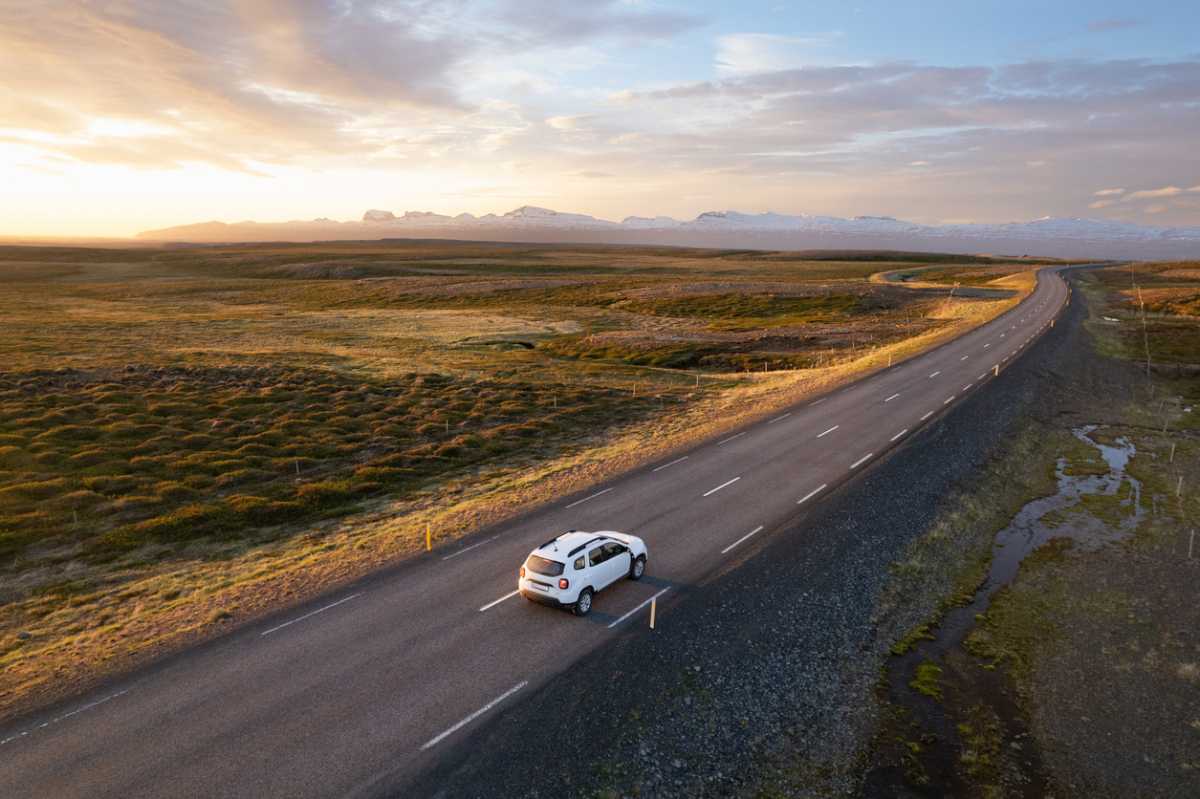
With flight prices remaining high, thousands of Brits are expected to drive to Europe this summer instead of flying.
But before setting off, motorists should make sure they understand the local driving laws. Even experienced drivers could be caught out by lesser-known rules that vary from country to country.
From using sat-navs in France to carrying spare fuel in Portugal, breaking these rules could lead to hefty fines, penalty points or even having your vehicle confiscated.
Experts at car insurance specialist Footman James have highlighted several regulations UK drivers should know before travelling. In some cases, getting it wrong could cost you as much as £12,980.
France: Beware of speed camera alerts

In France, sat-navs are not allowed to show the exact location of speed cameras. They can display general warning zones, but precise locations are banned.
If you're caught using a device that breaks the rules, you could face a fine of up to €1,500 (£1,298). In some cases, police can also confiscate your device and even your vehicle.
French authorities take this offence seriously, so it's best to check your sat-nav settings before you travel.
Germany: Running out of fuel could land you a fine
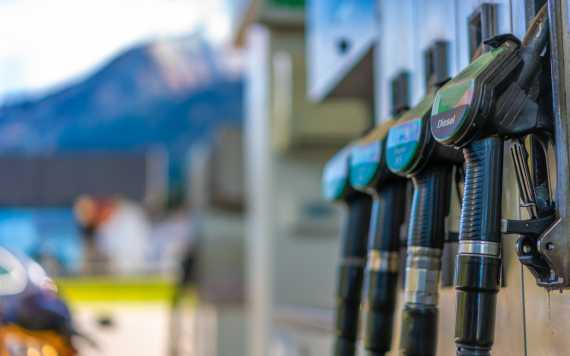
Germany has strict rules about stopping on the Autobahn. Pulling over is only allowed in a genuine emergency.
Running out of fuel is considered avoidable and could result in a fine of between €30 and €70 (£26-£60).
UK drivers may not think twice about stopping on the hard shoulder, but German police actively enforce these rules. Drivers are expected to make sure their vehicle is properly prepared before setting off, including having enough fuel and correctly inflated tyres.
Portugal: Don't carry a spare petrol can
In Portugal, carrying a spare can of petrol in your car is illegal.
What might seem like a sensible precaution could lead to fines ranging from €1,500 to €15,000 (£1,298-£12,980).
Police can class spare fuel containers as a safety risk, and in some cases, drivers could even have their licence suspended.
Finland: Headlights must stay on at all times
Drivers in Finland are legally required to keep their headlights on at all times, including during daylight hours and when the vehicle is stationary.
If another driver flashes their headlights at you, it could mean several things. Your lights may be off, there could be an accident or roadworks ahead, or there may be wildlife on the road, such as a moose.
If this happens, reduce your speed and stay alert.
Switzerland: Carry a spare pair of glasses
If you need glasses or contact lenses to drive in Switzerland, you must carry a spare pair with you.
Drivers who fail to do so could receive an on-the-spot fine ranging from 20 to 500 Swiss francs (£19-£473).
You'll also need to display a UK identifier on your vehicle. This can be a UK sticker or a UK badge on your number plates.
Tyre laws vary across Europe
Tyre regulations differ between countries, so it's important to check the rules before you travel.
France, Belgium, the Netherlands and Poland require a minimum tyre tread depth of 1.6mm and do not require winter tyres.
Germany also has a minimum tread depth of 1.6mm, but winter tyres are compulsory in snowy or icy conditions.
In Spain, drivers must carry either a spare wheel or a puncture repair kit.
Check your insurance before you go
Samantha Smith, Head of Specialist Leisure at Footman James, said:
"Driving in Europe can be a fantastic experience, particularly for those planning a road trip. However, rules can vary significantly between countries, and some may come as a surprise to UK drivers.
"It's also important to check your car insurance before you travel. Make sure you have the right level of cover and check whether there are any mileage restrictions that could affect your trip.
"Spending a little time preparing before you set off can help ensure a safer, smoother and more enjoyable journey."