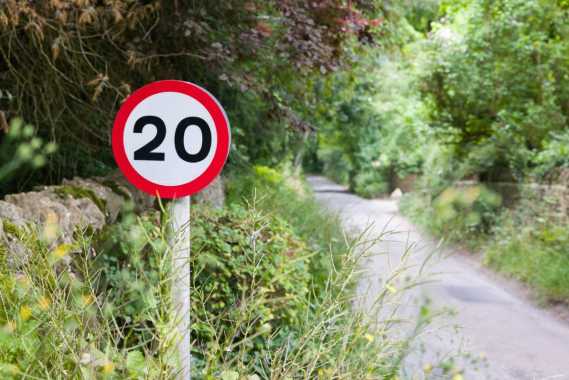
The number of miles of road subject to a 20mph speed limit on roads controlled by Transport for London (TfL) has more than tripled since 2021, according to newly released figures.
Data obtained through Freedom of Information laws shows that around 50 miles of TfL-controlled roads had a 20mph limit in 2021. By March this year, that figure had risen to 166 miles.
The increase means that almost half of the approximately 360 miles of highways controlled by TfL across Greater London are now subject to a 20mph limit.
The figures come as London Mayor Sadiq Khan continues to expand his Vision Zero programme, which aims to eliminate deaths and serious injuries on the capital's roads.
Why are more London roads being limited to 20mph?
The expansion of 20mph zones is intended to improve road safety by reducing vehicle speeds and the severity of collisions.
TfL says its research shows that 20mph schemes have contributed to a 34 per cent reduction in the number of people killed or seriously injured on borough roads following their introduction.
However, the policy remains controversial among motorists.
Critics argue that 20mph limits are increasingly being introduced on roads where they believe higher limits would be appropriate. They also say the growing number of lower speed zones can make it harder for drivers to know which limit applies, particularly when travelling between different parts of the capital.
Most of the roads that have been reduced from 30mph to 20mph were previously subject to the higher limit.
The expansion in London is also significant because the capital has become an example of how 20mph limits could be used more widely elsewhere in England, particularly on residential roads.
More drivers caught by speed cameras
The growth in 20mph zones has coincided with a significant increase in the number of drivers being caught speeding.
Figures obtained from police forces earlier this year showed that 21,125 motorists were caught by speed cameras in 20mph zones across the country in 2023. That figure rose to 127,915 in 2025.
Data from 22 police forces showed that almost 250,000 motorists were caught speeding in 20mph areas during the period covered by the figures.
The increase has fuelled criticism from some motorists and political opponents, who argue that drivers are increasingly being penalised by lower speed limits.
Speeding penalties are paid to the Treasury, including fines issued on roads controlled by TfL.
London's wider changes for motorists
The expansion of 20mph zones is just one of several changes affecting drivers in London under Mayor Sadiq Khan.
The Ultra Low Emission Zone (ULEZ) was expanded across Greater London in 2023. Drivers of vehicles that do not meet the required emissions standards can face a daily £12.50 charge.
The Congestion Charge has also increased, with the daily rate reaching as much as £21, while new charges have been introduced for some river crossings, including the Silvertown Tunnel.
TfL has also seen a sharp increase in revenue from bus lane enforcement.
Last year, TfL reportedly collected £6.6 million from 54,761 motorists who were issued penalties for entering bus lanes. This was up from £4.3 million and 29,423 drivers the previous year.
For motorists, the combination of lower speed limits, emissions charges, road tolls and enforcement measures has made driving in London increasingly different from driving elsewhere in the UK.
What does TfL say?
TfL maintains that lower speed limits are an important part of its approach to improving road safety.
A TfL spokesperson said its evidence shows that 20mph speed limits save lives, pointing to research showing a 34 per cent reduction in people killed or seriously injured on borough roads after 20mph schemes were introduced.
The wider debate is likely to continue as more roads adopt lower limits.
For drivers, the key point is simple: 20mph zones are becoming increasingly common across London, making it more important than ever to check the speed limit when entering a new area and to pay close attention to road signs and markings.