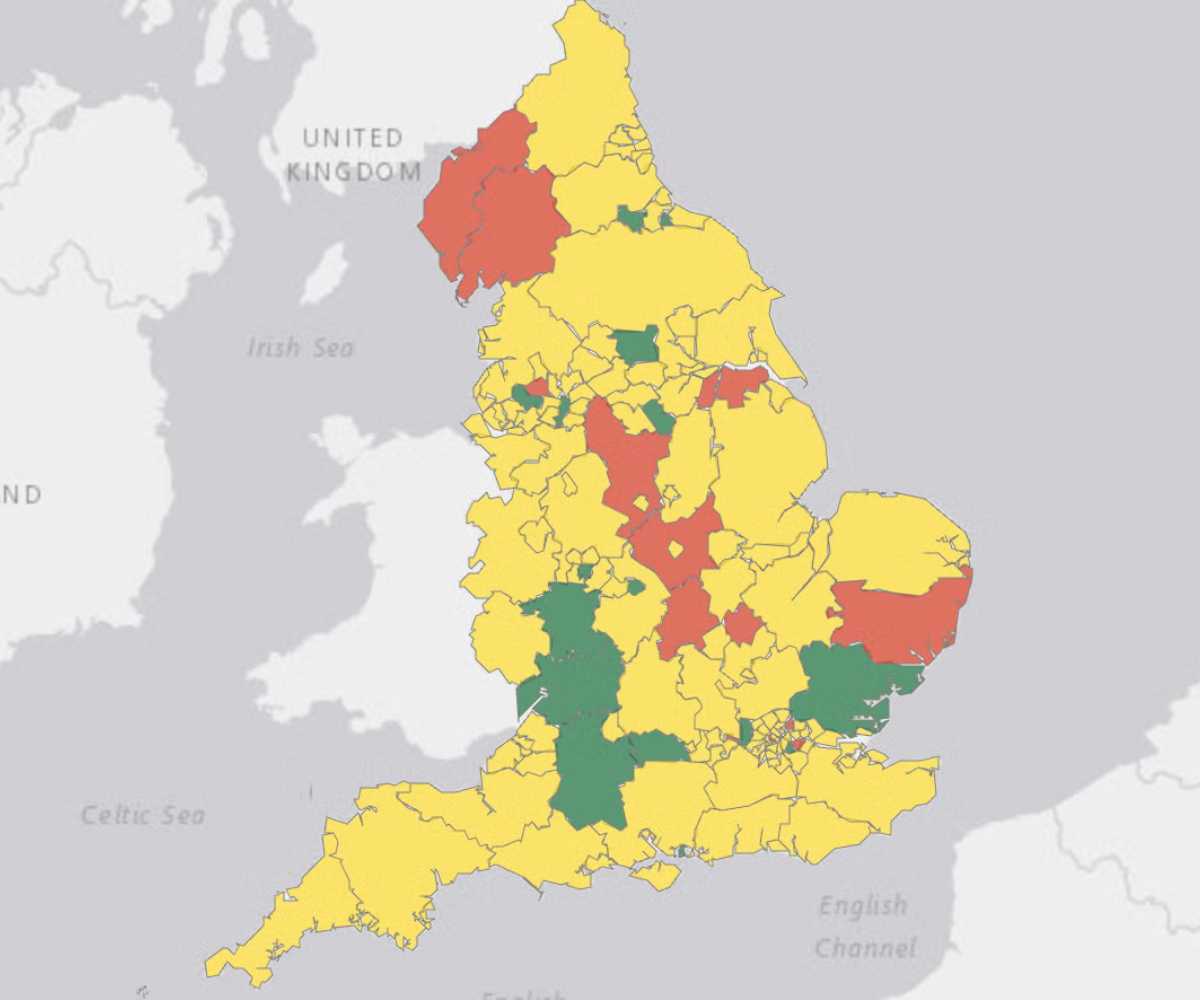
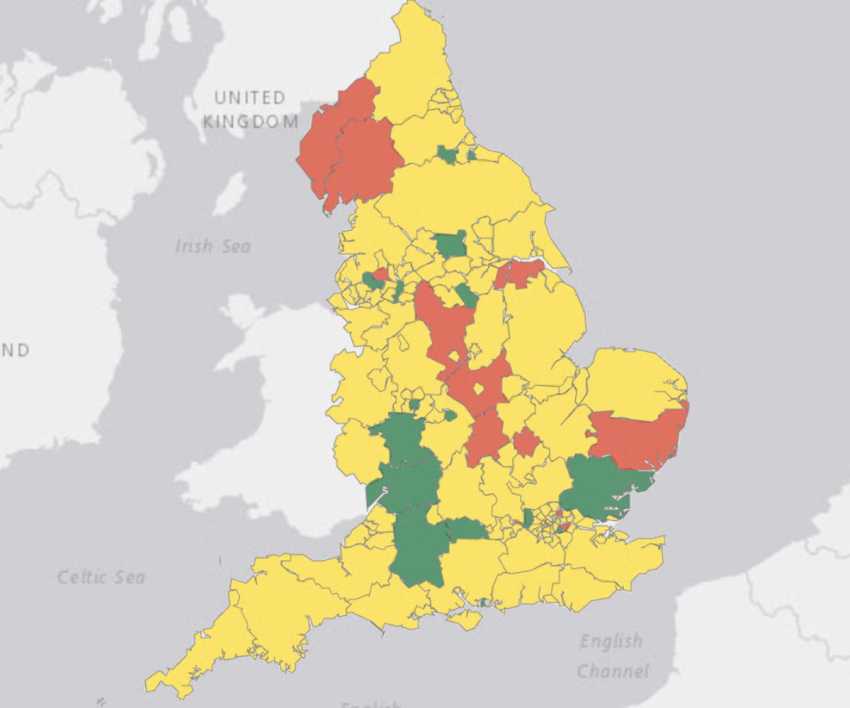
Drivers across England now have a way to assess their local council's performance in maintaining roads and fixing potholes. The Department for Transport has introduced a new transparency initiative featuring a colour-coded rating system that evaluates 154 local highway authorities based on road conditions and their management of government funding.
How the Rating System Works
The system uses three categories - green, amber, and red - to classify each authority's performance. While most councils have received an amber rating, indicating room for improvement, a concerning number have been marked red. These struggling authorities include Cumberland, Bolton, Leicestershire, Suffolk, and Kensington and Chelsea.
In contrast, councils earning green ratings, such as Essex, Wiltshire, Coventry, Leeds, and Darlington, have demonstrated commitment to best practices. Rather than simply patching potholes temporarily, these authorities invest in long-term preventative strategies and maintain consistently good road conditions. This distinction is particularly important given that 62% of drivers who have travelled in Europe think UK roads are in worse condition, highlighting the need for sustained improvement across all authorities.
Support and Investment for Struggling Councils
The government is backing this initiative with significant financial support. Red-rated authorities will receive dedicated assistance worth £300,000 to help them adopt best practices and improve their performance.
The broader investment is substantial too. For the 2025/26 financial year, the government allocated nearly £1.6 billion for local road maintenance - a £500 million increase from the previous year. Looking ahead, the government has committed £7.3 billion over four years through 2029/30.
The Real Cost of Poor Road Maintenance
The stakes for drivers are high. Potholes cause an estimated £590 in repairs for typical damage beyond punctures, including issues with shock absorbers, suspension springs, and wheel alignment. According to surveys, fixing potholes ranks as the top transport priority for 96% of AA members.
Stakeholder Reactions
Transport Secretary Heidi Alexander emphasised the government's commitment: “For too long, drivers have paid the price because our roads were left to deteriorate.
“I have heard time and again their frustration on footing the bill because they hit a pothole – money they should never have to spend in the first place.
“We’ve put our money where our mouth is, increasing the funding for local highway authorities with £7.3 billion to fix roads and given them the long-term certainty they have been asking for.
“Now it’s over to them to spend the money wisely, and for the first time we are making sure the public can see how well councils are doing in delivering the improvements they want to see in their local area.
“This Government’s record investment will save drivers money on repairs, make roads safer and help restore pride in our communities.”
Cycling advocates also welcomed the move, with British Cycling noting that the ratings system helps cyclists understand how well their councils maintain the routes they depend on daily.
However, not everyone is convinced the initiative goes far enough. Opposition critics argue that transparency alone won't prevent tyre damage or fix broken suspensions, calling instead for more concrete action to support struggling motorists. Recent data shows that pothole-related breakdowns have surged by a quarter, underscoring the urgency of the problem.