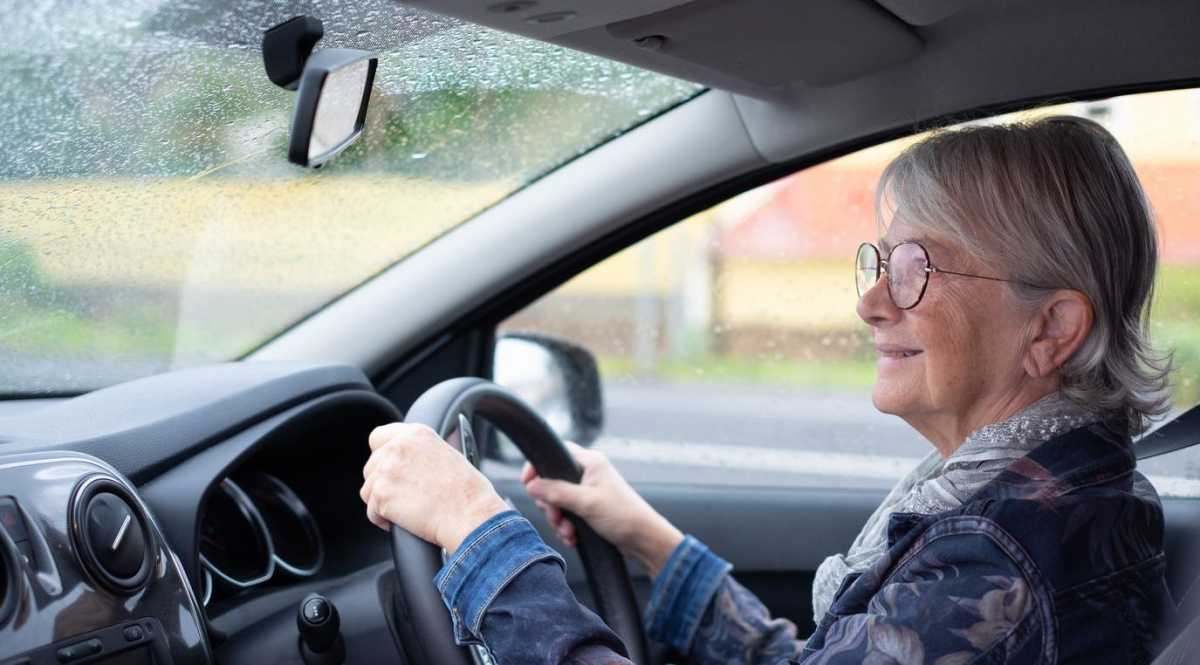
Significant changes are coming to how older drivers maintain their licenses. Under newly proposed regulations, motorists aged 70 and above will be required to undergo regular vision assessments as part of their licensing requirements, a shift that marks a departure from the current self-reporting system.
Why the Change?
The driving force behind this policy overhaul comes from concerns raised by coroners and safety officials. They have expressed serious reservations about the existing framework, which allows senior drivers to self-report vision problems directly to the Driver and Vehicle Licensing Agency (DVLA). According to these experts, the honour system creates vulnerabilities that could potentially be exploited, leaving public safety at risk.
What This Means for Older Drivers
Under the new framework, seniors will no longer be able to rely on self-assessment when it comes to reporting visual impairments. Instead, they'll need to have their eyesight professionally evaluated every three years to ensure they meet the necessary standards for safe driving.
This mandatory testing approach aims to provide an objective measure of driving capability, reducing the possibility of drivers with compromised vision remaining on the road undetected.
Moving Forward
The proposed changes represent a more proactive approach to road safety, prioritising comprehensive medical oversight rather than individual discretion when it comes to age-related driving capabilities.