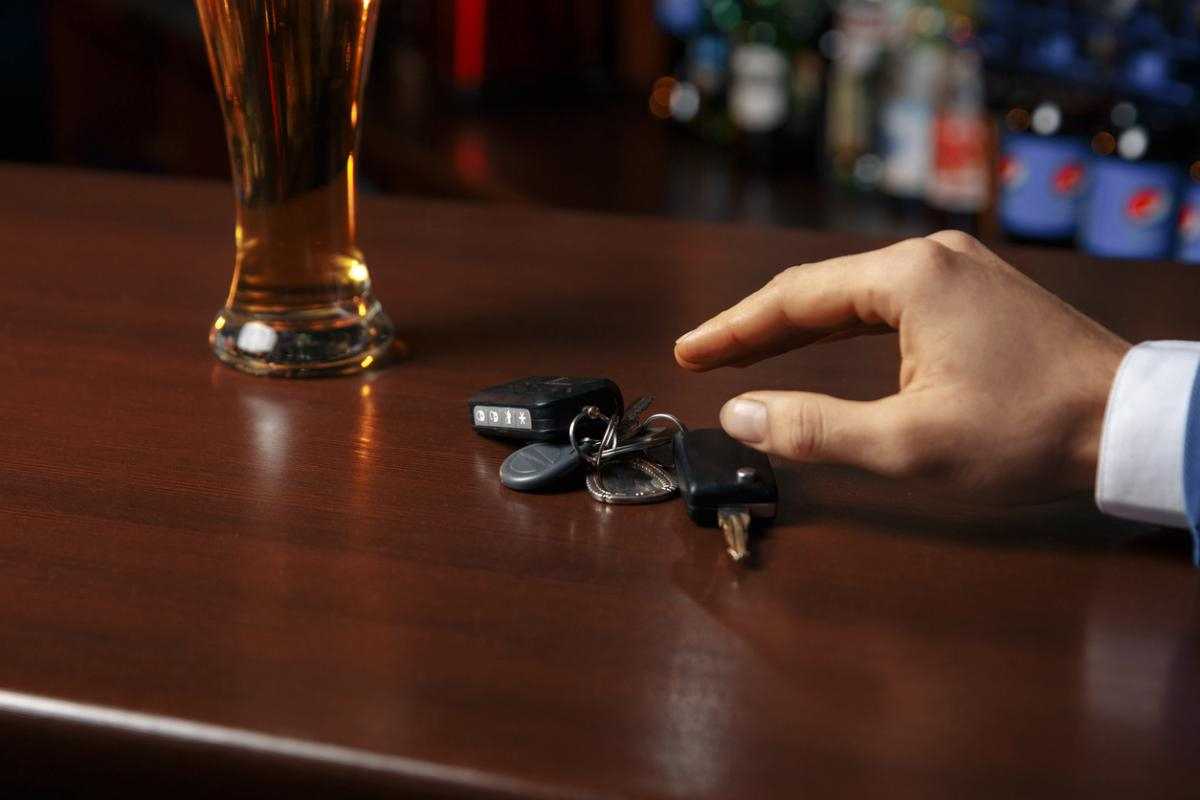
Nine in ten people in Britain think drink-driving laws should be tougher, according to new research, as the Government’s road safety consultation enters its final weeks.
A survey of 2,000 adults by breathalyser firm AlcoSense found that 87% believe current laws don’t go far enough to stop people getting behind the wheel after drinking.
The consultation, which closes next month, is gathering views on a range of proposals aimed at improving road safety. These include regular eye tests for drivers over 70, a minimum six-month learning period before taking a driving test, more safety tech in new cars, and penalties for drivers whose passengers don’t wear seatbelts.
When it comes to drink-driving, there’s clear appetite for change. More than three-quarters (78%) of those surveyed want the current limit of 80mg of alcohol per 100ml of blood reduced. Around a third would support a 50mg limit – matching Scotland – while half think it should be lowered further to 20mg or even zero.
England and Wales currently have one of the highest legal limits in Europe. Reports suggest ministers are leaning towards a 50mg cap, bringing rules in line with Scotland and countries like France. At that level, even a single pint could put drivers over the limit.
There are also discussions about introducing stricter rules for new drivers. In countries like Sweden, where the limit is 20mg, the system is effectively zero tolerance, as even small amounts of alcohol can trigger a failed breath test.
Latest figures from the Department for Transport show 260 people were killed in drink-drive crashes in 2023, with a further 6,310 injured.
Ministers see cutting drink-driving as one of the most effective ways to reduce road deaths, which have stayed relatively unchanged for years.
Hunter Abbott, managing director at AlcoSense, said the results point to a clear shift in attitudes. Many people now see the current system as too lenient and want both tougher limits and stronger enforcement.
That’s especially true for higher-risk groups. Around two-thirds of those surveyed said commercial drivers and new drivers should face a 20mg limit or zero tolerance.
Enforcement also matters. More than half (58%) said the best way to tackle drink-driving is to combine lower limits with stronger policing, rather than relying on one approach alone.
There’s also strong support for tougher action in serious cases. More than eight in ten people said drivers involved in fatal or serious drink- or drug-driving incidents should have their licence suspended while they await court.