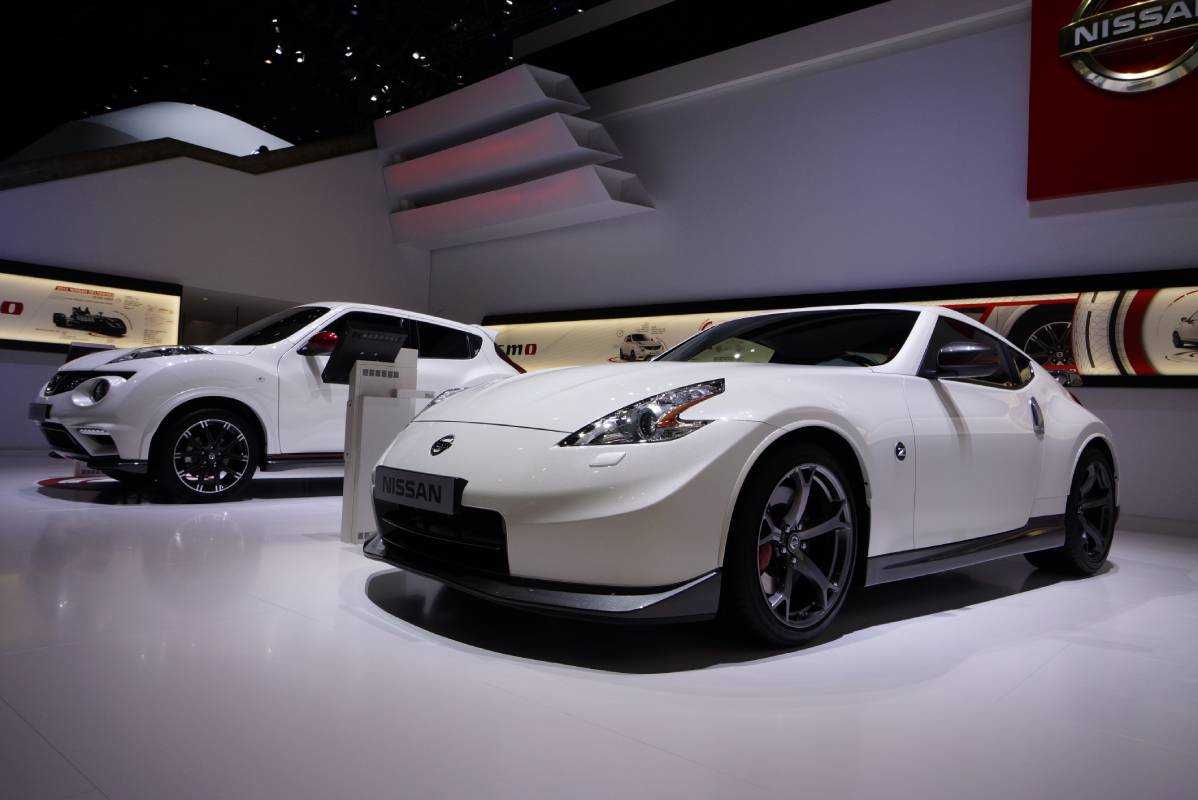
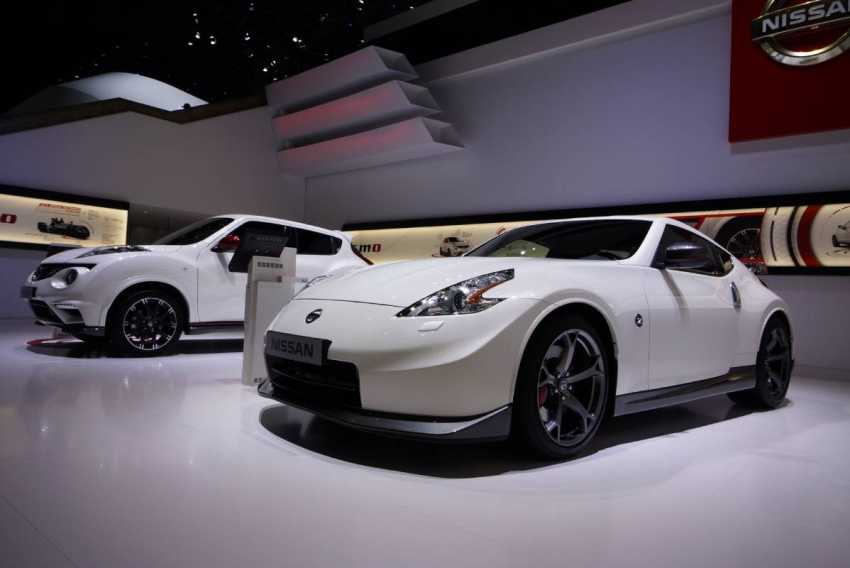
Nissan, a name even people who couldn't give a fig about cars have heard of, has carved its place in motoring history, writes journalist Tim Barnes-Clay.
It has produced a diverse lineup of vehicles that resonate with car enthusiasts worldwide.
From the ever-so humble Micra to the testosterone-dripping Skyline, Nissan's cars reflect the continually changing landscape of automotive design and technology.
Let's go on a trip through just some of the models that have come to define Nissan, with a focus on those that have made an impact in the United Kingdom.
Before we begin, it’s important to note that Nissan cars were initially known as Datsuns. People of my Gen X peer group will remember them. Especially the Datsun 120Y. They seemed to be everywhere in the 70s. A friend's father had an orange one - then a white one - he was obsessed with them. It's funny how some things like that from childhood stick in your head. I reckon it's because my dad had a British-made Marina and then a Maxi - so the Japanese 120Y seemed vaguely exotic to me at the time.
Anyway, I digress. The history of Nissan dates back to 1914 when Kwaishinsha Motorcar Works introduced its very first automobile, the "DAT" car. "DAT" is an acronym for the three founders of the company: Kenjiro Den, Rokuro Aoyama, and Meitaro Takeuchi.
Fast-forward to 1931, and the company introduced a new, compact 495cc model, which was known as the "Datson" as a way of indicating that it was a descendant of the original DAT.
The word "Datson" was changed to "Datsun" by 1932. The word "son" in Japanese can also be interpreted as "loss" or "damage," and the designers felt that this was not a good omen for the vehicle. The last part of the word was later changed to "sun," a more positive and uplifting term related to the Japanese flag.
When Nissan Motor Co., Ltd. took over the company in 1934, it retained the Datsun name for its popular smaller vehicles, especially in export markets from 1958, while the Nissan name was reserved for the parent company and larger models.
However, the Datsun moniker was eventually phased out in the UK in 1984 - and other countries by 1986 - as Nissan sought to unify its product identity across the globe. That said, the Datsun brand was revived as a line of affordable compact cars from 2013 until 2022.
Anyway - let's skip back a bit. In the 1960s, the popularity of the Datsun marque was spreading across the world, including Great Britain, especially after the introduction of the 510 series, sold as the Datsun 1600 Bluebird or 1300/1400 in the UK. It was great mechanically, but it rusted - as many cars did back then - so hardly any exist today, especially given the damp UK climate!
Then, in 1971, the Datsun 240Z revolutionised the sports car industry with pant-moistening performance, reliability, and fearsome looks compared with the established European competition, such as Porsche. Although the 240Z was an instant hit with massive sales, this Datsun, like many motors of the era, was again marred by severe rust problems, making original examples very rare today.
But corrosion aside, Datsun, under a chap called Octav Botnar, became a major player in the UK market, and the 240Z served as a "halo" car to help raise the brand image.
At the same time, the little Datsun Cherry 100A was also a huge sensation. When the diminutive Cherry arrived in ‘71, it drove smoothly and was reliable, so it sold like hotcakes - before inevitably rusting away. Again, it’s a car I remember so well from my very early childhood. This was one of the models that, like today's flood of Chinese cars into Britain, paved the way for the Japanese invasion of the UK motor market in the 70s.
Then, the earlier-mentioned Datsun 120Y kicked in around 1973. This was a compact car that was quite useful for the masses; therefore, it contributed greatly to the popularity of the Datsun brand in the UK in that decade known for disco and then punk rock - oh, and space hoppers.
Skipping to the decade of neon fashion, shoulder pads, and MTV - yes, the 1980s - the Micra quickly became a staple in the city car segment, particularly here in Blighty from 1983.
Originally launched as a Datsun and later as a Nissan, it was recognised for its compact, utilitarian shape. It has, like "Doctor Who", undergone several regenerations over the years, yet it still retains its friendly, unpretentious personality. It was an instant best-seller, and now in its sixth generation, it's still in production today, albeit in electric form.
Of course, the Nissan Skyline gained legendary status among enthusiasts worldwide, especially in the UK. The Skyline GT-R became known as "Godzilla" for its dominating performance on both the streets and motorsports arenas.
It was, and still is, seen as Japan's most celebrated supercar, and officially arrived in Britain in 1997, although the model of the time had been on sale in its home country since 1995. With oodles of motor racing victories to its credit, the Skyline dominated Japanese and international motorsport from 1969, including 24-hour race wins at Spa and the Nürburgring.
Back in the 90s, it featured the world's most advanced chassis with computer-controlled four-wheel drive, four-wheel steering, and a limited-slip differential, making it one of the best-handling and most rewarding cars to drive on either road or track.
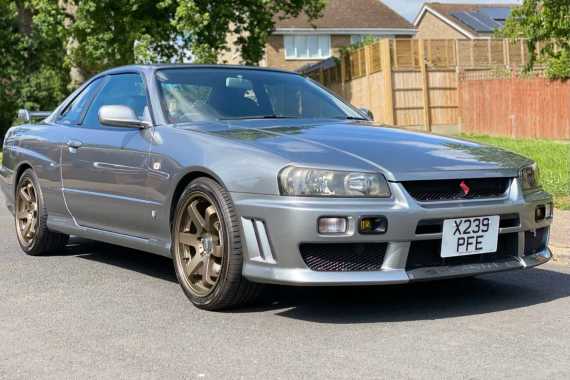
Power came from a 280PS, 2.6 litre engine. This six-cylinder, 32-valve unit had twin turbochargers to give the Skyline blistering performance – 0-60mph in 5.4 seconds - and up to 155mph.
Stricter safety and emissions regulations forced the end of the legend, with production of the latest GT-R incarnation ceasing in 2025.
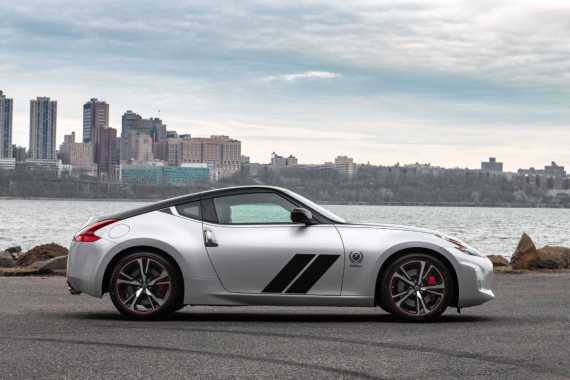
There are plenty of other vehicles worth mentioning, like the Nissan 350Z from the noughties - a stylish two-door sports car - and its successor, the 370Z. However, space is limited in this piece, and we definitely need to cover the Qashqai before we wrap up.
At first glance, the Qashqai might seem like just another family car, but there's much more beneath its unremarkable exterior. This model has gained immense popularity, consistently ranking among the UK's top-selling cars since its debut in early 2007. It has played a pivotal role in the popularity of SUVs within the British automotive landscape.
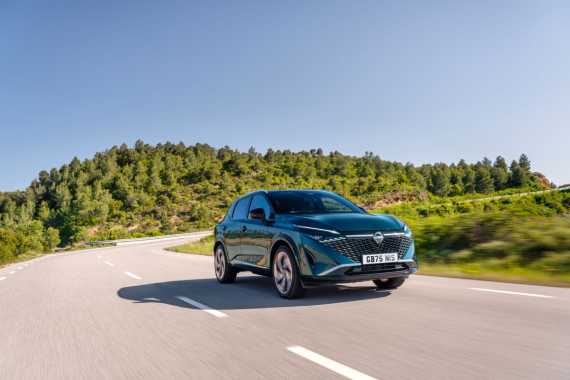
Before the introduction of the Qashqai, most SUVs were genuine off-road vehicles. However, the trend of affluent city dwellers purchasing flashy 4x4s for urban driving - dubbed "Chelsea Tractors" - opened the door for a new kind of SUV, appealing to everyday families looking for a taste of the high life.
With the arrival of the Qashqai, the automotive industry saw a shift as crossover SUVs began to supplant traditional family hatchbacks in popularity.
Adding to the Qashqai's charm, it's been built in northeast England since 2006. It has stood the test of time, and the latest version - a refreshed take on its third-generation model - continues to thrive.
There you have it – we've only scratched the surface of Nissan's extensive range over the years. We didn't even touch on NISMO (Nissan Motorsports International), Nissan's dedicated motorsports and high-performance vehicle division, which develops race-inspired road cars. However, we trust you found our brief exploration of some models to be engaging. We eagerly anticipate what Nissan will unveil in the future.