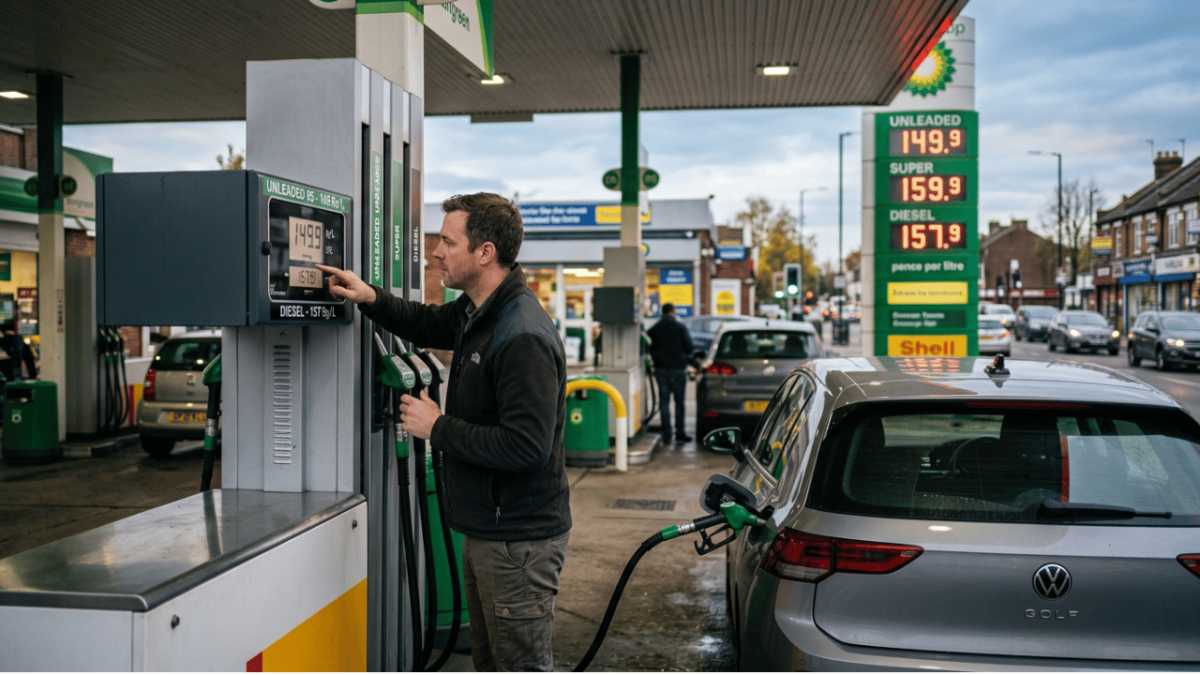
TL;DR UK fuel prices are forecast to fall significantly over the next fortnight, with petrol expected to hit 148p and diesel below 160p per litre. This drop is driven by Brent crude falling below $83 a barrel and increased retail transparency, offering relief to drivers.
Key Facts:
1. Brent crude oil prices have dipped below $83 a barrel, the lowest since early March.
2. Wholesale fuel costs have plummeted by approximately 20% recently.
3. RAC predicts petrol will hit 148p and diesel will drop below 160p within the next two weeks.
4. Petrol prices in Northern Ireland have already seen a reduction of over 4p per litre.
5. Diesel in the North East has decreased by nearly 7p per litre, signaling wider UK trends.
UK Fuel Price Forecast: Relief for Drivers as Petrol and Diesel Set to Drop
Recent developments suggest a significant shift in UK fuel prices, offering much-needed relief to drivers. Brent crude, a key global oil benchmark, has fallen below $83 a barrel, marking its lowest point since the beginning of March. This decline is largely attributed to easing geopolitical tensions in the Middle East and the emergence of a peace framework in the region.
What this means for drivers is a positive outlook for the cost of filling up. This reduction in crude oil prices directly impacts wholesale fuel costs, which have reportedly plummeted by around 20% in recent weeks. However, many drivers are still wondering why they haven't seen these savings at their local pumps yet.
Retail Lag: Why Your Local Station is Still Expensive
The current situation is characterised by a typical 'retail lag'. Petrol stations often hold bulk stock purchased at previous, higher wholesale rates. It generally takes two to four weeks for these new, lower wholesale costs to translate into cheaper pump prices for consumers. While this waiting period can be frustrating, the downward trend is firmly established and moving towards the forecourts.
RAC Fuel Price Predictions: Good News on the Way
According to the latest RAC fuel price predictions, drivers can anticipate significant drops in the coming fortnight. Petrol is expected to reach 148p per litre, while diesel is set to fall below 160p per litre. This forecast marks a welcome change, considering petrol was pushing 160p per litre not long ago. For context, filling a standard 55-litre family car was costing around £15 more than it should have been. Holding off on a full tank for another week or so could genuinely save you a tidy sum.
Regional Differences: Northern Ireland and North East Lead the Way
Interestingly, the geographical location within the UK currently plays a significant role in fuel pricing. Drivers in Northern Ireland and the North East are already experiencing the benefits of these falling prices. Petrol in Northern Ireland has already dropped by over 4p per litre, and diesel in the North East has seen a reduction of nearly 7p per litre. These areas often act as an early indicator for wider UK trends, suggesting that similar price reductions will soon reach other regions across the country.
Government's Fuel Finder Scheme: Boosting Transparency
The Government’s Fuel Finder scheme deserves credit for its role in this positive shift. Historically, retailers faced accusations of 'rocket and feather' pricing rapidly increasing prices but slowly decreasing them. Now, with the ability for drivers to compare live local fuel prices on their phones, retailers are being compelled to operate with greater transparency. This increased market visibility is a crucial factor in the current optimistic UK fuel price forecast, ensuring that savings from wholesale costs are passed on to the consumer more efficiently. While global markets can remain volatile, the current trajectory for UK fuel prices is finally moving in a favourable direction for drivers.