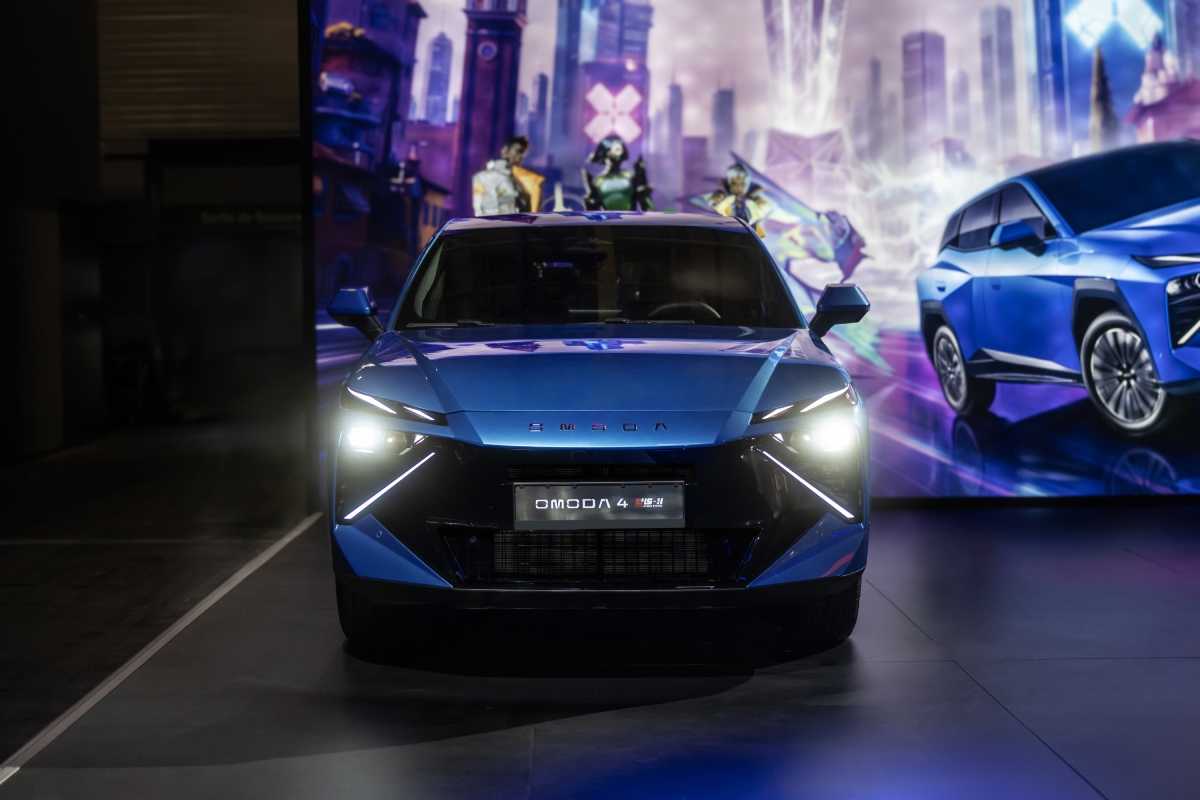
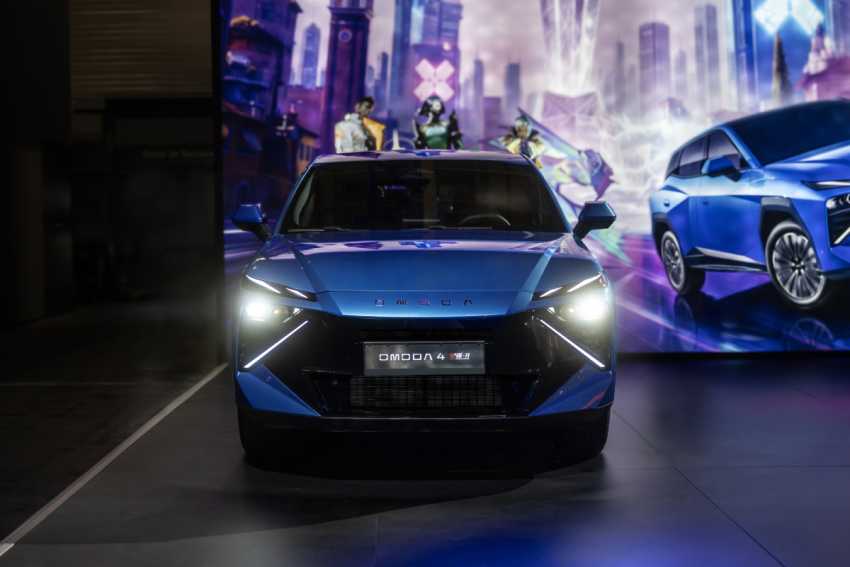
Omoda will add a fourth model to its UK line-up next year with the arrival of the new Omoda 4, an angular crossover expected to start at less than £25,000.
Positioned below the Omoda 5, 7 and 9, the newcomer will become the entry point to the range. It shares its underpinnings with the similarly sized Jaecoo 5, from fellow Chery-owned brand Jaecoo, but adopts a more aggressive design.
Unveiled at the Paris Motor Show, the Omoda 4 will offer a choice of full-hybrid and fully electric power. The hybrid is expected to arrive first, giving buyers a more affordable route into electrified motoring without requiring access to home charging.
Omoda 4 price and UK launch
Omoda expects the 4 to start below £25,000 when it reaches UK showrooms in 2027. That would put it in the same broad price bracket as popular small crossovers, although final prices and UK specifications have yet to be confirmed.
Its key rivals will include the Nissan Juke, Renault Captur and Skoda Kamiq. The electric version will sit in a different price bracket, with an expected starting price closer to £27,000.
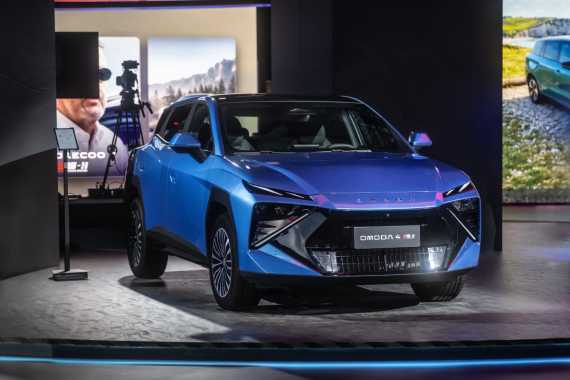
That makes the Omoda 4 an interesting addition to a crowded market. Buyers will have the choice of a conventional hybrid-style driving experience or a fully electric alternative, depending on their budget and charging arrangements.
Omoda 4 hybrid engine and performance
The hybrid version is expected to pair a 1.5-litre petrol engine with an electric motor, producing a combined 221bhp according to the figures announced so far.
That is a healthy amount of power for a compact family crossover, although the final performance figures and official fuel economy are still to be confirmed. The larger Jaecoo 5 hybrid is officially claimed to return around 52mpg, giving a useful reference point for the sort of efficiency Omoda may be targeting with its smaller model.
The Jaecoo 5 is also available with a pure-petrol engine, but Omoda has yet to confirm whether the 4 will offer a similar option.
For drivers who want electrified motoring without planning every journey around charging stops, the hybrid looks like the sensible starting point. Its appeal will ultimately depend on the final price and real-world economy.
Omoda 4 electric range and battery
The fully electric Omoda 4 is expected to use a 61kWh battery, with a claimed range of around 248 miles on a charge.
That would make it a practical option for everyday commuting and regular longer journeys, although the final UK range figure and charging speeds remain unconfirmed. Charging performance will be an important part of the equation, particularly for buyers comparing it with established electric crossovers.
At an expected price of around £27,000, the electric 4 will compete with models such as the Renault 4 and Ford Puma Gen-E. The final specification will determine how convincing that value proposition turns out to be.
Omoda 4 interior and design
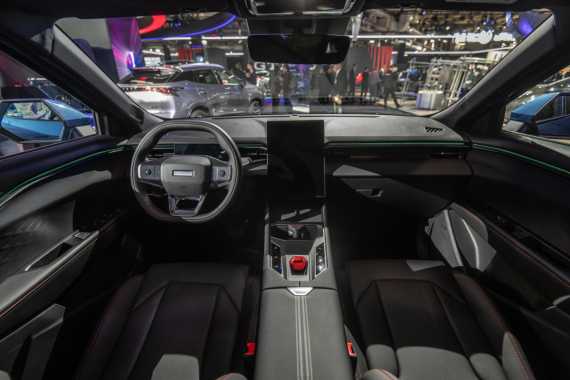
The Omoda 4 takes a sharper approach to styling than the larger models in the range. Its angular exterior gives it a sportier appearance, while the cabin features a prominent centre console with a control layout inspired by sports cars.
There is even an ignition button reminiscent of the sort found in a Lamborghini, alongside carbonfibre-effect trim. It is an attention-grabbing approach for a car expected to sit near the budget end of the compact crossover market.
The dashboard follows the familiar Chinese-car trend towards digital displays and minimal physical buttons, with artificial intelligence features also forming part of the technology offering.
That could give the Omoda 4 plenty of showroom appeal, although the quality of the infotainment system, ease of use and everyday cabin practicality will matter more to owners over time.
Omoda 4 verdict
The Omoda 4 looks like a promising addition to the UK's small crossover market. A hybrid version with 221bhp and an entry price below £25,000 could make it an appealing alternative to established petrol and hybrid models, while the electric version should attract buyers looking for an affordable family EV.
The big unknowns are the final UK prices, real-world efficiency, charging speeds and how well the cabin technology works in everyday use. Until those details are confirmed, it is too early to call it a class leader.
The hybrid has the strongest chance of making an immediate impact, provided Omoda delivers competitive fuel economy and keeps the price firmly below £25,000. The electric version could be equally tempting, but it will need the range and charging performance to back up its price tag.