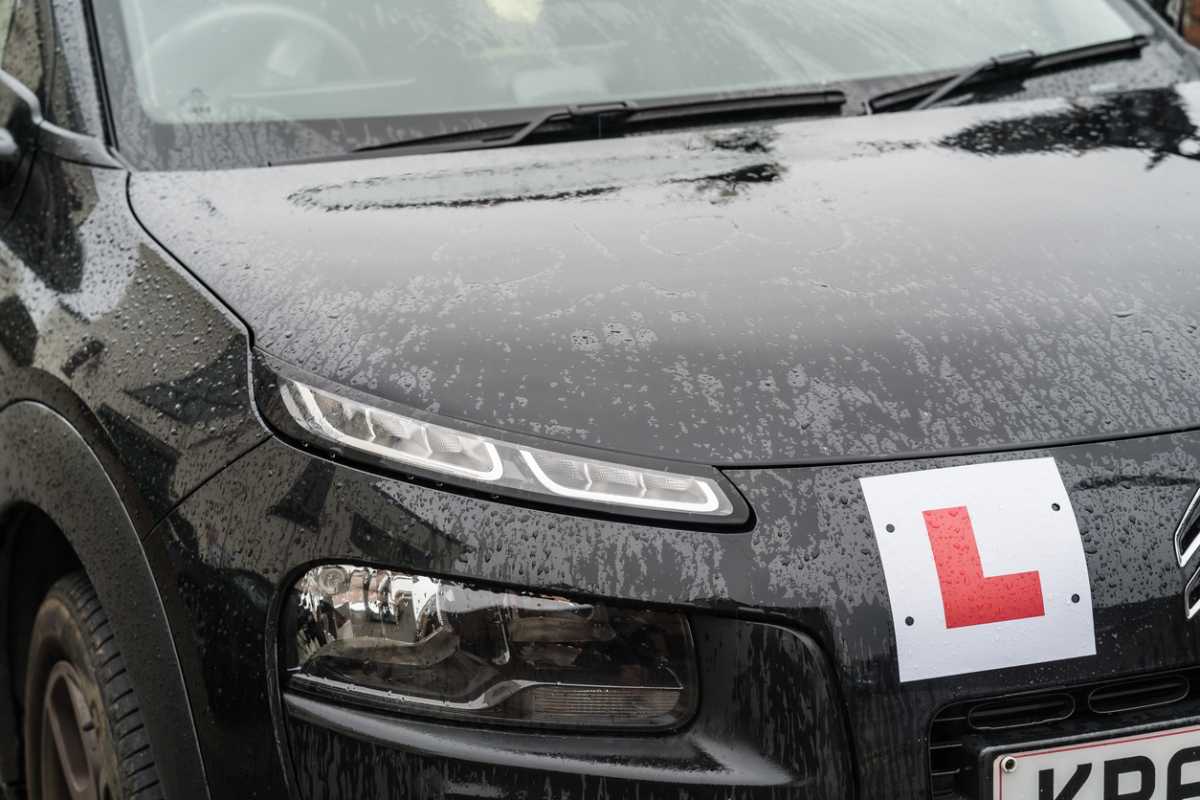
More families across the UK are stepping in to help learner drivers build experience outside of formal lessons, driven largely by rising costs and limited instructor availability. But new research suggests this shift is introducing a different challenge: managing emotions and behaviour in the passenger seat.
A survey of 1,000 UK parents found that 57% worry about passing on driving habits that could affect their child’s chances of passing the driving test. One in ten specifically say they fear they may pass on road rage or aggressive driving behaviours during supervised practice.
On average, parents are spending just over three hours a week supporting learner drivers at home, forming part of a growing “blended learning” approach that combines professional instruction with private practice.
Pressure, habits and tension in the passenger seat
The most common concern among parents is speeding, with 18% worried their own habits could be passed on. Other key concerns include not consistently checking mirrors or blind spots (15%), poor parking or spatial awareness (13%), and road rage or aggressive reactions (10%).
Additional behaviours parents fear they may unintentionally pass on include:
- Incorrect or inconsistent use of indicators (10%)
- Harsh or late braking (9%)
- Tailgating (8%)
- Distracted driving habits (8%)
- Over-reliance on driver assistance systems (8%)
- Unsafe lane changes (7%)
- Ignoring road signals (5%)
Beyond driving habits, the emotional side of supervision is also a factor. More than a third of parents (38%) say they have argued with their child during practice sessions.
The most common triggers include learners not listening to instructions (41%), disagreements over speed control (26%), nerves and confidence issues (21%), and tone of voice from either party (21%). Issues around mirrors, decision-making, gear changes and lane discipline also feature regularly.
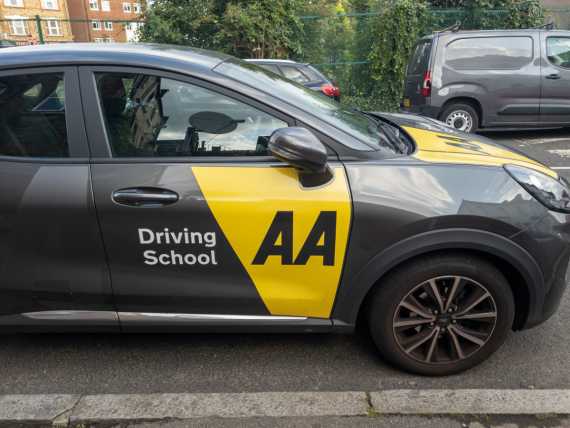
The data points to a familiar problem: supervising a learner driver requires clear communication under pressure, often between people with a close personal relationship rather than a formal instructor-student dynamic.
A two-way learning experience with confidence under pressure
Interestingly, the learning process is not one-directional. More than half of parents (53%) say their children have corrected them on Highway Code rules or driving theory during practice.
These corrections most commonly relate to speed limits and zone rules (12%), road signs (10%), and roundabout or junction priorities (8%). Other areas include lane discipline, road markings, low-emission zones, and pedestrian priority rules.
This reflects how quickly driving regulations can evolve, particularly in urban environments where road layouts, signage and restrictions change more frequently than many motorists realise.
Despite these pressures, confidence among parents remains relatively high. Overall, 79% say they feel comfortable supervising learner drivers.
However, confidence is not uniform across all conditions:
- Junctions (81%)
- Roundabouts (80%)
- Overtaking (62%)
- Night driving (60%)
- Driving in poor weather (57%)
This gap highlights a practical limitation of home-based supervision. While parents may be comfortable overseeing routine driving, more complex scenarios still present uncertainty, particularly where judgement and risk management are required.
What this means for learner drivers in the UK
The rise of home-based practice is unlikely to reverse. With driving lessons becoming more expensive and test waiting times remaining a challenge in many areas, families are increasingly relying on informal supervision to build experience.
But the findings suggest that success depends on more than simply adding extra hours behind the wheel. The quality of supervision, communication style and emotional control all play a role in shaping how effectively learners develop.
For learners, inconsistent instruction between professional lessons and home practice can create confusion. For parents, the challenge is maintaining calm, consistent guidance without drifting into frustration or reactive driving behaviour.
The presence of road rage concerns, even at a relatively low level, is a reminder that driving instruction is not only technical. It is also behavioural. How pressure is managed in the passenger seat can influence how safe habits are formed on the road long after the test is passed.
Do you experience road rage while driving?
If so, how do you manage it in the moment, and have you found anything that genuinely helps you stay calmer behind the wheel, especially in heavy traffic or stressful situations?