Is the current strategy too one-sided?
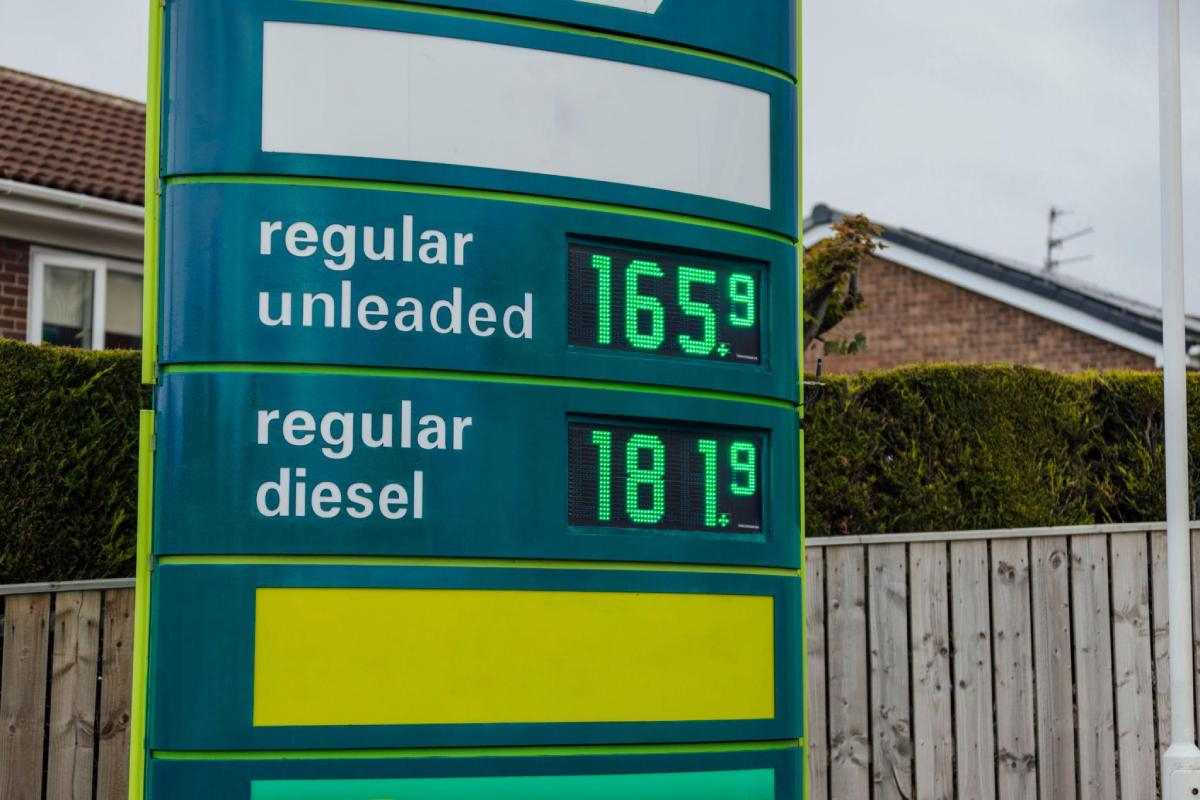
Fuel prices may rise and fall with global markets, but the UK’s exposure to those swings is a political choice as much as an economic reality. Britain still has significant oil and gas reserves in the North Sea, yet current policy is focused on limiting new exploration rather than using those resources to strengthen domestic energy security. That approach leaves drivers and businesses vulnerable to events far beyond the country’s control.
Ed Miliband’s strategy has prioritised the transition to renewable energy, which is both necessary and inevitable over the long term. However, the pace and balance of that transition are now being questioned. Reducing reliance on fossil fuels is a clear goal, but cutting back domestic production faster than demand declines risks increasing dependence on imports. In practice, that can mean higher costs, greater volatility, and less control over pricing at the pumps.
Why the North Sea still matters
The argument that more North Sea drilling would not affect UK fuel prices is often repeated, but it does not tell the full story. Oil is traded globally, and prices are set internationally, yet domestic production still plays an important role in stability and resilience. Producing more at home reduces exposure to supply disruptions, supports jobs and infrastructure, and keeps more economic value within the UK. It also reduces reliance on imports from regions with lower environmental and regulatory standards.
The shift to electric vehicles and cleaner energy is underway, but it is far from complete. Millions of drivers still rely on petrol and diesel cars, and that will remain the case for years to come. Policy that assumes a rapid move away from fossil fuels risks overlooking the reality facing households and businesses today. Without sufficient domestic supply, the UK remains tied to global markets at a time when stability is needed most.
What a more balanced approach could look like
A more balanced strategy would not abandon climate goals, but it would recognise the role of the North Sea during the transition. Continued investment in existing fields, support for new projects where viable, and a stable regulatory environment would help protect supply. At the same time, using revenues from domestic production to invest in renewable energy would support long-term progress without increasing short-term pressure on drivers.
The UK cannot fully control global oil prices, but it can reduce how exposed it is to them. Strengthening domestic supply, maintaining fair taxation, and improving transparency in fuel pricing would all help create a more stable system. These are practical steps that could give drivers more confidence and reduce the impact of sudden price increases.
The UK cannot remove itself from global energy markets, but it can decide how much influence those markets have. Scaling back domestic production while demand remains high increases reliance on external supply and reduces control. Making better use of the North Sea would not solve everything, but it would strengthen the UK’s position at a time when resilience matters most.
The challenge is not whether to move towards cleaner energy, but how to manage that transition without leaving drivers exposed. Right now, that balance is under pressure, and the consequences are being felt every time people fill up their cars.
We'd love to hear your thoughts in the comment box