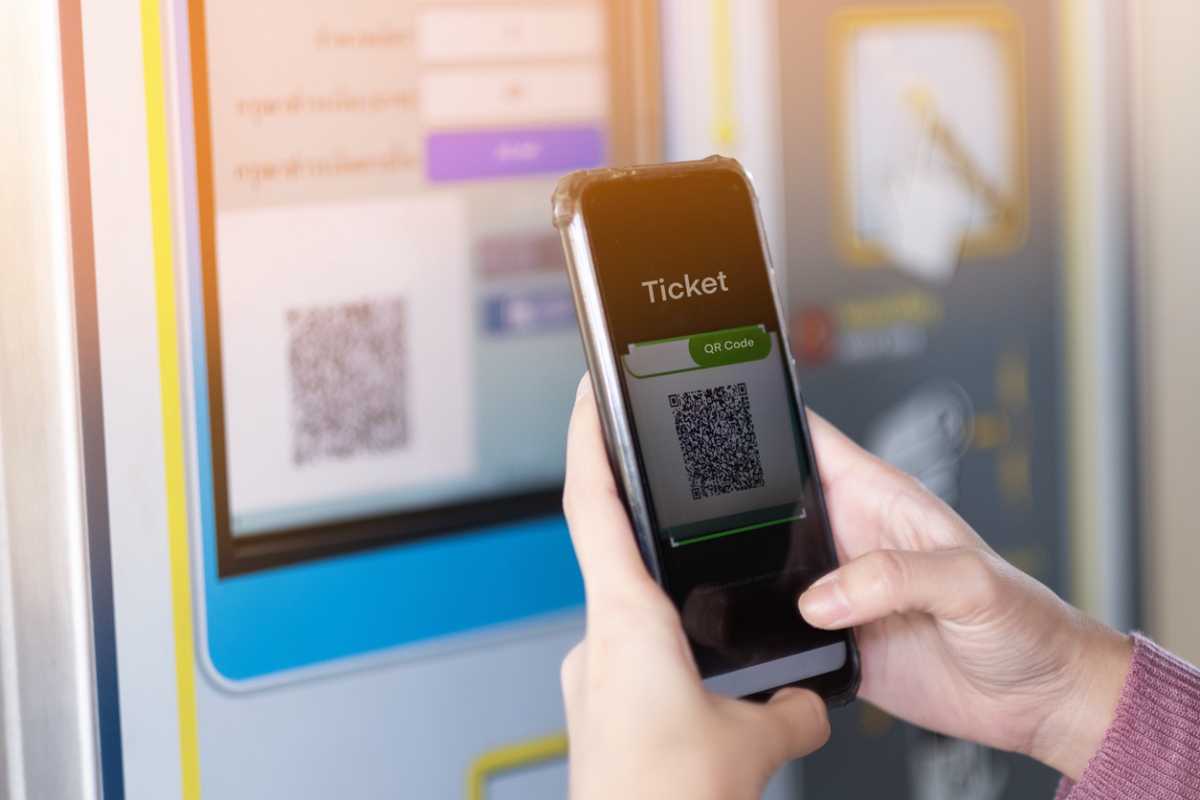
TL;DR: Parking scams involving fake QR codes are rising fast. Fraudsters place counterfeit codes over real ones, redirecting drivers to fake payment websites. Victims risk losing money and still being fined for not paying for parking.
How the scam works
QR codes have become a quick, convenient way to pay for parking. Instead of queuing at a machine, drivers simply scan and go.
But that convenience is exactly what scammers are targeting.
By placing fake QR code stickers over legitimate ones, fraudsters redirect users to convincing websites designed to capture card details. Most drivers don’t think twice, and that’s where the problem starts. These fake pages often look authentic enough to pass at a glance, especially if you’re in a rush or unfamiliar with the area.
A rapidly growing problem
The scale of the issue has escalated quickly.
- 2022: 9 reported cases, £322 lost
- 2024: 133 reported cases, £29,682 lost
These figures, obtained via a Freedom of Information request, only scratch the surface. Many smaller incidents go unreported, meaning the true cost is likely far higher.
The hidden cost for drivers
What makes this scam particularly frustrating is the potential for a double hit.
Drivers may not only lose money through the fraudulent site, but could also receive a parking fine for failing to complete a legitimate payment. It’s a costly mistake that can happen in seconds.
Real incidents across the UK
This isn’t isolated - cases have been reported across the country, from city centres to station car parks.
In Derby, fake QR codes were discovered in a privately owned car park, while councils in London issued urgent warnings after similar scams appeared on parking machines. In one extreme case, a woman lost £13,000 after scanning a code at a station car park, with criminals using her details to build up debt in her name.
Even smaller incidents are common. One driver in Leicester lost £80 after being redirected to a fake site that appeared completely genuine at the time.
Why it’s so effective
The success of these scams comes down to habit.
Drivers are now used to scanning QR codes for everything - parking, menus, tickets - so there’s an element of trust built in. Criminals take advantage of that, especially in busy or low-light environments where people are less likely to stop and inspect what they’re scanning.
What to look out for
Spotting a fake QR code isn’t always easy, but there are a few warning signs:
- Stickers that look newly placed, misaligned, or layered over another code
- Peeling edges or different print quality
- Codes placed in unusual positions on the machine or sign
- If anything looks off, it’s best to avoid scanning altogether.
Safer ways to pay
Instead of relying on QR codes, drivers are better off using trusted alternatives. Most councils and operators offer official apps, which remove the risk of being redirected to a fake site.
Apps like RingGo or PayByPhone allow you to enter a location code manually, giving you more control over the process. Where possible, using a physical payment machine is still one of the safest options.
Always check before you enter details
If you do scan a QR code, take a moment before entering any information.
Make sure the website looks legitimate, check for “https” in the URL, and watch out for poor design or spelling mistakes. If something doesn’t feel right, close the page and go directly to the official website instead.
Entering card details into an unverified site is where the real risk lies, so it’s worth slowing down at this stage.
Stay one step ahead
Keeping an eye on your bank account is just as important as avoiding the scam in the first place.
- Regularly check for unusual transactions
- Report anything suspicious immediately
- Contact your bank if you think your details have been compromised
QR code scams are evolving alongside parking technology, but a bit of awareness goes a long way. Taking a few extra seconds before you scan could save you far more in the long run.