TL;DR Preston’s Corporation Street bus gate has become the UK’s most lucrative traffic enforcement zone, issuing over 47,000 fines a year and generating more than £1.5 million annually. Introduced in 2024 to improve bus reliability, the scheme has sparked backlash from drivers and local businesses who say unclear signage is catching motorists out and turning the area into a “cash cow” for the council.
A short stretch of road in Preston has become the highest-earning bus lane enforcement site in Britain, pulling in around £4,200 a day from drivers.
The bus gate on Corporation Street, introduced in May 2024, has issued 47,176 penalty charge notices (PCNs) in a year - around 13,000 more than any other location in the UK. That equates to £1,545,816 in annual revenue, significantly ahead of the next highest site and more than double the third.
The restriction applies to a 96-metre section of road where only authorised buses, taxis and cyclists are permitted. Any unauthorised vehicle entering the zone faces a £35 fine, rising to £105 if not paid within 21 days.
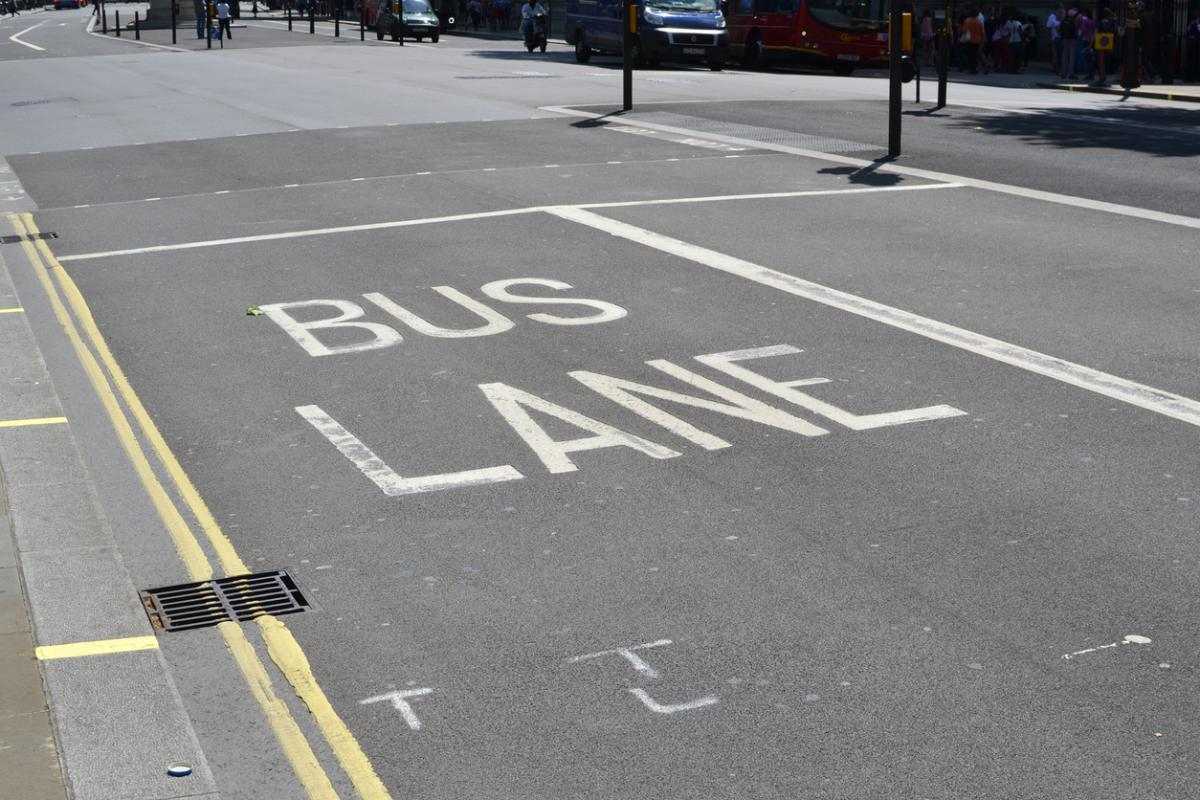
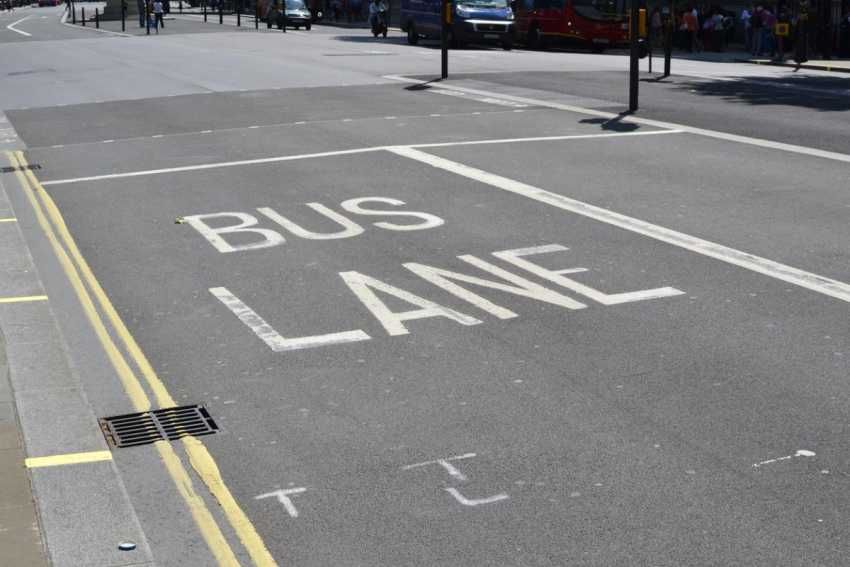
Despite signage and road markings, thousands of motorists are still being caught out. Some drivers say the warnings - small circular signs and red surface markings - are easy to miss, especially for those unfamiliar with the area.
Unlike standard bus lanes, which often allow cars at certain times, bus gates typically operate 24 hours a day. On Corporation Street, enforcement is handled by two cameras positioned at either end of the restricted zone.
The volume of fines has led to criticism from local residents and businesses. Some describe the scheme as a “cash cow,” arguing that drivers are being penalised without clear enough warnings.
Local resident Keith Brierley, 83, said many drivers are unaware of the restriction until it’s too late. In one hour alone on a weekday afternoon, seven drivers were fined, generating £490.
Others say the layout of the road contributes to the issue. The street does not visibly narrow or change direction at the start of the restriction, making it difficult for drivers to recognise the bus gate in time. Nearby roads also complicate access, with parallel routes like Friargate being pedestrian-only, forcing drivers into longer detours.
Business owners claim the changes are affecting footfall. Some say customers are avoiding the area altogether, while surrounding streets have seen increased traffic as drivers reroute.
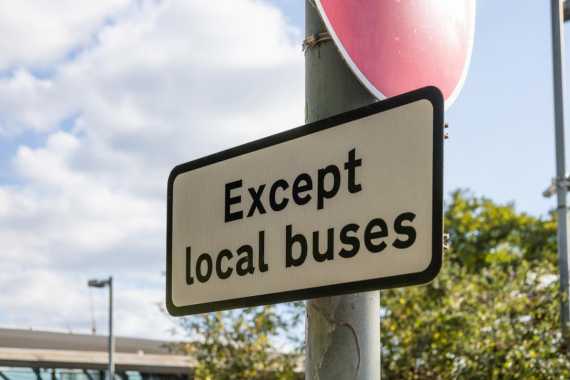
However, Lancashire County Council maintains the scheme is working as intended. The bus gate was introduced to improve journey times and reliability for public transport through a busy part of the city.
The council also states that all revenue raised is reinvested into road maintenance, safety improvements, and wider transport infrastructure.
Drivers were given a five-week adjustment period before enforcement began, but appeals have been relatively low. Of the 109 appeals submitted, only 22 were successful. Nationally, around half of bus lane appeals are rejected.
Across the UK, bus lane enforcement remains a significant source of income for local authorities. Data from 102 councils shows 1.93 million PCNs were issued, generating £49.3 million. Manchester alone accounted for £5.3 million from nearly 128,000 fines.
While some areas, including Suffolk and Hertfordshire, do not enforce bus lane penalties, most councils continue to rely on them both to manage traffic flow and fund local transport improvements.
The debate around Corporation Street highlights a wider issue: balancing effective traffic management with clear communication to drivers—something many feel has not yet been fully achieved.