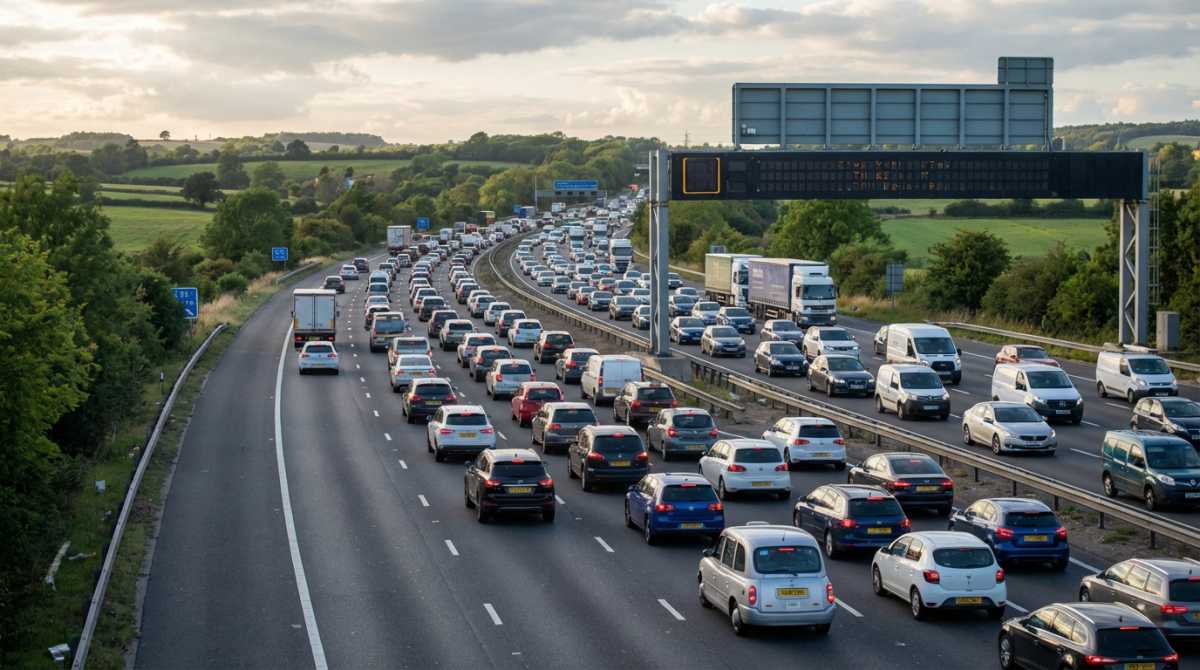
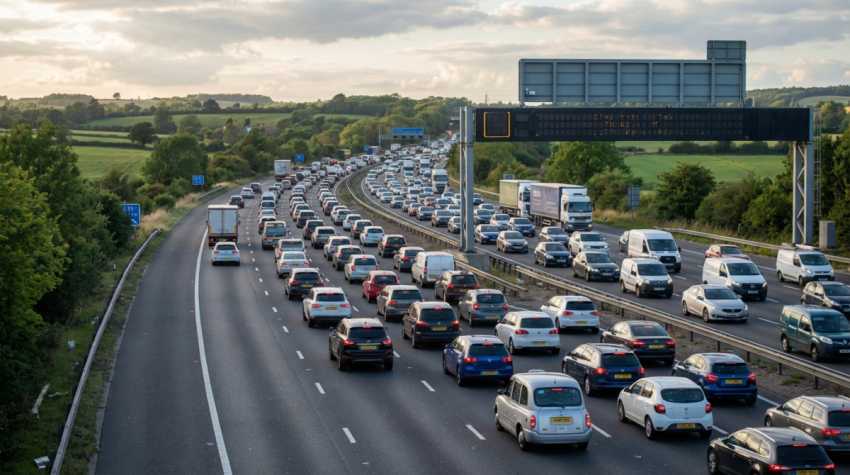
UK roads are busier than ever, with a record 42.5 million vehicles, but the average car is now nearly 10 years old, as drivers hold onto cars longer amid rising costs.
Key Facts
- 42.5 million vehicles are now on UK roads, a new record.
- 9.7 years is the average car age in Britain – the highest ever.
- Ford Fiesta remains the most popular car (1.4 million still in use).
- 1.8 million electric and plug-in hybrids are now on UK roads.
- Automatic cars have surged by 50.1%, signalling a shift away from manuals.
UK car numbers hit a record high
If it feels like UK roads are getting more crowded, you’re not imagining it. The latest SMMT data confirms that the UK vehicle parc has reached a record 42.5 million vehicles.
That’s a 1.4% increase year-on-year, showing a steady recovery in the car market after the disruption of recent years. From busy motorways like the M25 to local high streets, more cars are on the road than ever before.
But there’s a twist…
Britain’s cars are getting older
While the number of vehicles is rising, so is their age. The average car in the UK is now 9.7 years old, the highest since records began.
Why? Simple: drivers are holding onto their cars for longer. With the cost of living still biting, many are delaying upgrades and choosing to make their current car last.
In fact, nearly half of all cars on UK roads are now over 10 years old.
For motorists, that makes regular servicing and MOT prep more important than ever. Older cars can be perfectly reliable, but only if they’re properly maintained.
What is the “vehicle parc”?
You’ll often hear the term “vehicle parc”; it simply means the total number of registered vehicles currently on the road.
According to the latest figures, the UK parc now stands at 42,549,649 vehicles.
That growth reflects improving supply and demand in the new car market, but also highlights just how dependent we remain on our cars.
The UK’s most popular cars
Despite production ending in 2023, the Ford Fiesta still tops the charts as Britain’s most popular car, with around 1.4 million models still in use.
Close behind are familiar favourites like the Vauxhall Corsa and Volkswagen Golf. It’s clear that small, practical hatchbacks still dominate UK roads.
These cars have earned their place thanks to affordability, reliability, and ease of driving – especially in urban areas.
The rise of automatic and electric cars
One of the biggest shifts in recent years is the move away from manual gearboxes. Automatic cars have surged by over 50%, driven largely by the growth of electric vehicles.
Since EVs don’t require traditional gearboxes, every new electric car effectively adds to the automatic total.
There are now around 1.8 million electric and plug-in hybrid vehicles on UK roads. That’s a major step forward for reducing emissions and improving air quality.
Electric buses are also becoming more common, helping to clean up public transport fleets across the country.
A two-speed transition to EVs
While EV adoption is growing, it’s not happening evenly.
Fleet and company car drivers are leading the charge, thanks to incentives and tax benefits. Meanwhile, many private buyers are sticking with older petrol and diesel cars, often due to upfront costs.
The result is a “two-speed” transition, where greener driving is increasing, but not yet accessible to everyone.
What this means for drivers
Whether you’re driving a brand-new EV or a 12-year-old hatchback, one thing is clear: the UK still relies heavily on cars.
For many drivers, the focus right now is making their current vehicle last longer. That means:
- Keeping up with servicing
- Staying on top of MOT requirements
- Fixing issues early before they become costly
With the average car age nearing a decade, looking after your vehicle isn’t just smart, it’s essential.