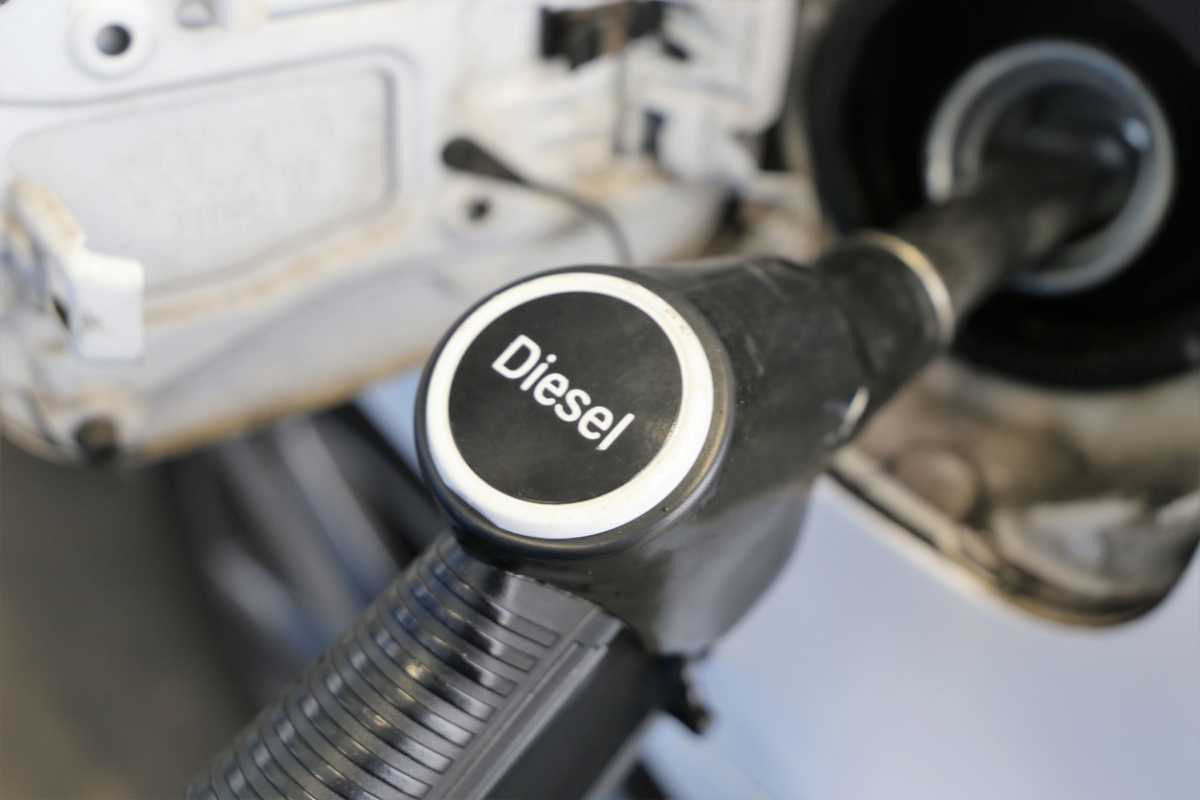
Diesel cars could soon disappear from London’s forecourts. A new report suggests many petrol stations in the capital might stop selling diesel within the next four years - simply because no one’s buying it anymore.
As electric cars take off, diesel demand has nosedived, especially in cities. Thinktank New AutoMotive predicts that by 2035, around 8,400 petrol stations across the UK could drop diesel altogether.
The figures tell the story. In 2025, just over 103,000 new diesel cars were sold - that’s one in 20 new vehicles. A decade earlier, it was 1.28 million, nearly half the market. Fast forward to 2030, and diesel sales are expected to dip so low that keeping it on tap in London just won’t make financial sense. The fuel degrades if it sits unused in storage, which costs station owners money.
Diesel’s downfall started after the Volkswagen emissions scandal blew up ten years ago. Since then, governments, environmental groups and carmakers have all gone all-in on cleaner tech, especially electric.
Right now, about 32% of cars on UK roads are diesel - roughly 11.6 million vehicles. Petrol leads with 60%, while EVs are catching up at 3.7% (around 1.3 million cars). But that mix is changing fast. New AutoMotive thinks there could be just 250,000 diesel cars left by 2035, and London might become the first city to go completely diesel-free.
The 2023 ULEZ expansion sped things up, too. Diesel cars registered before September 2015 now face a £12.50 daily charge to drive in the capital. Unsurprisingly, the report says many London fuel stations will likely ditch diesel long before 2030 - with the same shift spreading across the country in the years after.
Some forecourts are already adapting, trading diesel pumps for high-power EV chargers. The Petrol Retailers Association says only 57% of stations expect petrol or diesel to remain a core part of their business by 2036.
The numbers back that up - last year, just 5.1% of new cars sold were diesels. Petrol took 46.4%, while pure electric hit a record 23.4% and is climbing.
New AutoMotive’s Ben Nelmes says once finding diesel becomes a hassle, most drivers will just make the switch to electric. Charging network InstaVolt adds that it’s not about forcing change - it’s about better tech, smoother commutes and cheaper running costs.
Still, diesel isn’t completely done. The RAC Foundation notes that vans and trucks still rely heavily on it, so it’ll stick around for a while longer. But even if they accept that a tipping point is coming soon, there just won’t be enough diesel vehicles left to keep every pump running.
Diesel’s days in London aren’t over yet, but the end of the road is definitely in sight.