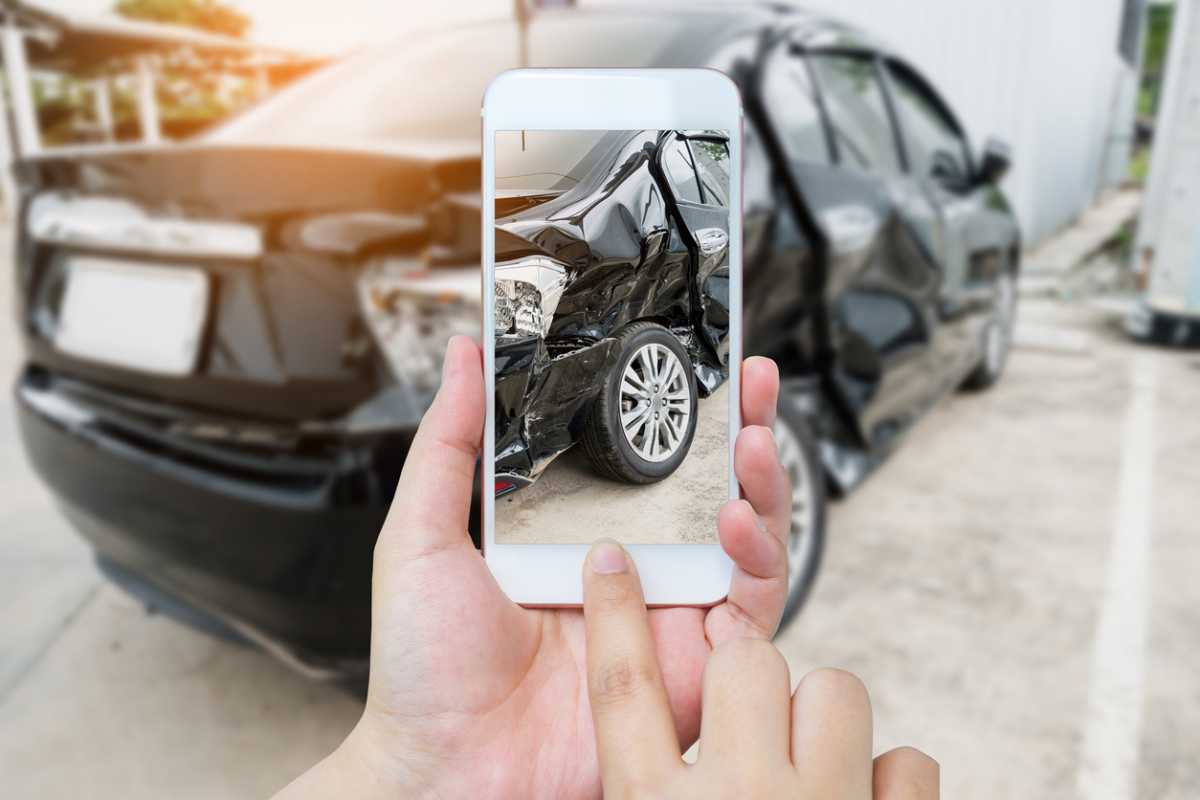
Scammers are increasingly using artificial intelligence (AI) to manipulate photos and videos for car insurance fraud. Allianz, the parent company of Liverpool Victoria (LV=), has reported a 300% rise in such cases across the insurance industry in the past year. They're investing in new technologies to detect these false claims.
Photo editing apps with AI features are more accessible than ever, enabling criminals to doctor images and videos—dubbed 'shallowfakes'—to support fraudulent insurance claims.
For instance, LV= highlighted a case where a van driver submitted an edited photo of their vehicle with supposed damage to the front bumper, along with a £1,000 invoice for repairs. However, investigators found the original, unaltered image on the fraudster's social media profile, proving the deception.
Matt Crabtree, heading Allianz’s Financial Crime Intelligence & Investigation Strategy, explained to AutoExpress that while technology has benefits, fraudsters are exploiting it for illegal activities. He said, “there is some fantastic technology out there, which is making our lives so much better in many ways. However, the sad reality is that fraudsters are using this same technology for their own illegal purposes”.
Allianz and LV= are now collaborating with Clearspeed, an analytics agency, to combat such fraud. Clearspeed's technology can analyse voice patterns to verify the authenticity of claims.
Ultimately, this is an issue that appears to be plaguing the entire industry. Earlier this year, Scott Clayton, the head of fraud at rival insurance firm, Zurich, said companies must “prepare for a rise in deepfake AI fraud”.
“We have seen an increase in people locating total loss vehicles on salvage agents' websites and then implanting a [numberplate] registration number onto that car,” Clayton explained. “There are then claims made for that vehicle and a claims handler assessing this claim would take that at face value, that it is that actual vehicle.”
This surge in fraud comes at a difficult time, as car insurance costs have soared, leaving people to make tough choices between paying premiums or covering essential expenses like food.
Despite these challenges, Crabtree believes that partnerships like the one with Clearspeed will protect honest customers and manage costs. However, data shows that car insurance premiums have jumped by 34% while payouts have only risen by 18% in the last year.
Have you encountered AI-generated deception? Share your experiences in the comments below.