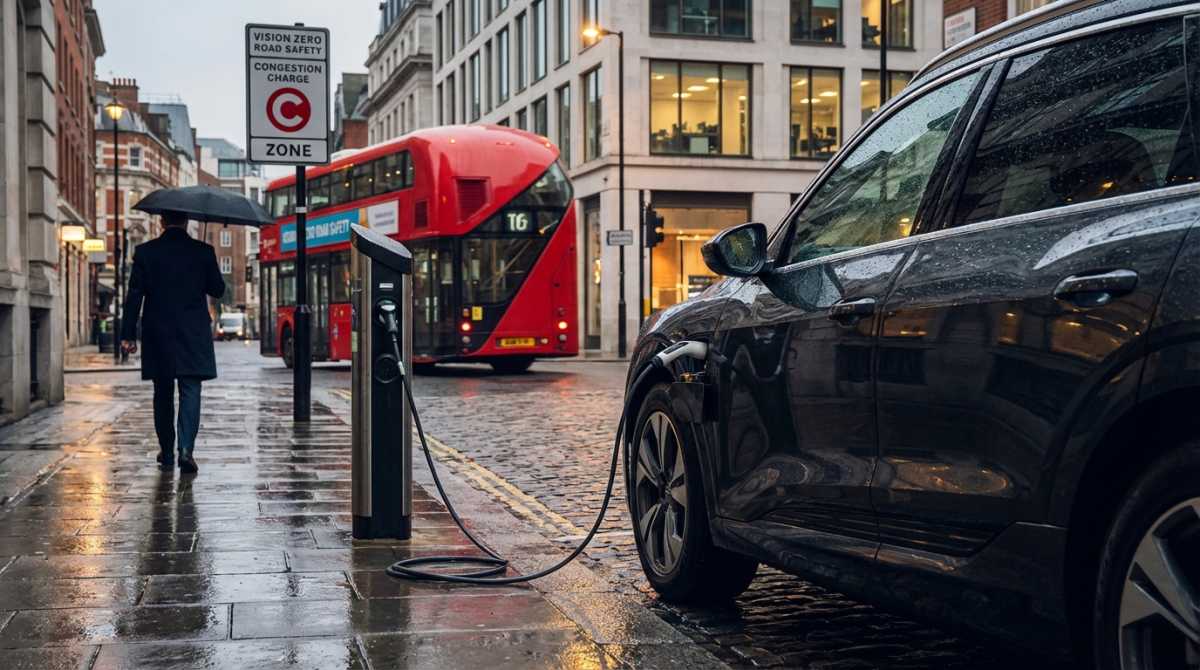
TL;DR: London Mayor Sadiq Khan is actively considering new London SUV charges following a City Hall report highlighting their danger to pedestrians. The latest data reveals that SUVs are a staggering 77% more likely to kill a child in a collision compared to a standard car, prompting a major review of road policies under the TfL road safety strategy.
Key Facts:
- 800,000: The number of SUVs now on London's roads, a ten-fold increase from just 80,000 in 2002.
- 77%: The increased likelihood of an SUV killing a child in a collision compared to a standard saloon car, according to the latest research.
- 2041: The target year for Transport for London's (TfL) Vision Zero action plan to eliminate all road deaths and serious injuries in the city.
- 50%: The proportion of all new cars sold in the UK that are now too wide for a standard on-street parking space.
The Mayor of London, Sadiq Khan, has recently confirmed he is weighing up options for new London SUV charges. This move follows the release of a sobering City Hall report which directly links the rise of larger vehicles with increased danger on the capital's streets, particularly for children.
The data behind this potential Sadiq Khan SUV tax is startling. The explosion in SUV ownership over the last two decades has seen their numbers swell from 80,000 to 800,000. While popular with drivers, these 'urban tanks' are posing a significant challenge to London's infrastructure and safety goals.
This is a core focus of the Vision Zero action plan London has committed to. TfL's ambitious strategy aims to completely eradicate road deaths by 2041, and their analysis has pinpointed larger, heavier vehicles as a major obstacle to achieving this.
UK SUV safety data: What the statistics show
One of the most chilling statistics to emerge from the City Hall report is the direct risk to children. The finding that SUVs are 77% more likely to be fatal for a child in an accident is a terrifying thought for any parent or guardian.
Experts attribute this to vehicle design. The high bonnets and bulky front ends of many SUVs create significant blind spots directly in front of the vehicle, literally hiding a small child from the driver's view. This turns routine urban driving, like the school run, into a higher-risk activity.
It's not just about collisions. The sheer size of these vehicles is causing problems. When recent data shows that half of all new cars are now too wide for a standard UK parking bay, you have to ask if our vehicles have simply outgrown our cities.
Drivers' views: Is this a 'war on motorists'?
Of course, the proposal isn't without its critics. Some argue that 'SUV' is a broad marketing term and that modern vehicles, regardless of size, are built to incredibly strict safety standards. They express concern that new London SUV charges could unfairly penalise families or drivers with mobility issues who genuinely need the space and accessibility these vehicles provide.
It's a valid point, and one the Mayor's office will have to consider. However, the official stance is clear. Sadiq Khan has stated he is not 'anti-car', but 'anti-death', framing the issue as a public health imperative rather than a revenue-raising exercise.
Your options just got better: What this means for London drivers
So, what does this mean for you if you drive an SUV in London or are considering buying one? While no specific dates or prices have been confirmed, the direction of policy is undeniable. Driving a larger, heavier vehicle in the capital is set to become more expensive.
Your options could be affected by higher parking permit fees based on vehicle emissions and weight, or even a specific daily levy similar to the ULEZ. For drivers, this means the convenience of that high driving position may soon come with a significant extra cost and hassle. Your options just got a bit more complicated.
You can check whether your vehicle if ULEZ compliant using Regit's free, online ULEZ checker.
London SUVs charges FAQs
Q: When will the new London SUV charges come into effect?
A: The proposed charges are currently under consideration by Sadiq Khan and Transport for London, with an anticipated implementation date in 2026, though specific timelines may be subject to further review.
Q: Which vehicles will be affected by the London SUV charges?
A: While details are still being finalised, the charges are expected to target larger, heavier 'SUV' type vehicles. The precise criteria, such as weight or emissions standards, are yet to be confirmed and could impact various models.
Q: What is the Vision Zero plan and how does it relate to SUV charges?
A: The Vision Zero plan is Transport for London's strategy to eliminate all deaths and serious injuries from London's transport network. The proposed SUV charges aim to contribute to this goal by addressing perceived safety risks associated with larger vehicles.