TL;DR: Recent AA research involving 12,705 drivers reveals that 46 per cent of UK motorists now feel anxious on smart motorways, a figure that has doubled in the last year. Concerns centre on 'All Lane Running' (ALR) schemes where the hard shoulder is permanently removed, leaving drivers feeling like 'sitting ducks' during breakdowns. While the UK Government cancelled new smart motorway projects in 2023 due to safety fears, existing stretches continue to rely on emergency refuge areas and 'Red X' gantry signals to manage live-lane incidents.
Are you one of the millions of UK drivers feeling on edge? Alarming new data reveal that smart motorway safety concerns are at an all-time high, with driver anxiety more than doubling in just one year. By 2026, a massive shift in how we feel behind the wheel had become impossible to ignore. Almost half of all UK drivers now admit they feel genuinely anxious or stressed when using these controversial routes, leaving many to wonder if the technology is truly making our roads safer.
What's Causing the Surge in Motorway Breakdown Anxiety?
The heart of the issue lies in a recent AA smart motorway survey of over 12,000 motorists, and the results are sobering. A staggering 46 per cent of people reported feeling significant stress on motorways where the hard shoulder has been removed, which is double the figure from only a year ago. One driver went as far as describing the experience of using them as 'terrifying'.
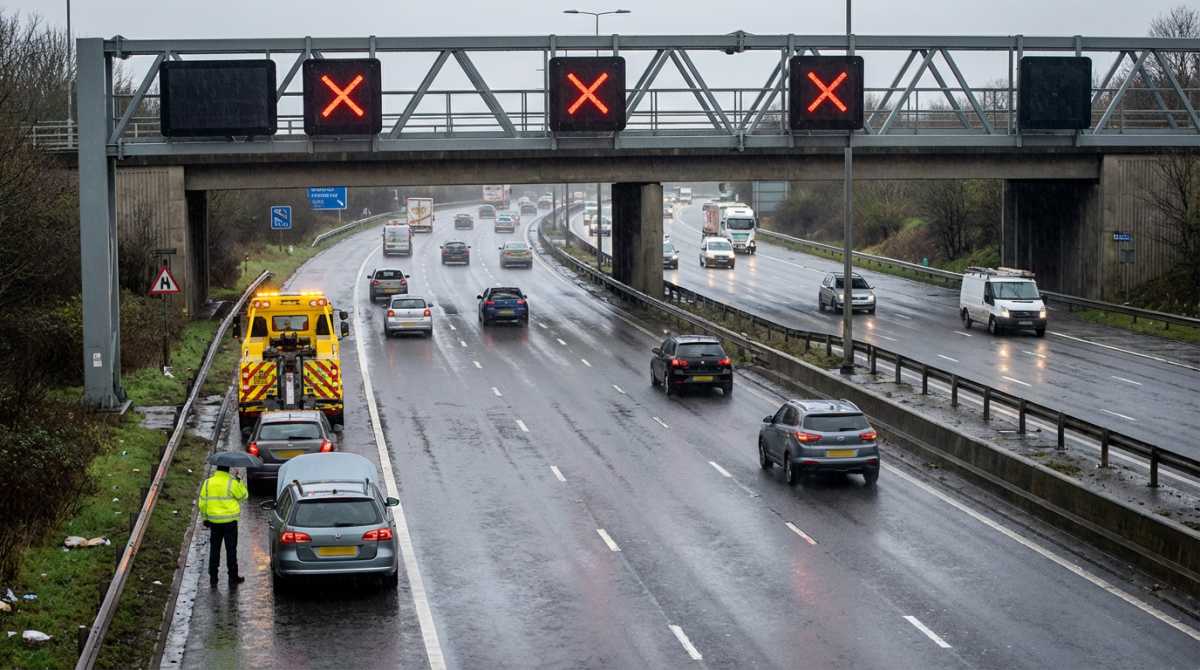
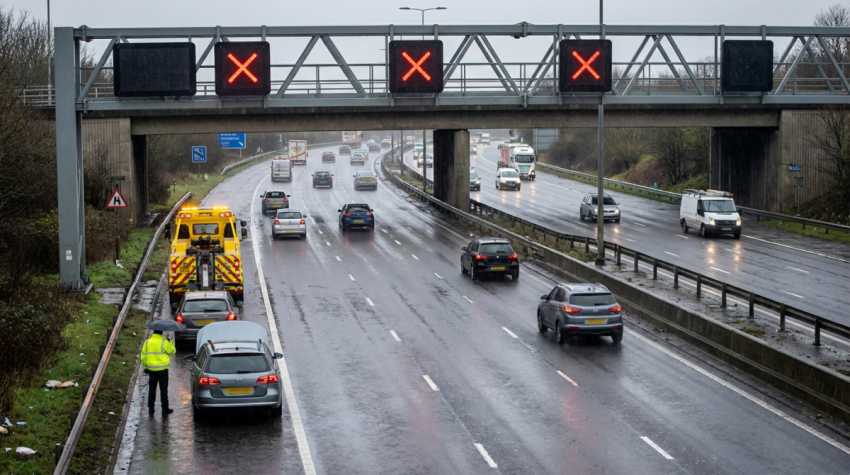
AA president Edmund King didn't mince his words, warning that a breakdown in a live lane turns motorists into vulnerable 'sitting ducks'. This paints a grim picture of the motorway breakdown anxiety gripping the nation. But wait... does the technology designed to manage traffic actually make us safer, or just more stressed?
The Government's U-Turn: Are Smart Motorways Finished?
In April 2023, the government finally hit the brakes. Rishi Sunak's administration pulled the plug on all future smart motorway projects, which included scrapping 11 schemes that were already on hold. This wasn't a random policy change; it was a direct response to the complete collapse of public trust.
While this means no new stretches have been built in over two years, we're still left with around 250 miles of existing all-lane running motorways. These stretches remain the absolute lightning rod for the ongoing UK strategic road network safety debate, and they aren't going away anytime soon.
Know Your Route: The Four Types of UK Motorway Explained
To understand why drivers are so worried, you need to know what you're actually driving on. Our road network is now a mix of four different motorway types.
1. Traditional Motorways: The classic design we all recognise, featuring a permanent, continuous hard shoulder for emergencies.
2. Controlled Motorways: These retain the hard shoulder but use technology to manage traffic flow. Overhead gantries display variable-controlled motorway speed limits to smooth out congestion.
3. All Lane Running (ALR) Motorways: This is where the real controversy begins. The hard shoulder is permanently converted into a live traffic lane to increase capacity. Stranded drivers must try to reach designated emergency refuge areas, which can sometimes be nearly a mile apart.
4. Dynamic Hard Shoulder (DHS) Schemes: A hybrid system where the hard shoulder is only opened as a running lane during busy periods, indicated by signs on overhead gantries. However, this inconsistency can often cause more confusion for drivers.
The Red 'X': Your Most Important Signal in a Breakdown
If you're on a smart motorway, that 'Red X' symbol on the gantry above is your only real lifeline. It’s not a polite suggestion; ignoring it is illegal and incredibly dangerous. When a vehicle stops in a live lane, National Highways operators use a network of cameras to spot the hazard and display the Red 'X' to close the lane. Honestly, it’s the only thing protecting a stranded family or a recovery crew from a devastating high-speed collision.
The Real Impact of Removing the Hard Shoulder
Even with these high-tech sensors and cameras, the data clearly shows the hard shoulder removal impact is weighing heavily on our minds. For instance, anxiety on the hybrid dynamic hard shoulder schemes surged from 30 per cent to 47 per cent in just twelve months.
It seems that for most of us, that simple strip of tarmac at the side of the road offers a peace of mind that no amount of technology can replace. Until this massive 'confidence gap' is fixed, driving across the UK is going to continue feeling like a high-stakes gamble for millions of people.