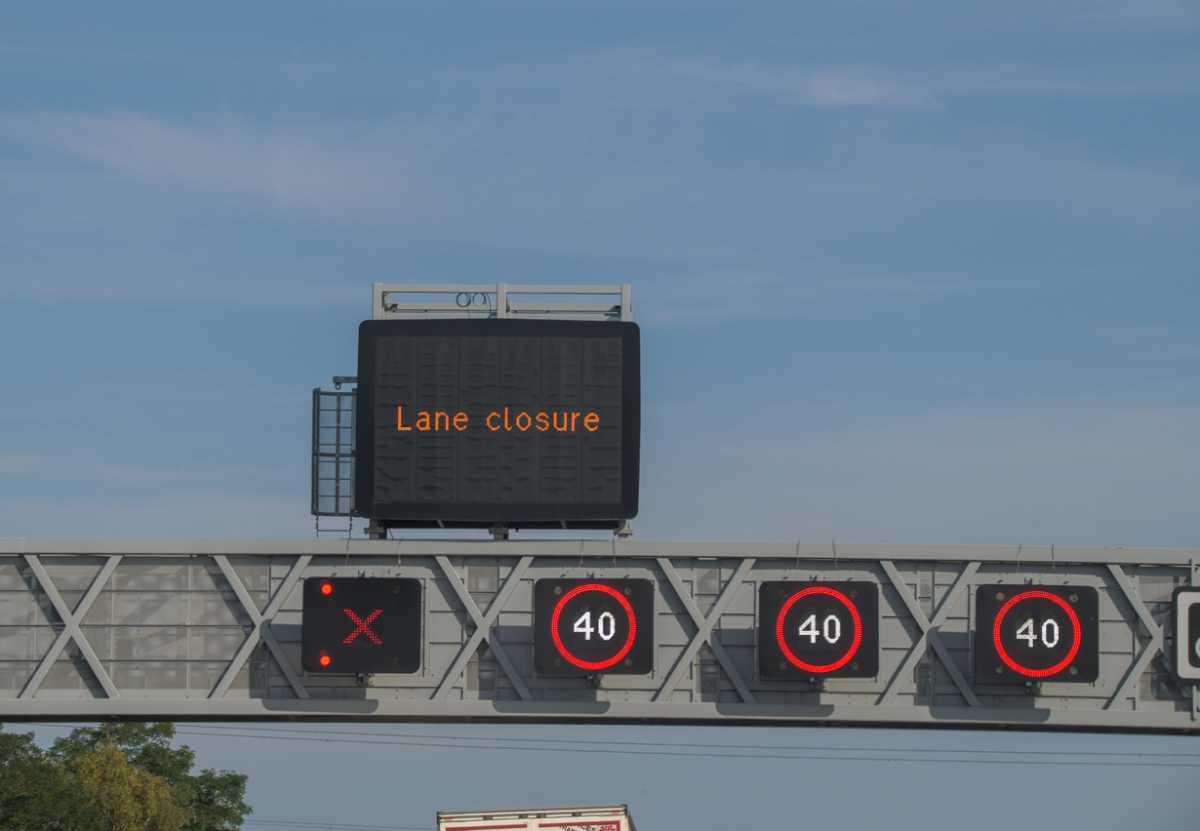
TL;DR: Recent reports reveal that most smart motorway projects in the UK have been a financial and safety failure. With only 3 out of 16 schemes meeting value-for-money targets and some stretches seeing a 33% rise in serious accidents, the government cancelled all future projects.
Key Facts
- 13 out of 16 smart motorway projects failed to meet their original value-for-money targets, according to official National Highways POPE reports.
- A 33% increase in serious incidents was recorded on the M3 smart motorway between junctions 2 and 4a after its conversion.
- In 2023, the UK government officially cancelled all future smart motorway construction plans following widespread public and political pressure.
- The AA has publicly called for a return to traditional road widening, demanding the hard shoulder be reinstated on all major routes for safety.
The numbers are finally in, and they paint a grim picture for anyone who uses Britain's roads. It turns out the controversial smart motorway experiment has been a colossal failure on almost every level.
We were promised a cheaper, more efficient solution to our traffic woes, but new data reveals that the vast majority of these schemes have failed to deliver on their financial promises, raising serious questions about their safety and overall purpose.
So, what exactly went wrong?
A billion-pound blunder
The core issue comes down to smart motorway cost-effectiveness, or rather, the lack of it. A series of Post Opening Project Evaluations (POPE reports) from National Highways have shown that only three out of sixteen completed projects actually met their value-for-money targets. That’s a staggering failure rate. These roads were sold to the public and to taxpayers as a bargain solution to increasing road capacity without the eye-watering expense of traditional widening.
But the costs didn't stay low for long. The initial budget for many projects spiralled out of control due to constant tech glitches and the urgent need to retrofit emergency refuge areas after the initial designs proved inadequate. When you compare the final bill to old-school widening (where you actually keep the hard shoulder), the 'smart' option starts to look incredibly dim.
Safety under the spotlight
Beyond the financial black hole, the bigger debate has always been about safety. Are they actually safer? National Highways often points to overall statistics, but for drivers, the reality feels very different. The policy of hard shoulder conversion UK-wide has created a specific, terrifying danger: breaking down in a live lane with traffic hurtling towards you at 70mph.
Now, we have concrete data to back up those fears. The M3 smart motorway accident statistics are particularly damning. On the stretch of the M3 in Surrey and Hampshire between junctions 2 and 4a, the number of serious incidents didn't just stay the same—it shot up by a shocking 33%. A one-third increase in deaths and serious injuries completely contradicts the original safety pitch we were all given.
These all-lane running safety concerns are precisely why public trust has evaporated.
Experts and drivers have had enough
It’s no surprise that the government finally pulled the plug on all future smart motorway projects back in 2023 after a massive public and media backlash. The frustration is palpable.
AA president Edmund King didn't mince his words, suggesting the delayed release of these damning POPE reports felt like a classic case of trying to "bury bad news". He, along with countless drivers, sees the schemes as a monumental waste of time and money. Rather than easing congestion, some sections have actually made traffic flow worse, which is the last thing the UK economy needs.
For most of us, these failures feel even more insulting when we're facing future road tax hikes. It makes you ask, where is our money actually going? The AA is now leading the charge, pushing for a complete return to traditional road widening as the only sensible way forward. They want the hard shoulder back on every motorway, and frankly, it's hard to find a driver who would disagree.