TL;DR: London's traffic speeds are hitting record lows as Transport for London (TfL) admits that Low Traffic Neighbourhoods (LTNs) have contributed to increased urban congestion. While the 2041 Transport Strategy aims for an 80% shift to sustainable travel, the reallocation of road space has slowed bus speeds and increased idling. TfL maintains these schemes are essential for long-term safety and environmental goals despite the immediate impact on vehicle flow.
Transport for London (TfL) has finally said out loud what anyone stuck on the A2212 already knew: the push to get us out of our cars is actually making the traffic worse in some spots. It's a bit of a mess, really. While the goal is a greener city, the reality on the ground is a lot of idling engines and frustrated commuters.
The 2041 Vision: London Road Space Reallocation
At the heart of this is the TfL environmental agenda 2041. It’s an ambitious plan. The Mayor wants 80% of all trips in London to be made by walking, cycling, or public transport by 2041. To get there, they’ve been aggressively pursuing London road space reallocation—basically taking tarmac away from cars and giving it to bikes and buses.
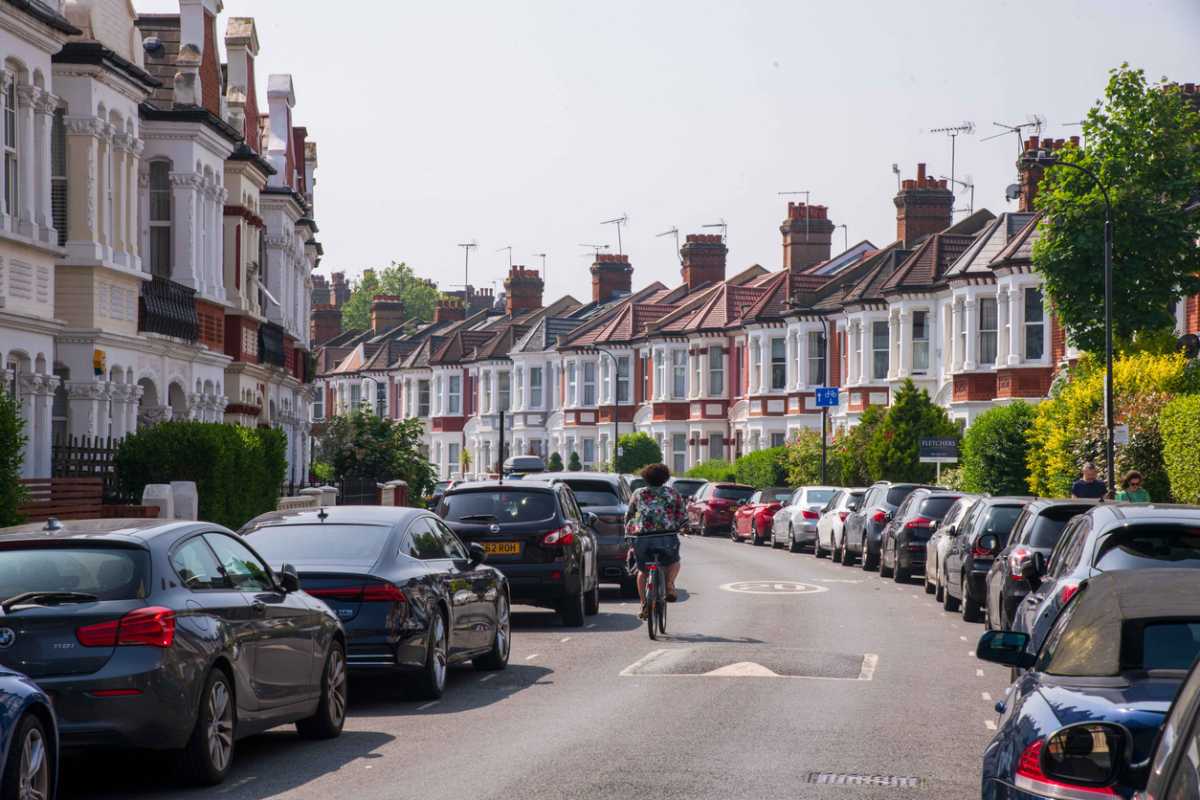
We’ve seen more dedicated bus lanes and, most controversially, the rollout of Low Traffic Neighbourhoods (LTNs). These are those residential pockets where they’ve popped up cameras and bollards to stop 'rat-running'. On paper, it sounds lovely. In practice? It’s complicated.
Why is London traffic getting slower despite LTNs and ULEZ?
It’s the question everyone is asking. If we have the Ultra Low Emission Zone (ULEZ) and a hefty Congestion Charge price increase, why are we moving at a snail's pace?
You can check your vehicle's ULEZ compliance using Regit's free ULEZ checker.
The answer lies in the 'squeezed balloon' effect. When you close off side streets via Low Traffic Neighbourhoods, that traffic doesn't just vanish into thin air—at least not right away. It gets pushed onto main boundary roads. During a recent London Assembly transport committee hearing, TfL chiefs admitted that about 100 LTNs have actually generated extra congestion in certain areas.
This bottlenecking has led to a noticeable London bus speed decline. It’s a bit ironic, isn't it? The very 'sustainable transport alternatives' we’re supposed to use are getting stuck in the traffic created by the schemes meant to help them.
Expert Sentiment: Safety vs. Stagnation
Carl Eddleston, TfL’s director of streets and network operations, isn't backing down, though. He’s defended the schemes, pointing out that most LTNs are 'huge successes' when you look at safety and how many more people are walking. He’s not wrong about the vibe in those specific streets—they are quieter and safer for kids.
But for the tradesman in a van or the bus passenger trying to get to work, the 'active travel benefits' feel like a small consolation when London traffic hits record levels. The Ultra Low Emission Zone effectiveness is great for air quality, but it doesn't do much for flow when the physical space for vehicles has been cut by a third.
What’s Next for London Drivers?
Despite the pushback, TfL is sticking to its guns. They’re reviewing the schemes and looking at community feedback, but the direction of travel is clear. They believe that if they make driving difficult enough, we’ll eventually give up and hop on a bike.
Whether the infrastructure can actually handle that shift, and whether the city can afford the gridlock in the meantime, remains the multi-billion pound question. For now, expect more roadworks, more bollards, and a lot more time to listen to your favourite podcasts while sitting in traffic.