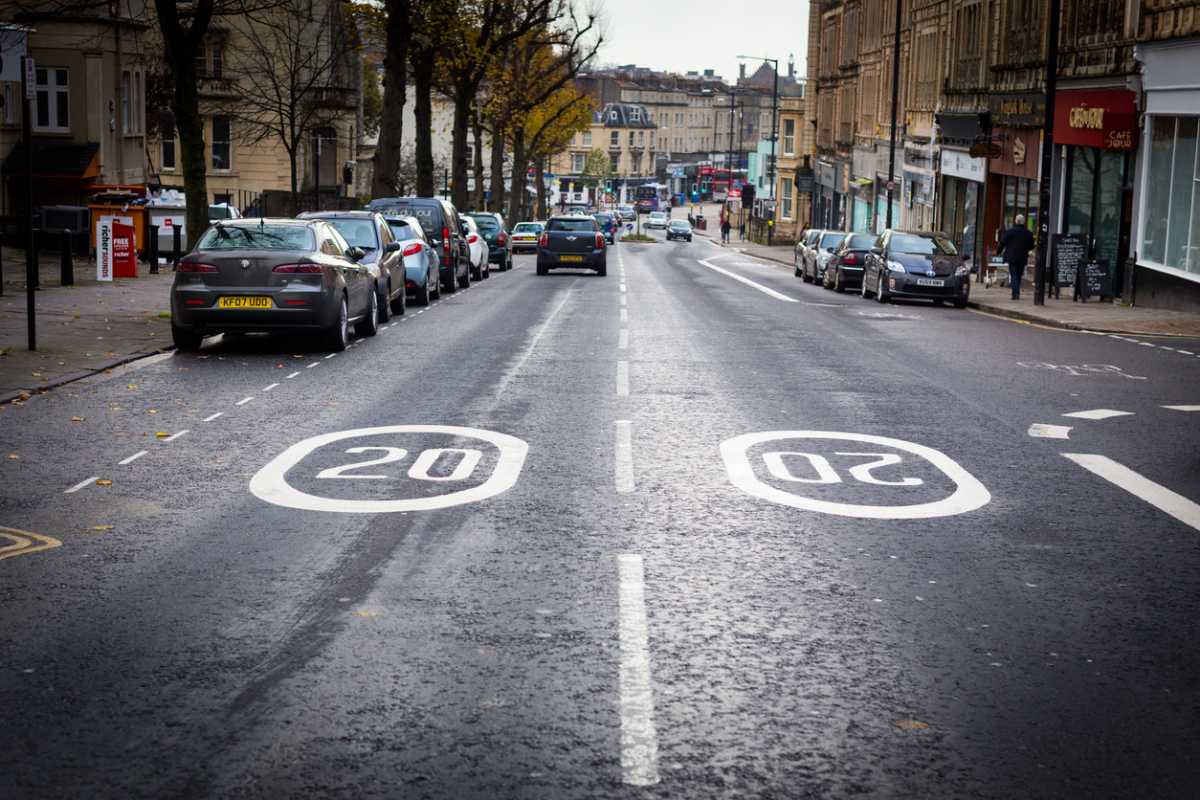
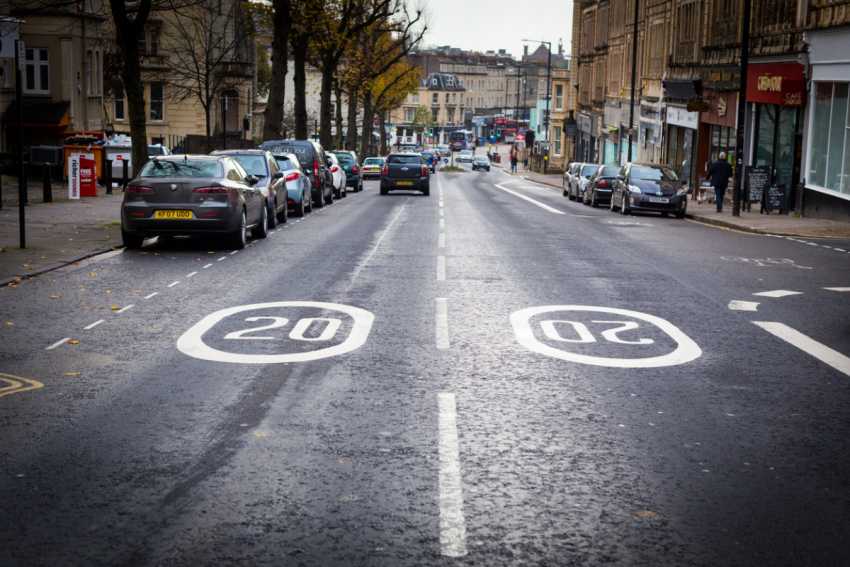
TL;DR: 20mph speed limits now cover over 30% of UK urban roads, with drivers racking up more than 500,000 fines in 2024 alone. Supporters say the move has cut casualties by 26.5% in Wales, but motorists face £100 fines, licence points, and even potential diesel engine damage from all that slow driving.
Key Facts
- 500,000+ speeding fines were issued in 2024 within new and existing 20mph zones across the UK.
- Wales recorded a 26.5% drop in road casualties after introducing a default 20mph limit in 2023.
- £100 is the minimum fine for exceeding 20mph, even by just 1mph, plus three penalty points.
- 12 metres is the stopping distance at 20mph, almost half the 23 metres needed at 30mph.
UK's 20mph speed limits: Half a million drivers caught out
If driving around town feels slower than ever, you’re not imagining it. The rollout of 20mph speed limits across the UK has gathered serious pace, now covering more than a third of all urban roads.
And the impact has been immediate. New figures reveal that over half a million drivers were fined for speeding in these zones in 2024. That’s a pretty big sign that enforcement is being taken seriously and that many drivers are still adjusting.
What this means for UK drivers
For many motorists, these blanket 20mph limits, often introduced under a local Traffic Regulation Order (TRO), can feel more frustrating than helpful, especially on wide, open roads where 20mph feels unnaturally slow.
But here’s the sting: there’s virtually no leeway. Police have confirmed that driving at just 21mph can still land you a speeding notice. It’s classed as a Band A offence, similar to being caught doing 40mph in a 30mph zone.
The penalties add up fast – a £100 fine and three points on your licence. First-time offenders might get the option of a Speed Awareness Course, but that will still cost around £100 and a day of your time.
Do 20mph limits actually make roads safer?
Supporters of the new limit point to one undeniable benefit: fewer road casualties.
In Wales, which adopted a nationwide 20mph limit for built-up areas in 2023, new data shows a 26.5% drop in injuries and fatalities. The safety logic is backed by physics; at 20mph, a car’s stopping distance is just 12 metres, compared with 23 metres at 30mph. In real terms, that extra split-second could save a life.
Why 20mph could be bad news for your diesel
There’s another angle drivers should know about – mechanical wear and tear.
Modern diesel engines are fitted with a diesel particulate filter (DPF) that traps soot and burns it off when the exhaust gets hot enough – a process called regeneration. Constant short trips at 20mph can stop that from happening, leading to clogged filters, warning lights, and expensive repair bills.
If you drive a diesel, it’s smart to take your car for a longer, faster run now and then, for example, on a dual carriageway, to help the system clean itself out. Otherwise, slow speeds could end up costing you much more than a speeding fine.
The hidden risk: ‘speedometer fixation’
There’s also the mental strain some drivers are noticing. Ever catch yourself glued to your speedometer, terrified of nudging past 20mph? That’s what safety experts call speedometer fixation: when drivers focus so hard on staying under the limit that they stop paying full attention to the road ahead.
Ironically, that narrow focus could make streets less safe if it distracts from spotting hazards. It’s a reminder that while 20mph zones are designed to protect lives, they also need to keep drivers calm, alert, and confident behind the wheel.
As the UK’s urban landscape continues to slow down, the debate over safety, practicality and fairness isn’t going anywhere. For now, one thing’s clear... Whether you love or hate the shift, 20mph zones are here to stay, and motorists will need to adjust both their driving habits and their patience.