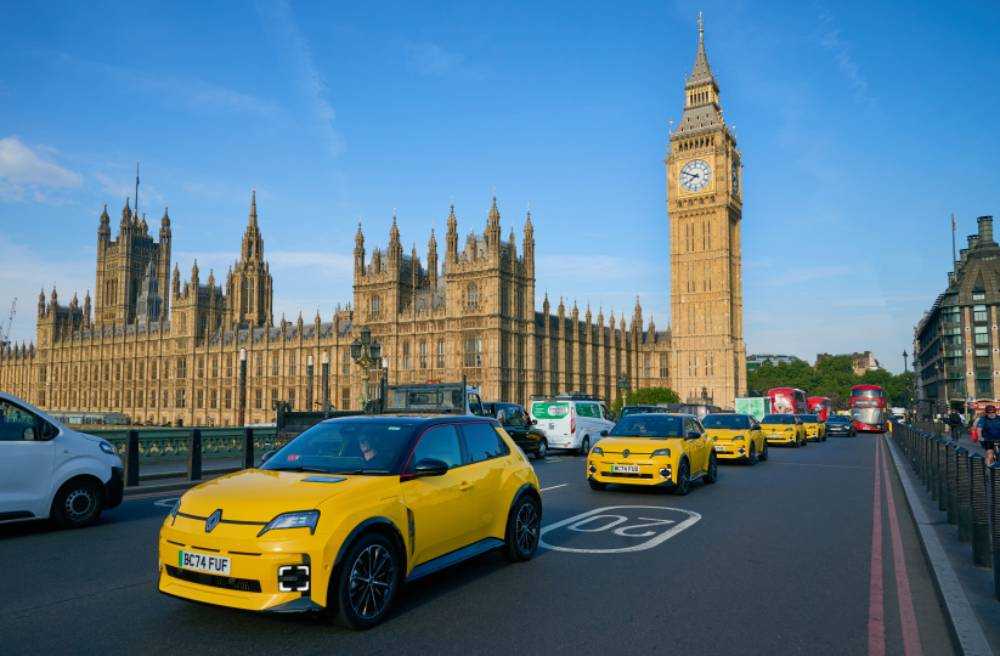
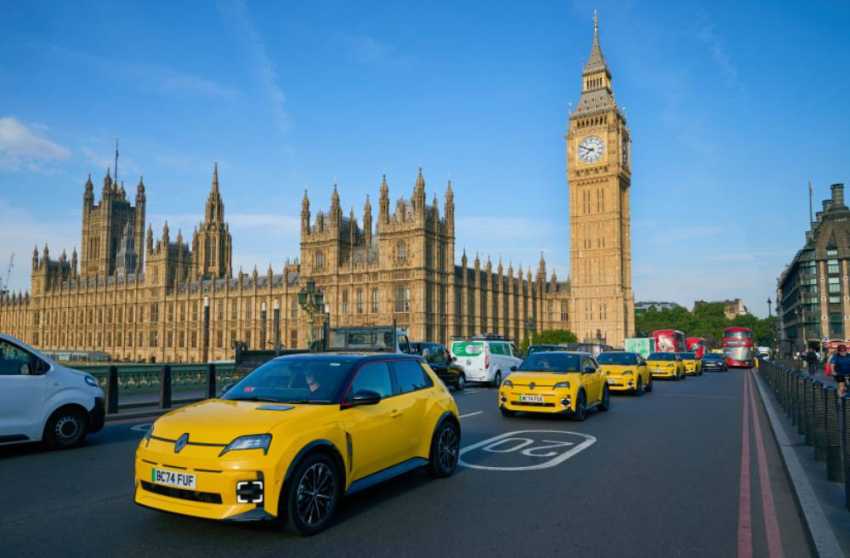
Soulless. Overpriced. Unexciting. These are the words many motorists still use to describe electric cars - especially those who swear they’ll never go electric.
But one EV is changing minds: the Renault 5.
In just nine months since the first electrified versions of the iconic 1970s and ’80s French compact hit UK roads, Britons have been falling for it. Thousands have gone out and bought one.
Unlike most EVs, which are leased or supplied through company schemes to shield drivers from depreciation, most UK Renault 5s are owned outright. Some versions even have a 12-week waiting list.
So, how has Renault shifted the EV landscape and won over drivers who have long resisted going electric?
An Electric Car People Actually Buy
Almost 9,000 Renault 5s have been delivered from Renault’s Douai factory in northern France since last spring. Another 3,000 are on back order, with buyers waiting for fully personalised cars to be built.
These aren’t record-breaking numbers - Tesla’s Model Y topped 24,298 registrations last year - but it’s who is buying the 5 that’s remarkable.
The back orders are mostly private buyers, choosing colour, trim, and options before paying a deposit directly. Fleet and lease customers usually take cars from existing stock to get them faster. Last year, seven in ten EVs in the UK went to fleets and businesses - but the Renault 5 flips that, with over 60% of registrations going to private buyers.
In four of the last nine months, the Renault 5 was the most bought EV by private customers. In October, it was the best-selling electric car outright. While dealers have stock in popular specifications, most buyers prefer bespoke builds—hence the three-month waits for some factory orders.
With the 5 joining a broader Renault electric lineup - including the retro Renault 4, Megane, and Scenic E-Tech - Renault saw electric car sales jump 123% last year, capturing its largest market share in a generation at 2.3%.
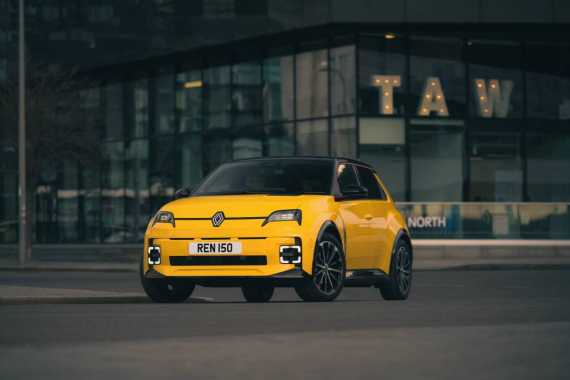
This comes at a critical time: the UK is moving toward banning new petrol and diesel car sales in just four years. Renault has already exceeded the 2025 government EV quota, with 29% of its registrations being electric (the target was 28%). In January, its EV registrations were up 71% year-on-year, while overall EV sales were mostly flat.
Adam Woods, Renault UK’s managing director, says:
“The 5 has broken the mould for EVs. It proves that buyers will switch to electric if the product is right and priced fairly. EVs can be exciting and joyful, and the 5 is opening ownership to more people while driving Renault’s electric success.”
The First EV Britons Actually Want to Own
There have been affordable EVs before, like the Dacia Spring, starting at £14,995. But the Renault 5 is the first affordable EV people genuinely want, even those still sceptical about going electric.
“No other EV has sparked so much conversation or genuine affection,” says Ginny Buckley, founder of Electrifying.com. “It appeals across age and gender. Renault has reinvented an icon without making it a pastiche, and that emotional connection drives its popularity more than range or performance.”
Claire Evans, consumer editor at What Car?, adds:
“The Renault 5 blends retro and modern styling brilliantly. It’s as enjoyable as a decent petrol hatchback - like a Ford Fiesta - for country drives. The interior feels solid and comfortable, with enough range for daily commutes, though European trips highlighted the limits of charging infrastructure.”
Price Parity Makes the Difference
Dan Caesar, CEO of Everything Electric, says Renault has hit the sweet spot on price, appealing to petrolheads and EV enthusiasts alike.
The Renault 5 is arguably the best sub-£30,000 EV, and with the government’s Electric Car Grant, prices drop to around £20,000 - cheaper than many Chinese competitors.
The smaller 40kWh 5 offers 190 miles of claimed range and costs £21,495 with the grant. The larger 52kWh version, providing up to 250 miles (realistically around 210), qualifies for the full £3,750 discount, reducing its price to £23,945. Monthly finance payments are around £200 - accessible for the majority of buyers who rely on finance.
High demand has made negotiating a discount almost impossible, but buyers can be confident the Renault 5 will hold its value better than most EVs. While typical electric cars retain only 42% of their value after three years, the Renault 5 is projected to keep 47% - likely more, given its popularity. By comparison, the Vauxhall Corsa Electric holds just 30%.
Chris Plumb, head of car valuations, explains:
“The Renault 5 hits the right notes: retro styling that doesn’t feel forced, heritage appeal, and an attractive price. It looks great, feels familiar, and doesn’t break the bank.”
A Sign of Things to Come
The success of the Renault 5 bodes well not just for Renault, but also for sister brand Alpine’s A290 and Nissan’s all-electric Micra, which share the same platform. Both are likely to see strong interest as Renault’s EV momentum continues into 2026.