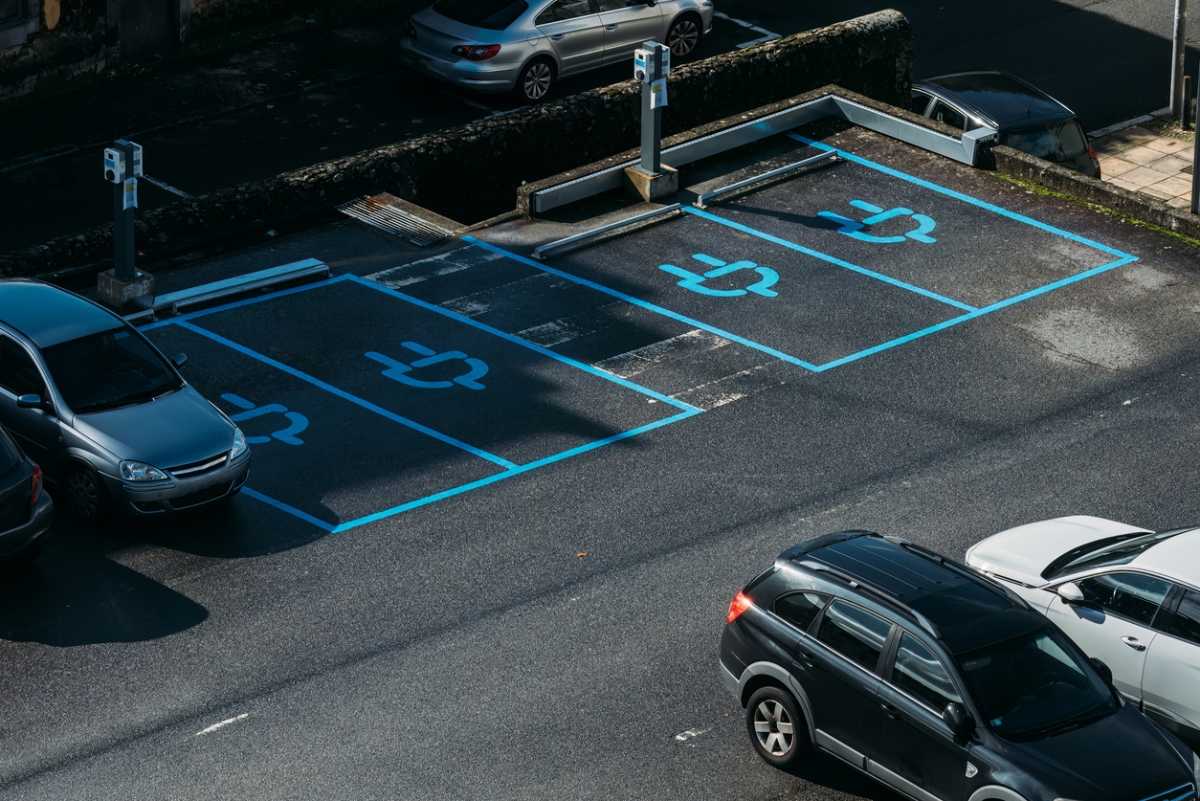
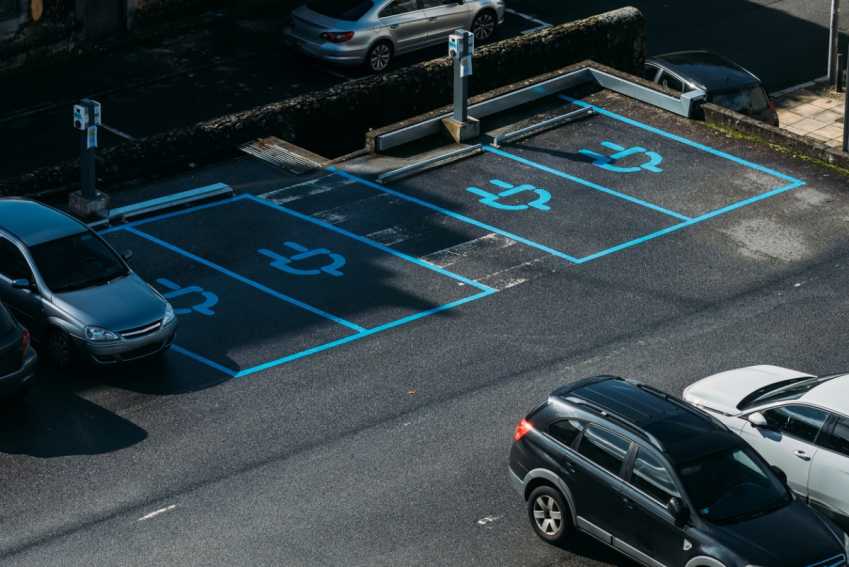
Disabled drivers are continuing to be overlooked in the UK's transition to electric vehicles, with three-quarters of local councils still failing to provide accessible public charging infrastructure.
New research from Vauxhall shows that 75 per cent of councils do not have on-street EV charge points specifically designed for disabled motorists or compliant with recognised accessibility standards, despite significant progress over the past 12 months.
The findings come from a Freedom of Information request sent to councils across Britain. Of the 194 authorities that responded, just 49 said they now provide on-street charge points that either have accessibility adaptations or comply with the British Standards Institution's PAS 1899:2022 accessible charging standard.
That represents an improvement on last year, when only 24 councils reported offering accessible charging facilities, indicating that awareness of the issue is growing.
The number of on-street charge points installed within disabled parking bays has also more than doubled since 2024, increasing from 105 to 245.
Vauxhall estimates that around 15 per cent of on-street chargers are now specifically adapted for disabled users, while a further 14 per cent comply with PAS 1899:2022 guidance.
Although these figures demonstrate encouraging progress, the research suggests accessible public charging remains inconsistent and insufficient to meet growing demand.
More than half of the councils surveyed said their EV charging strategies take the needs of disabled and older residents into account. However, the availability of accessible charging varies dramatically across the country.
London leads by a considerable margin, with 2,131 accessible on-street charge points. In comparison, the North West has just 43, while Scotland has only 14, highlighting significant regional disparities.
Eurig Druce, Managing Director of Vauxhall UK, said: "It's encouraging to see the number of councils providing accessible on-street charging nearly double in the last year.
"This demonstrates growing recognition of the importance of ensuring disabled drivers can access public charging infrastructure.
"However, our latest research shows there is still more work to do.
"Three-quarters of councils still do not provide chargers that are specifically adapted for disabled drivers or conform to recognised accessibility standards.
"As more drivers switch to electric vehicles, we must ensure everyone can easily access public charging infrastructure if the UK's transition to electrification is to be inclusive."
Dundee sets the benchmark for accessible EV charging
One council demonstrating what accessible public charging can look like is Dundee.
The Scottish city has emerged as one of the UK's leading examples of inclusive EV infrastructure after developing its Clepington Road charging hub in line with the British Standards Institution's PAS 1899:2022 accessibility guidance.
The project was designed in partnership with Swarco E.Connect Smart Charging and developed with input from disabled motorists and disability organisations to ensure the site met a wide range of accessibility needs.
The hub features longer charging cables, wider parking bays, level access and an obstacle-free layout without raised plinths or bollards, making it significantly easier for disabled drivers to use independently.
While Dundee demonstrates what is possible, Vauxhall's findings suggest similar standards have yet to be adopted by the majority of councils across Britain, leaving many disabled motorists at risk of being excluded from the country's electric vehicle transition.