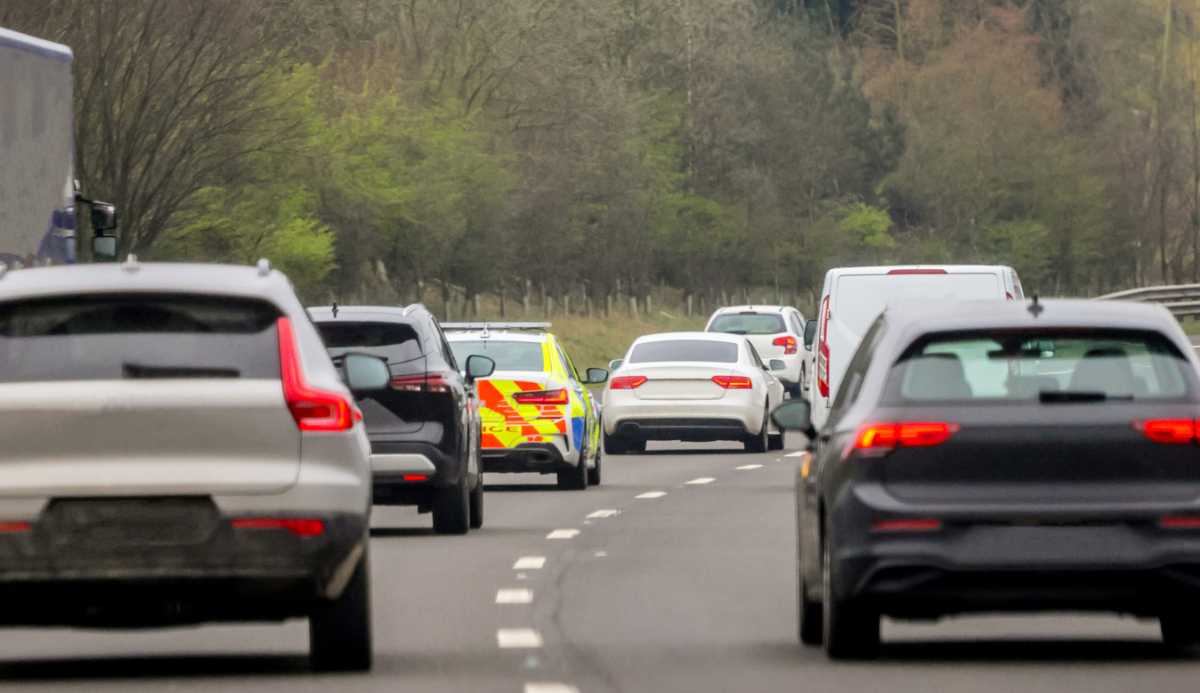
The UK government is gearing up to tighten driving rules, with the big goal of slashing deaths and serious injuries on UK roads by around two‑thirds by 2035. The plan focuses on how people learn to drive, how older drivers are checked, and how tech in cars is used to stop crashes before they happen.
New drivers: longer learning, more limits
Younger and new drivers are a key target because they’re still over‑represented in serious crashes. Proposals include a minimum learning period (roughly three to six months) so learners get experience in different conditions like night, rain and heavy traffic before taking the test. There is also talk of tighter rules just after you pass, based on systems used abroad that have cut young driver collisions by about a third.
Older drivers: eyesight and fitness checks
With more people driving into their 70s and beyond, ministers want mandatory eye tests for drivers over 70 every three years to keep their licences. They are also looking at possible cognitive checks to pick up issues like slower reactions, with the aim of protecting both older drivers and everyone around them.
Drink, drugs and tech in your car
The drink‑drive limit in England and Wales is set to be brought down to match Scotland’s tougher standard, because alcohol is still a major cause of serious collisions. Repeat offenders could face mandatory “alcolocks” that stop the car starting if the driver is over the limit, alongside faster roadside action and more roadside drug testing.
At the same time, more safety tech will be compulsory on new cars, including automatic emergency braking and lane‑keeping systems, to help prevent crashes in the first place.
Extra enforcement and a new safety body
There will be tougher consequences for everyday bad habits: driving without a seatbelt could mean penalty points as well as a fine, and there’ll be a bigger push against uninsured drivers, illegal number plates and cars with no valid MOT. A new Road Safety Investigation Branch will dig into patterns in serious crashes using police and NHS data, then recommend changes to roads, vehicles and rules to stop the same mistakes repeating.